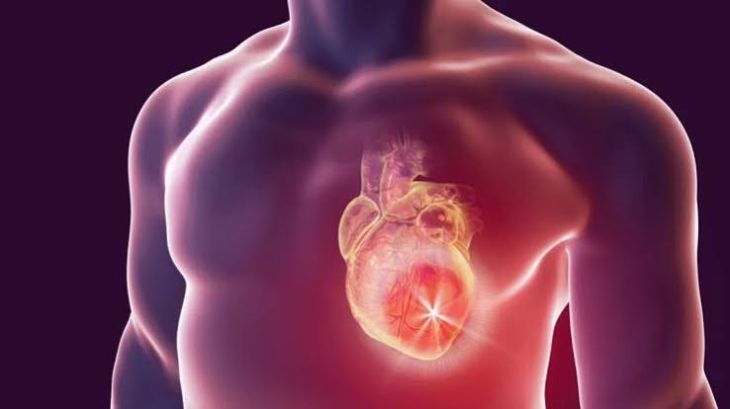
How Inflammation Can Affect Cardiovascular Health?
Inflammation is a natural part of the body's defense system. When you get an injury or infection, your immune system responds by creating inflammation to help protect and repair the affected area. This short-term response is useful and necessary.
What Is Inflammation?
Inflammation is the body's response to injury, infection, or other harmful triggers. It involves the immune system sending cells and chemical signals to the affected area.
There are two general forms of inflammation.
Acute inflammation happens for a short period. For example, swelling after an injury is an acute inflammatory response.
Chronic inflammation lasts for a longer time. It can occur when the body continues to receive signals that activate the immune system.
While acute inflammation is often helpful, chronic inflammation can contribute to damage in different parts of the body, including the blood vessels and heart.
How Does Inflammation Affect the Blood Vessels?
Blood vessels have a thin inner lining called the endothelium. Healthy blood vessels expand and contract properly to help control blood flow.
Long-term inflammation can affect the normal function of this lining. It may make blood vessels more vulnerable to the buildup of fatty substances and other materials.
Can Inflammation Contribute to Heart Disease?
Yes. Chronic inflammation is involved in the development and progression of atherosclerosis.
Plaque inside an artery is not simply a collection of fat. It can also involve immune cells and inflammatory activity.
If a plaque becomes unstable and ruptures, the body may form a blood clot at the site. If the clot blocks blood flow to the heart, it can cause a heart attack.
Can Inflammation Increase Stroke Risk?
Inflammation can also play a role in conditions that increase the risk of stroke.
Atherosclerosis can affect arteries that supply blood to the brain. If plaque narrows an artery or a blood clot blocks blood flow, brain cells may not receive enough oxygen.
This can result in an ischemic stroke.
Inflammation may also contribute to other processes that affect blood vessels and clotting.
What Conditions Can Promote Chronic Inflammation?
Several health conditions and lifestyle factors can contribute to chronic inflammation.
These may include:
-
Obesity
-
Diabetes
-
Smoking
-
Long-term stress
-
Poor sleep
-
Certain autoimmune diseases
-
Chronic infections
-
An unhealthy diet
-
Physical inactivity
Does Obesity Affect Inflammation?
Yes. Excess body fat, particularly around the abdomen, can be associated with chronic inflammation.
Fat tissue is biologically active and can produce substances that influence inflammation and metabolism.
Obesity is also associated with other cardiovascular risk factors, including high blood pressure, abnormal cholesterol levels, and diabetes.
Maintaining a healthy weight through sustainable eating habits and regular physical activity can help support heart health.
Can Diabetes Increase Inflammation?
Diabetes and cardiovascular disease are closely connected. High blood sugar over time can contribute to damage to blood vessels and other tissues.
Diabetes is also associated with inflammatory processes that can contribute to cardiovascular problems.
Keeping blood sugar within the recommended range, taking prescribed medications, staying active, and attending regular medical appointments can help reduce cardiovascular risk.
How Does Smoking Affect Inflammation?
Smoking exposes the body to numerous harmful chemicals and can damage blood vessels.
It can promote inflammation and contribute to the buildup of plaque inside arteries. Smoking is also a major risk factor for heart attack and stroke.
Quitting smoking is one of the most important steps a person can take to improve cardiovascular health.
Can Stress Cause Inflammation?
Long-term stress can affect many systems in the body. Chronic stress may contribute indirectly to inflammation and cardiovascular risk by affecting sleep, blood pressure, physical activity, and eating habits.
Finding healthy ways to manage stress can support overall heart health.
Helpful approaches may include regular exercise, relaxation techniques, spending time with supportive people, and maintaining a consistent sleep schedule.
Can Exercise Help Reduce Inflammation?
Regular physical activity can support cardiovascular health and may help reduce chronic inflammation.
Exercise can also help manage weight, blood pressure, blood sugar, and cholesterol levels.
Adults should aim for regular physical activity appropriate for their health and fitness level. If you have a heart condition or have been inactive for a long time, speak with a healthcare professional before beginning a demanding exercise program.
Can a Healthy Diet Help?
A balanced diet can support heart health and may help reduce factors associated with chronic inflammation.
Try to include:
-
Fruits and vegetables
-
Whole grains
-
Beans and legumes
-
Nuts and seeds
-
Fish and other healthy protein sources
-
Healthy unsaturated fats
How Can You Protect Your Heart?
You cannot eliminate all inflammation from the body, and you should not try to do so. Normal inflammation is an important part of healing and immune function.
Important steps include:
-
Avoiding tobacco
-
Staying physically active
-
Eating a balanced diet
-
Maintaining a healthy weight
-
Getting adequate sleep
-
Managing blood pressure
-
Keeping cholesterol under control
-
Managing diabetes
-
Limiting excessive alcohol consumption
-
Managing long-term stress
FAQs
Is all inflammation harmful to the heart?
No. Short-term inflammation is a normal and useful part of the body's healing and immune response. The concern is mainly chronic inflammation that persists over time.
Can inflammation cause a heart attack?
Inflammation can contribute to the development and instability of atherosclerotic plaques. If a plaque ruptures and a blood clot blocks an artery supplying the heart, a heart attack can occur.
Can exercise help with inflammation?
Regular physical activity can support cardiovascular health and may help reduce factors associated with chronic inflammation. It also helps manage weight, blood pressure, blood sugar, and cholesterol.
Does smoking increase inflammation?
Yes. Smoking can promote inflammation and damage blood vessels, increasing the risk of cardiovascular disease.
Conclusion
Inflammation is an important part of the body's natural defense and healing process. However, chronic inflammation can contribute to changes in the blood vessels and may play a role in cardiovascular disease.
It can contribute to the processes involved in atherosclerosis, which may increase the risk of heart attack and stroke. Conditions such as obesity and diabetes, along with smoking, poor sleep, inactivity, and an unhealthy diet, can also contribute to cardiovascular risk.