How Could Lab-Grown Blood Vessels Treat Vascular Disease?
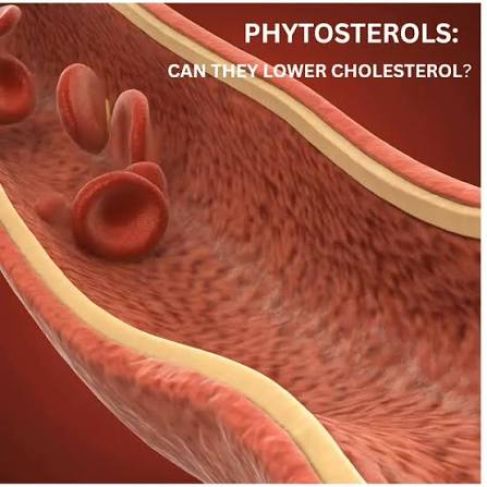
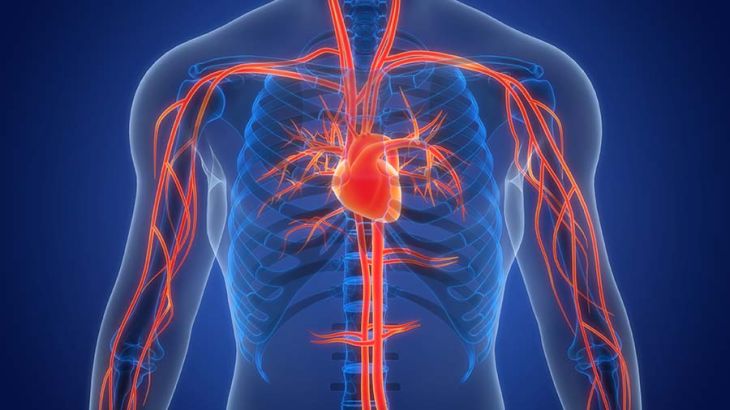
Blood vessels play a vital role in keeping the body healthy. They carry oxygen and nutrients to organs, muscles, and tissues while helping remove waste products. When blood vessels become damaged, blocked, or weakened, they can lead to serious health problems, including heart disease, stroke, and poor circulation.
Scientists are exploring new ways to repair damaged blood vessels, including growing vessel-like structures in laboratories. This research could one day offer new options for people with vascular diseases. Although lab-grown blood vessels are not a routine treatment for every condition, advances in tissue engineering are creating promising possibilities.
What Are Lab-Grown Blood Vessels?
Lab-grown blood vessels are structures created using cells and specially designed materials to imitate the natural blood vessels found in the human body.
Researchers may use living cells, biological materials, or artificial scaffolds to develop these structures. The goal is to create vessels that can carry blood safely and work with the body's existing circulatory system.
Some laboratory-developed vessels are designed for research, while others are being studied for possible use in medical treatments. Scientists are working to make these structures stronger, more flexible, and better able to connect with the patient's natural blood supply.
How Are Blood Vessels Grown in Laboratories?
Creating a functional blood vessel is a complex process. Researchers must reproduce several important features of natural vessels, including their shape, strength, and inner lining.
Using Living Cells
Scientists may grow endothelial cells, which normally form the inner lining of blood vessels. Other cell types can help provide strength and flexibility to the vessel wall.
These cells may come from donated tissue or other carefully selected sources. Researchers are also studying stem cells because they can develop into different cell types under suitable conditions.
Using Special Scaffolds
A scaffold is a structure that gives cells a surface on which to grow. It may be made from biological materials or specially designed substances that can break down over time.
As the cells grow and organize, they may form tissue that resembles parts of a natural blood vessel.
Using 3D Bioprinting
Three-dimensional bioprinting uses specialized equipment to place cells and biological materials in specific patterns. Scientists are investigating whether this technology can create complex vessel networks that supply oxygen and nutrients to engineered tissues.
However, building large, connected networks that function reliably remains a major challenge.
Which Vascular Diseases Could Benefit?
Lab-grown blood vessels could eventually have several medical uses, although many applications remain under investigation.
Peripheral Artery Disease
Peripheral artery disease occurs when narrowed arteries reduce blood flow, often to the legs. This can cause pain while walking, slow-healing wounds, and, in severe cases, tissue damage.
Researchers are investigating engineered vessels that could provide alternative routes for blood flow when natural vessels are severely damaged. However, established treatments such as medicines, exercise programs, and certain surgical procedures remain important options.
Coronary Artery Disease
Coronary artery disease develops when the arteries supplying the heart become narrowed or blocked. Some patients require bypass surgery to create a new route for blood to reach the heart muscle.
Researchers are exploring tissue-engineered blood vessels that could potentially be used as grafts during vascular procedures. Before they can become widely available, these vessels must demonstrate reliable blood flow, strength, and long-term safety.
Vascular Damage From Injury
Serious injuries, surgery, or certain medical conditions can damage blood vessels. In the future, engineered vessels may offer additional options for repairing some types of vascular damage.
Their suitability would depend on the location, size, and function of the damaged vessel.
What Are the Potential Benefits?
Lab-grown blood vessels could offer several advantages if researchers can make them safe and effective.
Better tissue compatibility: Vessels made using a patient's own cells may reduce the risk of certain immune reactions.
New graft options: Engineered vessels could provide alternatives when suitable donor vessels are unavailable.
Improved tissue repair: Functional blood vessels may help deliver oxygen and nutrients to damaged or engineered tissues.
More personalized treatments: Research may eventually allow doctors to select or develop vascular grafts suited to individual patients.
Advances in medical research: Lab-grown vessels can help scientists study blood flow, vessel diseases, and how new medicines affect vascular tissue.
These benefits are potential advantages, not guaranteed outcomes. They depend on the technology used and the results of clinical testing.
What Challenges Must Scientists Overcome?
Growing a blood vessel is only one part of the process. It must also function safely inside the body.
Preventing blood clots: Blood can clot when it comes into contact with an unsuitable vessel surface. Researchers must develop structures that work safely with flowing blood.
Creating strong vessel walls: Vessels must withstand pressure without leaking, tearing, or becoming blocked.
Connecting with natural circulation: The engineered vessel must join the body's existing blood supply and allow blood to flow properly.
Reducing immune reactions: The body may react to cells or materials used to create a vessel. Scientists must find ways to reduce these risks.
Proving long-term safety: Clinical studies are needed to determine how well engineered vessels perform over time and whether they create unexpected complications.
Producing these vessels at a consistent quality and reasonable cost is another important challenge.
What Does the Future Hold?
Research into lab-grown blood vessels is part of the wider field of regenerative medicine. Scientists are combining cell biology, biomaterials, 3D printing, and tissue engineering to develop better ways to repair damaged tissues.
Future advances may improve the treatment of vascular injuries and selected circulatory conditions. Researchers are also studying how engineered blood vessels could help create more realistic laboratory models of human diseases, making it easier to test potential treatments.
However, progress in the laboratory does not automatically mean a treatment is ready for routine medical use. Each approach must undergo careful safety and effectiveness testing before it can be recommended to patients.
FAQs
Are lab-grown blood vessels already used in patients?
Some tissue-engineered vascular products have reached clinical use in specific settings, while many newer approaches remain experimental. Availability depends on the technology and the medical condition being treated.
Can lab-grown blood vessels replace damaged arteries?
Potentially, in selected situations. Researchers are studying engineered vessels for use as grafts, but not every laboratory-grown vessel is suitable for implantation or capable of replacing a natural artery.
Can scientists grow blood vessels using a patient's own cells?
This is an active area of research. Using a patient's own cells may reduce certain immune risks, but creating a fully functional vessel from those cells remains technically challenging.
Will lab-grown blood vessels cure vascular diseases?
They are not a universal cure. If successful, they may provide additional treatment options for certain types of vessel damage or disease, alongside existing medical and surgical treatments.
Conclusion
Lab-grown blood vessels could become an important development in the treatment of vascular diseases. By combining living cells, advanced materials, and tissue engineering, scientists are exploring new ways to repair damaged circulation and create alternatives to some traditional vascular grafts.
Challenges such as blood clotting, vessel strength, immune reactions, and long-term performance still need to be addressed. Although many new approaches remain experimental, continued research may expand treatment options and improve care for people with vascular conditions.