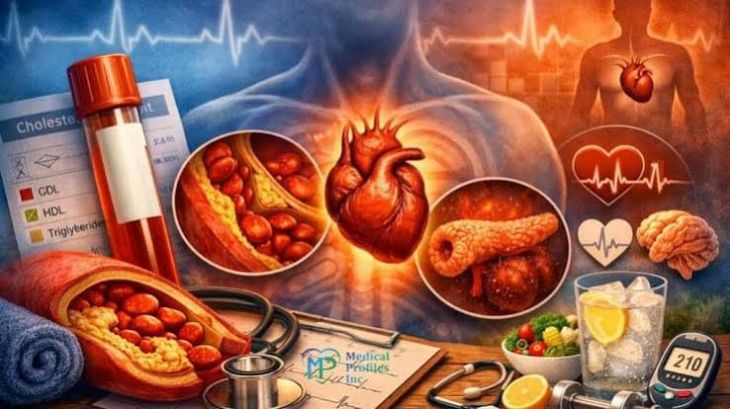
How Can High Triglycerides Affect Heart Health?
Triglycerides are a type of fat found in the blood. Your body needs some triglycerides for energy, but having too many can increase the risk of heart and blood vessel problems.
High triglycerides often do not cause noticeable symptoms, so many people may not know they have them until they receive a blood test. The good news is that lifestyle changes and, when needed, treatment can help lower triglyceride levels and protect heart health.
What Are Triglycerides?
Triglycerides are a type of fat that your body uses for energy. When you eat more calories than your body needs, especially from foods high in sugar and unhealthy fats, the extra energy can be converted into triglycerides and stored as fat.
Some triglycerides in the blood are normal and necessary. The problem occurs when levels remain too high.
A blood test called a lipid panel can measure triglyceride levels along with cholesterol and other blood fats.
What Causes High Triglycerides?
Several factors can contribute to high triglycerides.
Common causes include:
-
Eating too much sugar and refined carbohydrates
-
Being overweight
-
Physical inactivity
-
Drinking too much alcohol
-
Poorly controlled diabetes
-
Certain medical conditions
-
Some medications
-
Genetic factors
Sometimes, several factors work together to raise triglyceride levels.
How Can High Triglycerides Affect the Heart?
High triglycerides are associated with a higher risk of cardiovascular disease.
When triglycerides are elevated, they may occur along with other unhealthy changes in cholesterol levels. For example, a person may have low HDL cholesterol or an increased amount of certain harmful cholesterol particles.
These changes can contribute to the buildup of plaque inside the arteries.
This condition, known as atherosclerosis, can narrow the arteries and reduce blood flow. Over time, it can increase the risk of problems such as heart attack and stroke.
High triglycerides are therefore one part of the overall picture of heart health.
Can High Triglycerides Cause a Heart Attack?
High triglycerides can contribute to cardiovascular risk, but they do not usually cause a heart attack by themselves.
Heart attacks often occur when a blood clot blocks an artery that supplies blood to the heart. The development of plaque in the arteries can increase the chance of this happening.
People with very high triglycerides may also have other conditions, such as diabetes, obesity, or high blood pressure, which can further increase cardiovascular risk.
Can High Triglycerides Cause a Stroke?
High triglyceride levels are associated with cardiovascular disease, which includes conditions that can increase stroke risk.
Plaque buildup can affect arteries that supply blood to the brain. If blood flow becomes blocked, an ischemic stroke can occur.
Managing triglycerides along with blood pressure, cholesterol, blood sugar, and other risk factors can help support overall cardiovascular health.
Do High Triglycerides Cause Symptoms?
Usually, high triglycerides do not cause obvious symptoms.
This is one reason regular health checkups and blood tests can be important. A person may feel completely healthy while having high triglyceride levels.
Very high triglycerides can sometimes contribute to pancreatitis, or inflammation of the pancreas. Severe abdominal pain, nausea, and vomiting can occur with pancreatitis and require medical attention.
How Can You Lower Triglycerides Naturally?
Lifestyle changes can make a meaningful difference for many people.
Eat a Balanced Diet
Try to include more:
-
Vegetables and fruits
-
Whole grains
-
Beans and legumes
-
Nuts and seeds
-
Lean sources of protein
-
Fish and other heart-friendly foods
It can also help to reduce foods and drinks that contain large amounts of added sugar.
Exercise Regularly
Regular physical activity can help lower triglycerides and improve overall heart health.
Walking, cycling, swimming, and other activities that you enjoy can be good options. Start slowly if you have been inactive and increase activity gradually.
Maintain a Healthy Weight
If you are overweight, even modest weight loss may help improve triglyceride levels and other heart-related risk factors.
Focus on sustainable changes rather than very restrictive diets.
Limit Alcohol
Alcohol can significantly increase triglyceride levels in some people. If your triglycerides are high, your healthcare professional may recommend limiting or avoiding alcohol.
Manage Diabetes
High blood sugar can contribute to elevated triglycerides. If you have diabetes, following your treatment plan and keeping blood sugar under control can support healthier triglyceride levels.
FAQs
What are triglycerides?
Triglycerides are a type of fat found in the blood. Your body uses them for energy, but high levels can be associated with increased cardiovascular risk.
Do high triglycerides cause symptoms?
Usually, no. Most people with high triglycerides do not notice any symptoms, which is why blood testing is important.
Can exercise lower triglycerides?
Yes. Regular physical activity can help lower triglycerides and improve overall cardiovascular health.
Can high triglycerides cause heart disease?
High triglycerides are associated with a higher risk of cardiovascular disease, particularly when other risk factors are present.
What foods can help lower triglycerides?
A balanced diet that includes vegetables, fruits, whole grains, legumes, nuts, and lean proteins can support healthier triglyceride levels. Reducing added sugars and highly processed foods may also help.
Conclusion
High triglycerides are a common health concern that can affect cardiovascular health, especially when combined with other risk factors such as high cholesterol, high blood pressure, diabetes, smoking, or obesity.
Because high triglycerides usually do not cause symptoms, a blood test is often needed to identify them.
Eating a balanced diet, exercising regularly, maintaining a healthy weight, limiting alcohol, and managing conditions such as diabetes can help improve triglyceride levels. Some people may also need medication based on their individual risk.