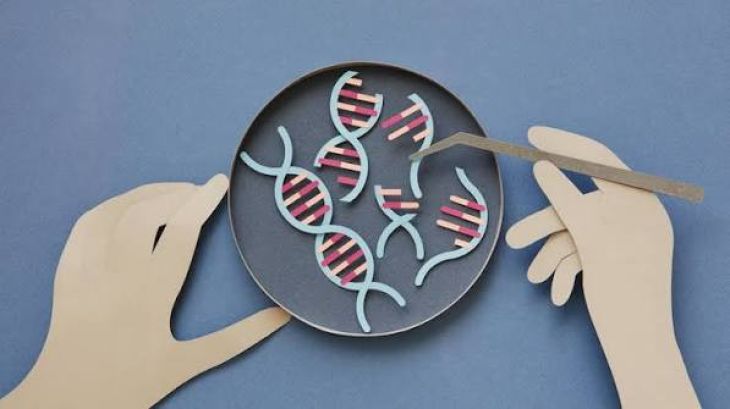
How CRISPR Gene Editing Could Transform Disease Treatment
What if doctors could treat certain diseases by correcting the genetic instructions that cause them?
This idea is at the heart of CRISPR gene editing, a technology that has rapidly changed the field of modern medicine.CRISPR allows scientists to make specific changes to DNA, the genetic material that carries instructions for how cells function.Unlike many traditional treatments that mainly control symptoms or compensate for a biological problem, gene editing aims to address certain diseases at their genetic source.Researchers are studying CRISPR for conditions ranging from inherited blood disorders to some cancers and other serious illnesses.The technology has already moved beyond laboratory research in some areas, with gene-editing treatments reaching clinical use for specific diseases.
What Is CRISPR and How Does Gene Editing
CRISPR is a gene-editing system adapted from a natural defense mechanism found in certain bacteria.
Scientists developed ways to use this system to identify particular DNA sequences and make targeted changes to them.A simplified CRISPR system uses a guide molecule to direct an editing tool toward a selected region of DNA.Once the target is identified, the editing machinery can make a change at that location.Depending on the technology being used, scientists may remove, replace, disable, or otherwise alter genetic information.This precision is important because many diseases are connected to changes in genes.Some genetic disorders occur because a gene contains a harmful mutation that prevents cells from producing a necessary protein correctly.If scientists can safely modify the relevant genetic sequence or change how it functions, they may be able to improve the underlying condition.Modern gene-editing technologies have also expanded beyond the original CRISPR-Cas9 approach.
Which Diseases Could CRISPR Help Treat?
CRISPR has attracted significant attention because it could potentially be used against diseases caused by specific genetic changes. production or function of hemoglobin, the protein that helps red blood cells carry oxygen.Some approved gene-editing treatments work by modifying blood-forming stem cells so that the body can produce more functional forms of hemoglobin.Researchers are also investigating CRISPR-based approaches for certain cancers.Instead of directly correcting a cancer-causing mutation, scientists may edit immune cells so they can recognize or attack cancer cells more effectively.These approaches are still being studied for many cancer types.Other research areas include inherited eye disorders, metabolic diseases, neurological conditions, and certain rare genetic illnesses.Scientists are exploring both treatments that edit cells outside the body and approaches designed to deliver gene-editing tools directly into the body.
What Are the Benefits and Challenges of CRISPR Treatment?
One major advantage of CRISPR is its potential for precision.
Traditional medicines often affect biological pathways throughout the body.Gene editing, by contrast, is designed to act on specific genetic targets.For some inherited conditions, this could mean treating the biological cause rather than repeatedly managing symptoms.In certain cases, a single treatment could potentially produce long-lasting benefits because edited cells may continue functioning after treatment.
However, several challenges remain.
One concern is unintended editing, sometimes called an off-target effect.This happens when the editing system changes DNA at a location other than the intended target.Researchers have developed improved tools and testing methods to reduce this risk, but complete safety remains an important consideration.Another challenge is delivery.Gene-editing components must reach the right cells in sufficient amounts.Delivering these components safely into specific
What Could the Future of CRISPR Medicine Look Like?
The future of CRISPR medicine may involve increasingly precise editing tools and more efficient ways of delivering them to specific cells.
Scientists are working on technologies that could make genetic changes without creating some of the DNA breaks associated with earlier editing methods.Base editing and prime editing are examples of newer approaches under investigation.These technologies are designed to make certain types of genetic changes more precisely.Researchers are also studying delivery systems that could transport editing components to particular tissues.Another potential development is personalized medicine.As genetic testing becomes more sophisticated, doctors may be able to identify the specific mutation responsible for a patient's condition and select a treatment designed around that genetic therapies can become affordable are all important.
There is also a major distinction between editing somatic cells, which affects only the treated person, and editing reproductive or germline cells, which could potentially pass genetic changes to future generations.
Conclusion
CRISPR could transform medicine by enabling precise genetic treatments, but safety, affordability, and long-term evidence remain essential. editing is no longer limited to laboratory experiments and can become part of real-world medical care for certain conditions.At the same time, CRISPR should not be viewed as a universal solution.Every disease presents different biological challenges, and researchers must carefully evaluate whether a genetic target can be safely modified.Potential risks such as unintended genetic changes, delivery difficulties, treatment costs, and uncertain long-term outcomes require continued study.The technology's greatest promise may lie in conditions where conventional treatments are limited and the genetic cause is well understood.