Understanding Takotsubo Cardiomyopathy and Its Warning Signs
The human cardiovascular pump adjusts contractility and beat frequency dynamically to match physical and emotional metabolic shifts. Yet when severe emotional shock or acute bodily trauma strikes, this self-regulatory neural loop can endure an intense surge of endogenous neurochemicals that temporarily impairs myocardial function. This specific clinical entity is recognized as Takotsubo cardiomyopathy, alternatively styled as stress-provoked cardiac stunning or broken heart syndrome. The nomenclature originates from an octopus trapping vessel featuring a rounded base and a constricted neck, mirroring the geometric configuration assumed by the lower left chamber during an active event. Unlike a traditional myocardial infarction driven by plaque rupture and vascular occlusion, this syndrome typically presents in individuals possessing completely patent coronary pathways, manifesting instead as a reversible, hormone-mediated weakening of the muscular walls.
Pathophysiology: Endocrine Surges and Microvascular Spasm
To comprehend how this phenomenon unfolds, one must evaluate the manner in which acute trauma overpowers the cardiovascular apparatus. When an individual suffers a catastrophic loss, severe panic, or an intense physiological shock such as respiratory collapse, major surgery, or sepsis, the central nervous system activates sympathetic pathways and adrenal tissues heavily. This reaction unleashes an extraordinary flood of circulating catecholamines, notably epinephrine and norepinephrine, directly into the vascular network. Although these chemical messengers are vital for immediate survival responses, concentrated quantities induce toxic alterations within myocardial cells. This hormonal excess promotes cellular calcium overload, incites coronary microvascular constriction, and yields localized tissue stunning, heavily affecting the apex where adrenergic receptors are densely populated.
Ventricular Geometry and Apex Motion Abnormalities
The structural consequence of this massive neuroendocrine wave is a profound alteration in left ventricular contraction mechanics. Under ordinary circumstances, the entire ventricular chamber compresses symmetrically inward to drive oxygenated blood into the systemic circulation. During a Takotsubo event, however, high hormone concentrations cause the apex and mid-ventricular walls to become entirely akinetic, halting active movement and bulging outward during systole. Simultaneously, the basal section maintains hypercontractility, squeezing tightly in a compensatory response. This mechanical disparity causes a sharp, temporary reduction in output efficiency, resulting in outflow tract restriction, valve incompetence, and a sudden drop in systemic perfusion that can precipitate acute heart failure or shock states.
Trigger Categories: Psychological Versus Physical Stressors
A defining feature of this syndrome is its close correlation with specific initiating catalysts, traditionally divided into psychological and somatic categories.
-
Psychological Catalysts: Typical emotional triggers involve the sudden demise of a relative, severe domestic conflict, terrifying natural disasters, acute public speaking dread, or intense positive surprises.
-
Somatic Catalysts: Clinical evidence shows that physical triggers frequently outnumber psychological ones. These somatic stressors encompass acute respiratory failure, severe asthma exacerbations, cerebrovascular accidents, intracranial hemorrhages, major surgical operations, extensive thermal burns, and severe systemic infections. In select instances, no explicit trigger is identifiable, leaving clinicians searching for underlying susceptibilities.
Demographic Distribution and Vulnerability Factors
The condition displays distinct demographic tendencies that have long drawn clinical attention. Approximately ninety percent of diagnosed instances occur in postmenopausal females, generally aged fifty to seventy. While the precise biological driver behind this gender divide remains under investigation, experts theorize that the sharp drop in estrogen levels following menopause removes a vital cardioprotective influence. Estrogen plays a critical role in regulating vascular tone, guarding against oxidative stress, and dampening autonomic responses to catecholamines. Consequently, postmenopausal women carry a heightened susceptibility to hormone-driven myocardial stunning when exposed to sudden acute stressors compared to younger cohorts or biological males.
Clinical Presentation and Red Flag Symptoms
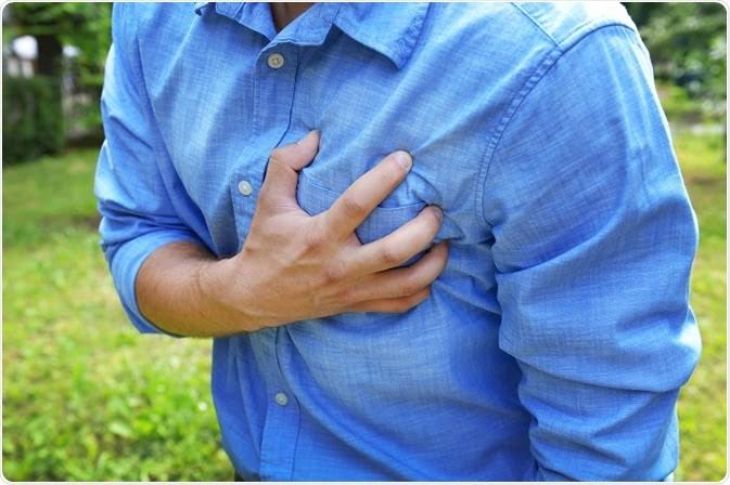
Identifying early indicators of this syndrome is vital because clinical symptoms closely mirror a classic acute myocardial infarction.
-
Primary Sensations: The most frequent initial manifestations are sudden, crushing sub-sternal chest discomfort and severe shortness of breath, often appearing minutes or hours following a stressful occurrence.
-
Secondary Complications: As cardiac output drops, patients may develop alarming secondary signs, including profound fatigue, lightheadedness, cool skin, hypotension, fainting spells, and acute pulmonary congestion due to fluid backing up into the pulmonary tissue. In extreme cases, malignant arrhythmias or shock can emerge rapidly, requiring urgent medical care.
Diagnostic Procedures and Infarction Differentiation
Because clinical signs match a standard heart attack, rapid evaluation upon hospital admission is mandatory.
-
Initial Testing: An initial electrocardiogram frequently reveals ST-segment deviations or deep T-wave inversions, while blood assays show mildly elevated cardiac enzymes like troponin, indicating minor cellular injury.
-
Angiography and Imaging: The decisive turning point occurs during urgent coronary angiography. When cardiologists thread a catheter into the coronary vessels and discover them entirely free of obstructive plaque or clots, yet observe the distinct apical ballooning silhouette on ventriculography, the diagnosis is confirmed. Furthermore, advanced echocardiography and cardiac magnetic resonance imaging verify wall motion abnormalities and confirm the absence of permanent scar tissue.
Acute Care, Prognosis, and Recovery Horizons
Unlike classic coronary syndromes that frequently require permanent interventions for blocked vessels, Takotsubo cardiomyopathy is fundamentally a transient, reversible condition. Management during the acute phase centers on supportive care, hemodynamic stabilization, and monitoring for complications like heart failure or thrombus formation. Standard cardiac medications—such as beta-blockers and ACE inhibitors—are often prescribed to lighten cardiac workload while the tissue heals. Fortunately, for the vast majority of individuals who survive the acute window, left ventricular geometry and performance recover completely within weeks to months, returning the heart to normal baseline function. Nonetheless, long-term care must incorporate stress reduction practices and ongoing medical monitoring, as a small fraction of patients can experience a recurrence.
Conclusion
Takotsubo cardiomyopathy represents a stress-induced, temporary form of heart failure characterized by catecholamine toxicity, apical ventricular ballooning, and clinical symptoms mimicking a classic heart attack. By examining how sudden psychological or physical trauma triggers overwhelming hormone floods, understanding why postmenopausal women face elevated susceptibility, and recognizing the diagnostic value of clean coronary angiograms, the unique nature of this condition becomes clear. Through prompt emergency assessment, supportive hemodynamic management, and long-term stress mitigation, healthcare providers can successfully guide patients through recovery and restore full cardiac vitality.