How Is Cell-Free DNA Testing Being Explored for Monitoring Organ Transplant Health?
Organ transplantation can give people with serious organ failure a chance to live healthier lives. However, receiving a transplanted organ is only one part of the journey. Doctors must continue monitoring the new organ to make sure it is functioning properly and to identify possible complications.
One important concern after transplantation is organ rejection. This happens when the recipient's immune system recognizes the transplanted organ as foreign and attacks it. Early signs of rejection may not always cause noticeable symptoms, making regular monitoring essential.
What Is Cell-Free DNA?
Cell-free DNA, commonly called cfDNA, refers to small pieces of DNA that circulate freely in body fluids, especially blood plasma.
These DNA fragments are released when cells naturally break down or die. They can also enter the bloodstream when tissues are damaged.
After an organ transplant, the recipient's blood may contain small amounts of DNA released by cells from the donor organ. This is known as donor-derived cell-free DNA, or dd-cfDNA.
By measuring this donor-derived DNA, researchers and doctors may gain information about the condition of the transplanted organ.
How Does Cell-Free DNA Testing Work?
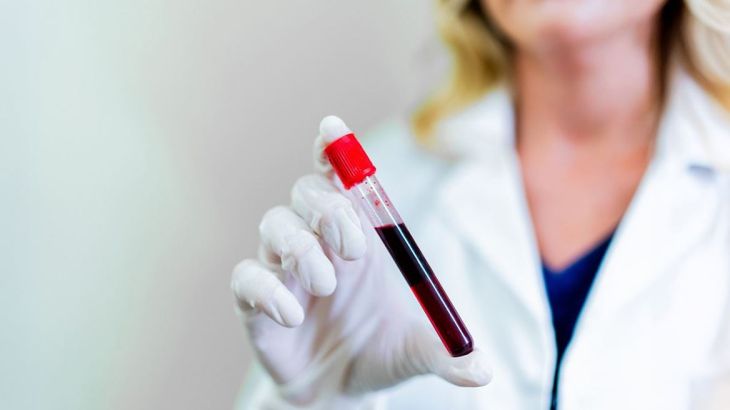
Cell-free DNA testing involves collecting a blood sample and examining the genetic material circulating in it.
The process generally includes several steps.
Collecting a Blood Sample
A healthcare professional collects a blood sample from the transplant recipient. The sample is processed to separate plasma, which contains circulating DNA fragments.
Extracting DNA
Special laboratory methods are used to isolate cell-free DNA from the plasma.
Because donor-derived DNA may represent only a small portion of the total cell-free DNA, sensitive testing methods are needed to identify it.
Identifying Donor-Derived DNA
Laboratories use genetic differences between the donor and recipient to distinguish DNA originating from the transplanted organ.
Some tests examine specific genetic markers, while others use broader sequencing-based approaches.
Measuring DNA Levels
The laboratory estimates the amount or percentage of donor-derived DNA in the sample.
An increase may indicate that cells from the transplanted organ are releasing more DNA into the bloodstream. This can happen when tissue is injured or damaged.
However, increased donor-derived DNA does not automatically mean that organ rejection has occurred.
How Could This Test Help Detect Organ Rejection?
Organ rejection can cause inflammation and damage to the transplanted tissue. When affected cells break down, they may release additional DNA fragments into the bloodstream.
Researchers are studying whether measuring donor-derived cell-free DNA can help identify these changes earlier.
Detecting Possible Tissue Damage
An increase in donor-derived DNA may indicate that the transplanted organ is experiencing cellular injury.
This information could alert doctors to investigate the cause before the patient develops more serious symptoms.
Monitoring Changes Over Time
Doctors can compare test results collected at different times to understand whether donor-derived DNA levels are increasing or decreasing.
Repeated measurements may provide useful information about changes in transplant health.
Identifying Possible Rejection
Certain patterns of donor-derived DNA have been associated with rejection in organ transplant research, particularly kidney transplantation.
However, rejection must be evaluated using other clinical information and tests. In some cases, a tissue biopsy is still needed to confirm the diagnosis.
Which Organ Transplants Can Be Monitored Using Cell-Free DNA?
Researchers are studying donor-derived cell-free DNA testing across several types of organ transplantation.
Kidney Transplants
Kidney transplantation is one of the most studied applications of donor-derived cell-free DNA testing.
An increase in donor-derived DNA may indicate kidney tissue injury, including possible rejection. Researchers are examining how this information can complement routine monitoring methods such as blood creatinine measurements and urine tests.
Heart Transplants
After a heart transplant, doctors regularly monitor the transplanted organ for signs of rejection.
Research suggests that donor-derived cell-free DNA measurements may help identify heart tissue injury and provide additional information between routine examinations.
Lung Transplants
Lung transplant recipients can experience rejection, infection, and other complications that affect lung function.
Researchers are exploring whether donor-derived DNA testing can help identify signs of lung injury and improve long-term monitoring.
Liver Transplants
Donor-derived cell-free DNA is also being investigated after liver transplantation. Researchers are studying whether changes in its levels can provide information about liver injury and possible rejection.
The usefulness and clinical application of these tests vary between organ types.
What Are the Benefits of Cell-Free DNA Testing?
Cell-free DNA testing may offer several advantages for transplant monitoring.
Blood-based testing: It can provide information through a blood sample rather than requiring a tissue biopsy for every assessment.
Earlier warning signs: Changes in donor-derived DNA may help identify possible tissue injury before major symptoms appear.
Repeated monitoring: Blood samples can be collected at different times to observe changes.
Additional clinical information: Results may help doctors interpret transplant health alongside other tests.
Potentially fewer invasive procedures: In selected situations, testing may help doctors decide when further investigation or a biopsy is needed.
These advantages may make transplant monitoring more informative, but the test does not replace established medical assessments.
What Are the Limitations of Cell-Free DNA Testing?
Although promising, this technology has several limitations.
It Cannot Identify Every Cause of Organ Damage
An increase in donor-derived DNA may occur because of different types of tissue injury. Rejection is only one possible explanation.
Infections, inflammation, and other complications may also affect test results.
Results Can Vary
Donor-derived DNA levels can change over time. The timing of sample collection, organ type, testing method, and individual patient factors may influence the results.
It Cannot Always Replace Biopsy
A biopsy allows doctors to examine transplanted tissue directly and identify specific forms of injury. Cell-free DNA testing provides indirect information and may not reveal the exact cause of damage.
Clinical Validation Is Still Developing
The accuracy, interpretation, and usefulness of these tests differ across transplant types and clinical situations. Researchers continue to study how results should influence medical decisions.
FAQs
Can cell-free DNA testing detect organ rejection?
It can identify changes associated with possible tissue injury and rejection. However, an abnormal result does not confirm rejection, and doctors may recommend additional tests.
Is cell-free DNA testing invasive?
No. The test generally requires a blood sample, making it less invasive than a tissue biopsy.
Can this test replace transplant biopsies?
Not completely. Cell-free DNA testing provides useful information, but a biopsy may still be necessary to identify the exact type and cause of organ damage.
Is cell-free DNA testing available for every transplant patient?
Availability depends on the transplant center, organ type, and testing methods used. Doctors decide whether it is appropriate for an individual patient.
Conclusion
Cell-free DNA testing is an important area of research in organ transplant monitoring. By measuring DNA fragments released from donor organ cells, this technology may help doctors identify signs of tissue injury and investigate possible rejection.
Research involving kidney, heart, lung, and liver transplants is exploring how these tests can provide additional information without requiring an invasive procedure every time. Although they cannot replace biopsies or routine medical assessments, continued improvements may make transplant monitoring more precise and personalized.