How Anticoagulant Medicines Help Prevent Dangerous Blood Clots
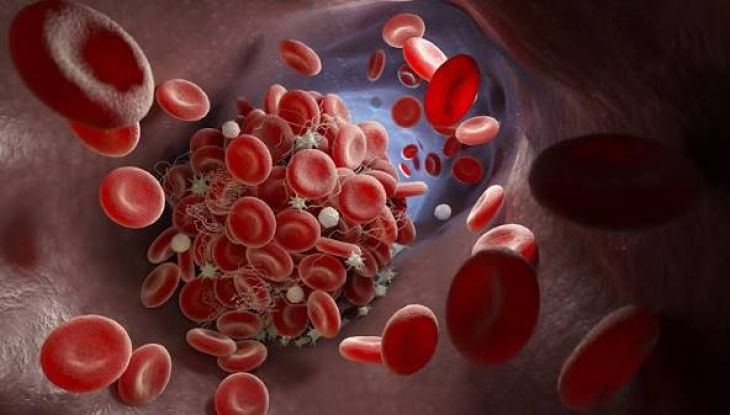
The human circulatory system relies on a delicate physiological equilibrium known as hemostasis, which maintains blood in a fluid, free-flowing state while retaining the capacity to rapidly plug injured vessel walls to prevent catastrophic blood loss. When a blood vessel is damaged, a complex, tightly regulated sequence of events—traditionally known as the coagulation cascade—is set into motion. This enzymatic chain reaction involves a series of plasma proteins, designated as clotting factors, that activate one another sequentially. The final steps of this cascade involve the conversion of soluble fibrinogen into insoluble fibrin strands, which weave together with platelets to form a sturdy, stable blood clot that seals the vascular breach. However, when pathological alterations occur—such as sluggish blood flow, endothelial injury, or hypercoagulable states—undesirable clots can form inside vital blood vessels. To interrupt this process and prevent life-threatening vascular obstructions, modern medicine utilizes specialized pharmacological agents known as anticoagulants.
Mechanisms of Action: How Anticoagulants Interfere with Clotting
Anticoagulant medicines are frequently referred to as blood thinners, though they do not actually alter the physical viscosity or thickness of the blood; instead, they target and inhibit specific enzymatic steps within the coagulation cascade to prevent new clots from forming and existing clots from enlarging. Different classes of anticoagulants exert their therapeutic effects at distinct points along this clotting pathway. Traditional agents like unfractionated heparin and low-molecular-weight heparins work indirectly by binding to an endogenous plasma cofactor called antithrombin III, exponentially accelerating its ability to neutralize activated clotting factors, most notably thrombin and factor Xa. In contrast, modern oral anticoagulants are engineered to target specific individual components of the cascade directly. Vitamin K antagonists, such as warfarin, inhibit the hepatic synthesis of vitamin K-dependent clotting factors—specifically factors II, VII, IX, and X—while direct oral anticoagulants selectively inhibit either free and clot-bound thrombin or factor Xa without requiring intermediate cofactors.
Clinical Indications: Preventing Strokes and Venous Thromboembolism
The deployment of anticoagulant therapy is critical in managing and preventing some of the most dangerous cardiovascular and cerebrovascular conditions encountered in clinical practice. One of the primary indications is the prevention of cardioembolic stroke in individuals suffering from atrial fibrillation, a common cardiac arrhythmia where the upper chambers of the heart beat irregularly and ineffectively. Because blood pools within the atria during atrial fibrillation, stagnant flow triggers local clot formation; if these clots break loose, they travel through the arterial circulation to the brain, causing devastating ischemic strokes. Anticoagulants are also the foundational cornerstone for treating and preventing venous thromboembolism, which encompasses deep vein thrombosis—where clots form in the deep veins of the legs—and pulmonary embolism, a life-threatening emergency where a dislodged clot travels through the right side of the heart to lodge in the pulmonary arterial bed.
Unfractionated Heparin and Low-Molecular-Weight Heparins
In acute clinical care settings, particularly when rapid anticoagulation is required or when patients cannot take oral medications, parenteral heparins serve as indispensable therapeutic tools. Unfractionated heparin is administered via intravenous infusion or subcutaneous injection and possesses a rapid onset of action alongside a short half-life, making it ideal for acute stabilization during myocardial infarctions, unstable angina, or bridging therapy prior to invasive procedures. Because unfractionated heparin has a variable pharmacokinetic response, clinicians must monitor patients continuously using laboratory tests like the activated partial thromboplastin time to ensure therapeutic safety. Low-molecular-weight heparins, such as enoxaparin, offer a more predictable pharmacokinetic profile, allowing for fixed, weight-based subcutaneous dosing without routine laboratory monitoring, making them highly effective for outpatient deep vein thrombosis treatment and surgical prophylaxis.
Vitamin K Antagonists and Dietary Considerations
For decades, vitamin K antagonists—most notably warfarin—served as the sole option for long-term oral anticoagulation therapy. Warfarin remains a highly effective and economical choice for patients with mechanical heart valves or advanced renal disease, but its management requires meticulous clinical oversight. Because warfarin's mechanism relies on antagonizing vitamin K, its anticoagulant effect is heavily influenced by dietary intake of vitamin-K-rich foods, such as green leafy vegetables, as well as numerous drug interactions that can alter its hepatic metabolism. Consequently, patients taking warfarin require regular blood testing utilizing the international normalized ratio to ensure their clotting times remain within a narrow, safe therapeutic window, balancing the prevention of dangerous thrombosis against the risk of spontaneous bleeding complications.
Direct Oral Anticoagulants and Modern Therapeutic Advances
The landscape of modern cardiovascular medicine has been revolutionized by the development and widespread adoption of direct oral anticoagulants, which include direct thrombin inhibitors like dabigatran and factor Xa inhibitors such as rivaroxaban, apixaban, and edoxaban. These advanced agents overcome many of the logistical limitations associated with traditional vitamin K antagonists. Direct oral anticoagulants are administered at fixed daily doses without requiring routine laboratory monitoring of coagulation parameters, and they exhibit significantly fewer interactions with dietary components. Furthermore, clinical trials have demonstrated that these modern agents offer comparable or superior efficacy in stroke prevention and venous thromboembolism treatment while carrying a lower risk of severe intracranial hemorrhage, making them the preferred first-line oral anticoagulants for most eligible patients.
Managing Bleeding Risks and Reversal Strategies
While anticoagulant medicines are remarkably effective at preventing dangerous blood clots, their primary pharmacological side effect is an increased risk of bleeding, ranging from minor bruising and nuisance mucosal bleeding to severe, life-threatening hemorrhages. Clinicians carefully weigh this bleeding risk against the patient's individual thrombotic risk using standardized clinical scoring systems before initiating therapy. In the event of a major bleeding episode or an urgent surgical emergency requiring immediate cessation of anticoagulation, modern medicine utilizes specific reversal agents. Protamine sulfate can rapidly neutralize heparin, specialized prothrombin complex concentrates can replace depleted clotting factors in patients taking warfarin, and targeted monoclonal antibody reversal agents or specific antidotes are available to neutralize direct oral anticoagulants instantly, ensuring patient safety during critical care scenarios.
Conclusion
Anticoagulant medicines are powerful, life-saving therapeutic agents designed to interrupt the coagulation cascade, preventing the formation and propagation of dangerous blood clots that drive strokes, deep vein thrombosis, and pulmonary embolisms. By examining how traditional heparins, vitamin K antagonists, and modern direct oral anticoagulants target specific clotting pathways, the precision of modern pharmacology becomes clear. Through meticulous risk stratification, regular monitoring where required, patient education, and the availability of rapid reversal agents, healthcare providers can successfully harness the protective power of anticoagulants while minimizing bleeding risks, ensuring patients maintain safe and effective vascular health.