Common Adrenal Gland Disorders and Their Effects on the Body
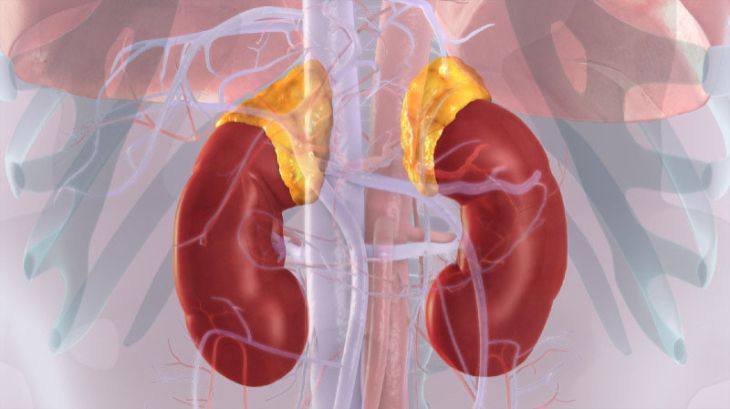
Nestled like tiny, triangular caps atop each kidney, the adrenal glands are powerhouses of endocrine regulation. Despite their modest size—measuring only a few centimeters across—these glands wield immense influence over virtually every organ system in the human body. They serve as the body's primary chemical command center for managing stress, regulating metabolism, balancing blood pressure, and controlling electrolyte levels.
When the adrenal glands malfunction, either by overproducing or underproducing critical hormones, the systemic consequences can be profound and far-reaching. Understanding the anatomical structure of these glands, the specific hormones they secrete, and the primary disorders associated with their dysfunction is essential for recognizing hormonal imbalances and seeking timely medical care.
1. Anatomy and Hormonal Output of the Adrenal Glands
To comprehend adrenal disorders, one must first examine the internal architecture of the glands. Each adrenal gland is divided into two distinct structural and functional regions: the outer cortex and the inner medulla. Each section produces specialized hormones tailored to different physiological needs.
The Adrenal Cortex: The Hormone Factory
Making up the bulk of the gland, the outer cortex is further divided into three distinct zones, each responsible for synthesizing specific steroid hormones derived from cholesterol:
-
Zona Glomerulosa (Mineralocorticoids): This outermost layer produces aldosterone, a vital hormone that regulates sodium and potassium balance in the kidneys. Aldosterone commands the body to retain sodium and excrete potassium, directly influencing blood volume and blood pressure.
-
Zona Fasciculata (Glucocorticoids): The middle and largest zone secretes cortisol, often referred to as the body's primary stress hormone. Cortisol plays a central role in regulating metabolism, reducing inflammation, maintaining blood glucose levels, and helping the body respond to physical and emotional stress.
-
Zona Reticularis (Androgens): The innermost layer produces weak male sex hormones (androgens) such as dehydroepiandrosterone (DHEA), which contribute to secondary sexual characteristics.
The Adrenal Medulla: The Stress Response
The inner core of the gland functions as part of the sympathetic nervous system. Prompted by direct neural signals during acute stress, the medulla rapidly secretes epinephrine (adrenaline) and norepinephrine (noradrenaline). These hormones trigger the classic "fight-or-flight" response, accelerating heart rate, dilating airways, and redirecting blood flow to vital muscle groups.
2. Hyposecretion Disorders: When the Adreals Fall Short
Adrenal insufficiency occurs when the cortex fails to produce adequate amounts of glucocorticoids, mineralocorticoids, or both. This deficiency can stem from primary destruction of the adrenal tissue itself or secondary failures originating in the pituitary gland.
Addison’s Disease (Primary Adrenal Insufficiency)
Addison's disease is a rare, chronic endocrine disorder in which the adrenal cortex is damaged, leading to a deficiency in both cortisol and aldosterone.
-
Etiology: In the developed world, the most common cause is an autoimmune reaction where the body's immune system mistakenly attacks and destroys the adrenal cortex. Historically, chronic infections like tuberculosis were major culprits.
-
Clinical Presentation: The onset of symptoms is typically slow and insidious, often including profound fatigue, chronic muscle weakness, unexplained weight loss, low blood pressure (hypotension), and dizziness upon standing.
-
Hallmark Sign (Hyperpigmentation): A unique physical marker of primary adrenal insufficiency is distinctive skin darkening (hyperpigmentation). This occurs because low cortisol levels prompt the pituitary gland to pump out high levels of adrenocorticotropic hormone (ACTH), which shares a molecular precursor that stimulates melanin production in the skin.
-
Adrenal Crisis: If left untreated, physical stress such as infection, trauma, or surgery can trigger an acute adrenal crisis—a life-threatening medical emergency marked by sudden, severe low blood pressure, vomiting, lower back pain, and shock requiring immediate intravenous cortisol replacement and fluid resuscitation.
Secondary Adrenal Insufficiency
Unlike Addison's disease, secondary adrenal insufficiency does not involve damage to the adrenal glands. Instead, it occurs when the pituitary gland fails to produce sufficient ACTH—the chemical messenger that stimulates the adrenal cortex to release cortisol. This can be caused by pituitary tumors, inflammation, or the abrupt cessation of long-term prescription corticosteroid medications.
3. Hypersecretion Disorders: When the Adreals Overproduce
Conversely, when the adrenal glands produce excessive quantities of hormones, the body experiences a different set of systemic imbalances.
Cushing’s Syndrome (Hypercortisolism)
Cushing's syndrome describes the clinical state resulting from prolonged, excessive exposure to high levels of glucocorticoids in the body.
-
Endogenous vs. Exogenous Causes: The most common cause worldwide is exogenous Cushing's syndrome, triggered by the long-term use of prescription oral corticosteroid medications (such as prednisone) for inflammatory conditions like asthma, lupus, or rheumatoid arthritis. Endogenous Cushing's syndrome stems from internal overproduction, often due to a benign pituitary tumor secreting excess ACTH (known as Cushing's disease) or, less commonly, an ACTH-secreting tumor in the lungs or a benign tumor directly on the adrenal cortex.
-
Physical Manifestations: The effects of chronic hypercortisolism are visually striking and metabolically disruptive. Patients often develop weight gain concentrated around the abdomen and chest, a rounded "moon face," and a fatty hump between the shoulders ("buffalo hump").
-
Systemic Complications: Skin becomes thin and fragile, bruising easily with purple stretch marks (striae) appearing on the abdomen. Muscle wasting in the limbs, secondary hypertension, elevated blood sugar (leading to steroid-induced diabetes), and osteoporosis are frequent clinical complications.
Primary Hyperaldosteronism (Conn's Syndrome)
Primary hyperaldosteronism occurs when the adrenal glands overproduce aldosterone, independent of the body's normal sodium-potassium regulatory feedback loops.
-
Underlying Triggers: This overproduction is usually caused by a benign, non-cancerous tumor on one adrenal gland (an aldosterone-producing adenoma) or abnormal overgrowth of both adrenal glands.
-
Clinical Effects: Excessive aldosterone forces the kidneys to retain sodium and excrete dangerously high amounts of potassium. This biochemical imbalance leads to moderate-to-severe high blood pressure that can be difficult to control with standard medications, accompanied by chronic muscle cramps, weakness, and frequent urination due to potassium depletion.
4. Adrenal Medulla Disorders: Pheochromocytoma
While the adrenal cortex generates hormone imbalances linked to metabolism and salt balance, disorders of the adrenal medulla present dramatic neurological and cardiovascular challenges.
Pheochromocytoma
A pheochromocytoma is a rare, usually benign tumor originating in the chromaffin cells of the adrenal medulla.
-
Hormonal Overload: These tumors secrete massive, uncontrolled surges of catecholamines (epinephrine and norepinephrine) directly into the bloodstream.
-
Clinical Presentation: Patients experience episodic spells characterized by severe, pounding headaches, profuse sweating, rapid heart palpitations, profound anxiety, and severe hypertension. These unpredictable surges can pose serious cardiovascular risks, including stroke or heart attack, if the tumor is not surgically removed.
5. Diagnostic Evaluation and Clinical Management
Diagnosing adrenal disorders requires a systematic blend of medical history, hormone level testing, and advanced anatomical imaging.
-
Biochemical Screening: Blood and urine tests measure baseline hormone levels, such as early-morning cortisol, plasma ACTH, aldosterone-to-renin ratios, and 24-hour urinary free cortisol. Specialized dynamic stimulation tests (like the ACTH stimulation test) help evaluate whether the adrenal glands respond appropriately to chemical prompts.
-
Advanced Imaging: High-resolution computed tomography (CT) or magnetic resonance imaging (MRI) scans of the abdomen allow endocrinologists to visualize the adrenal glands directly, identifying nodules, tumors, or physical enlargement.
-
Targeted Treatments: Management varies entirely based on the underlying diagnosis. Addison's disease requires lifelong daily hormone replacement therapy (hydrocortisone and fludrocortisone). Hypersecretion syndromes or tumors often require surgical intervention—such as a laparoscopic adrenalectomy—to remove the offending growth, complemented by targeted medications to normalize hormone levels.
Conclusion
Adrenal gland disorders demonstrate the delicate chemical equilibrium required to maintain human health. Whether facing the severe fatigue and low blood pressure of Addison's disease, the widespread metabolic changes of Cushing's syndrome, or the sudden cardiovascular surges of a pheochromocytoma, understanding these conditions highlights the vital role our endocrine system plays. Through accurate biochemical testing, advanced imaging, and specialized medical or surgical therapies, individuals affected by adrenal disorders can successfully restore hormonal balance and reclaim their health.