Warning Signs of Gallbladder Problems You Should Know
The gallbladder is a small organ located beneath the liver that plays an important role in the digestive system. It stores bile, a digestive fluid produced by the liver, and releases it into the small intestine to help digest fats after meals. Although the gallbladder is small, problems affecting this organ can cause significant discomfort and interfere with normal digestion. Gallbladder disorders often develop gradually, and the earliest symptoms may be mild or occur only occasionally. Because these warning signs can resemble other digestive conditions, many people delay seeking medical attention. Recognising persistent or recurring symptoms early can help identify gallbladder disease before complications develop. Understanding how the gallbladder functions, learning the common warning signs, and adopting healthy daily habits can support digestive health and encourage timely medical care when needed.
Common Gallbladder Conditions Can Affect Digestion
Several health conditions may interfere with normal gallbladder function. Gallstones are among the most common disorders and develop when substances found in bile form solid deposits inside the gallbladder. Some gallstones remain unnoticed, while others may block the flow of bile and cause painful attacks.
Inflammation of the gallbladder, known as cholecystitis, may occur when bile becomes trapped, often because of gallstones. In some cases, the gallbladder may also develop infections, polyps, or problems that reduce its ability to empty properly. Although these conditions differ in their causes and severity, they can all affect digestion and should be evaluated by a healthcare professional if symptoms continue or become more severe.
Recognising the Warning Signs Early
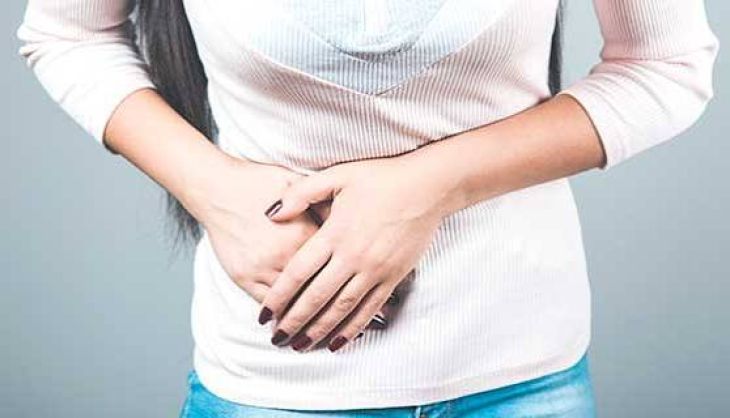
Gallbladder problems often produce symptoms related to digestion, especially after eating meals that contain higher amounts of fat. One of the most common warning signs is pain in the upper right side of the abdomen. The discomfort may begin suddenly, last from several minutes to a few hours, and sometimes spread to the right shoulder or upper back.
Other symptoms may include nausea, vomiting, bloating, indigestion, frequent burping, or a feeling of fullness after eating only a small amount of food. Some people notice repeated episodes of discomfort following meals, while others experience symptoms only occasionally.
If the gallbladder becomes inflamed or infected, fever, chills, persistent abdominal pain, or tenderness over the upper abdomen may develop. Yellowing of the skin or eyes, dark urine, or pale stools may suggest that bile flow has become blocked and require prompt medical evaluation. Persistent or severe digestive symptoms should never be ignored, particularly when they interfere with normal daily activities.
Healthy Habits That Support Gallbladder Health
While not every gallbladder condition can be prevented, healthy lifestyle habits may help lower the risk of certain disorders. Eating balanced meals that include vegetables, fruits, whole grains, legumes, and lean protein supports digestive health. Limiting foods that are heavily processed or contain excessive unhealthy fats may reduce unnecessary strain on the digestive system.
Maintaining a healthy body weight through regular physical activity also supports gallbladder function. Gradual weight loss is generally healthier than rapid weight loss, as sudden changes in body weight may increase the likelihood of gallstone formation in some individuals. Drinking enough water, avoiding smoking, and following medical advice for conditions such as diabetes or high cholesterol may also contribute to better digestive health. Regular health checkups allow healthcare professionals to investigate persistent digestive symptoms before complications develop.
Conclusion
Early Attention Can Protect Gallbladder Health
The gallbladder plays an important part in healthy digestion, and problems affecting this organ can lead to pain, digestive discomfort, and other complications if left untreated. Symptoms such as upper abdominal pain, nausea, bloating, fever, or jaundice should not be overlooked, especially when they occur repeatedly or become severe. Seeking medical advice promptly allows earlier diagnosis and appropriate treatment. Combined with healthy eating habits, regular physical activity, and routine medical care, early recognition of gallbladder problems can support digestive health and improve overall well-being.