How Vaccines Work and Why They Are Important
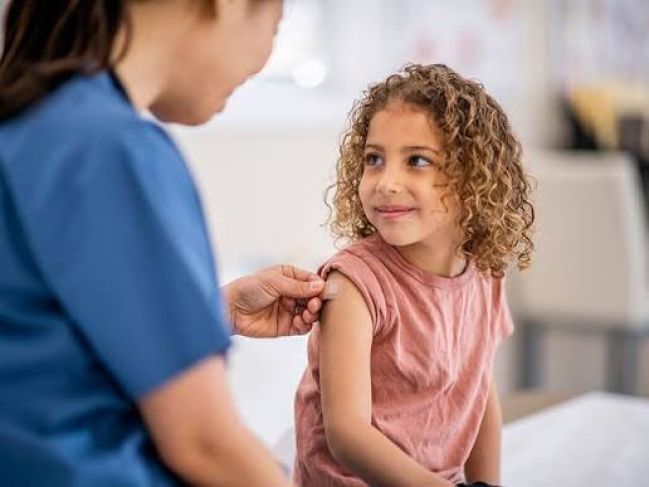
Vaccines are one of the most important tools in modern healthcare because they help the body prepare to fight certain infectious diseases before a person is exposed to them.
Instead of waiting for an infection to happen, vaccination introduces the immune system to a safe version or part of a disease-causing organism.This allows the body to recognize the threat and develop an immune response without actually getting sick.The immune system has a remarkable ability to remember previous encounters with harmful germs.Vaccines use this natural ability by creating immune memory.If the vaccinated person later comes into contact with the actual pathogen, the immune system can respond more quickly and effectively.Depending on the disease and vaccine, this protection may reduce the chance of infection, make illness less severe, or lower the risk of serious complications.Vaccination also has benefits beyond the individual.When enough people are protected against a contagious disease, it becomes harder for the infection to spread through a community.This can provide additional protection to people who cannot receive certain vaccines or who may not respond strongly to them.
What Happens Inside the Body After Vaccination?
When a vaccine enters the body, the immune system begins examining the material it contains.
Vaccines are carefully designed so they can stimulate an immune response without causing the disease they are intended to prevent.Depending on the vaccine, this may involve a weakened form of a pathogen, an inactive form, a specific protein or part of the pathogen, genetic instructions that help cells produce a harmless antigen, or another carefully chosen component.The immune system recognizes these materials as something it needs to respond to.Specialized immune cells process the antigen and communicate with other parts of the immune system.B cells can produce antibodies, which are proteins made to recognize specific targets.Other immune cells help coordinate the body’s broader defense.An important result of vaccination is the development of immune memory.Memory B cells and T cells can remain in the body after the initial immune response has settled down.If the actual pathogen is encountered later, these memory cells can help the immune system react faster than it might during a first exposure.Some vaccines require more than one dose because repeated exposure to the vaccine antigen can strengthen or extend protection.Booster doses may also be recommended when protection decreases over time or when continued immunity is important for preventing disease.
Different Types of Vaccines and How They
Not all vaccines are made in the same way.
Scientists use several vaccine technologies, depending on the characteristics of the disease-causing organism and the type of immune response needed.Traditional approaches include live-attenuated vaccines, which use a weakened form of a pathogen, and inactivated vaccines, which use a pathogen that has been rendered unable to cause infection.
Other vaccines contain only a specific part of a pathogen.
These are sometimes called subunit or protein-based vaccines.Since they use selected components rather than the entire organism, they can focus the immune response on important targets.Toxoid vaccines work differently by training the immune system to recognize toxins produced by certain bacteria.Newer vaccine platforms include messenger RNA and viral-vector technologies.Messenger RNA vaccines provide temporary instructions that allow cells to produce a harmless antigen, which then stimulates an immune response.Viral-vector vaccines use a modified virus to deliver genetic instructions for an antigen.
Why Vaccination Matters for Individuals and Communities
Vaccination can protect individuals from diseases that may cause serious illness, complications, hospitalization, or death.
The level of protection varies depending on the vaccine, disease, individual health factors, and how long it has been since vaccination.Even when vaccination does not completely prevent infection, it may help reduce the severity of illness for some diseases.The benefits can extend throughout a community.Infectious diseases spread when susceptible people come into contact with infected individuals.
When a big number of people in a community are immune to a disease, it becomes harder for the disease to spread.
This type of protection is especially important for people who can't get vaccinated because of health issues or whose bodies don't respond well to vaccines.Vaccination programs have helped bring down diseases that used to affect many people.A famous example is smallpox, which was completely eliminated through a worldwide effort to vaccinate people.
Vaccines go through a lot of testing before they're approved for public use.
Even after they're given out, they're kept under watch because large numbers of people can show side effects that weren’t seen in smaller tests.This helps health officials spot any safety concerns and look into them.Like other medicines, vaccines can sometimes cause side effects.These might include things like a sore arm where the shot was given, feeling tired, a headache, or a slight fever.These are usually mild and go away quickly, and they show that the immune system is working.More serious side effects are rare, and there are systems in place to handle them.It's also important to know the difference between something that happens after getting a vaccine and something that the vaccine actually causes.
Vaccines help the immune system recognize certain disease threats and remember them.
This way, the body can fight off the real disease more quickly if it ever comes into contact with it.Different vaccines use different methods, but their main goal is to offer protection while keeping the dangers of natural infection as low as possible.Vaccination is important because it protects individuals from serious diseases and also helps stop contagious illnesses from spreading widely.