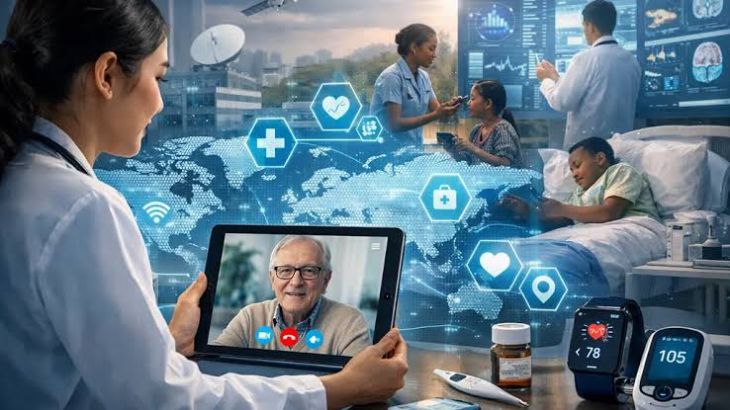
How Telemedicine Is Changing Access to Healthcare
Healthcare has undergone a remarkable transformation in recent years, with technology playing a major role in making medical services more accessible than ever before. One of the biggest innovations in this field is telemedicine, which allows patients to consult healthcare professionals remotely through video calls, phone conversations, or secure messaging platforms.This approach has become increasingly popular because it saves time, reduces travel, and enables patients to receive quality healthcare from the comfort of their homes.Telemedicine gained widespread attention during the COVID-19 pandemic, but its benefits extend far beyond emergency situations.Today, it is helping individuals living in rural areas, elderly patients, busy professionals, and people with chronic illnesses access timely medical care.As digital technology continues to evolve, telemedicine is becoming an essential part of modern healthcare systems worldwide.Understanding how it works, its advantages, challenges, and future potential can help patients and healthcare providers make informed decisions about embracing this innovative method of healthcare delivery.
Understanding Telemedicine and Its Growing Importance
Telemedicine refers to the delivery of healthcare services using digital communication technologies.Instead of visiting a hospital or clinic in person, patients can connect with doctors through smartphones, computers, or tablets.These virtual consultations may include routine health checkups, follow-up appointments, mental health counseling, prescription renewals, and specialist consultations.Healthcare providers can review medical histories, discuss symptoms, recommend treatments, and even monitor ongoing conditions remotely.The increasing adoption of telemedicine has been driven by improved internet connectivity, widespread smartphone usage, and advancements in digital health platforms.Patients no longer need to travel long distances or wait for extended periods to receive medical advice.This is especially valuable for people living in remote communities where healthcare facilities are limited.Telemedicine also helps reduce overcrowding in hospitals by allowing healthcare providers to manage non-emergency cases online.In addition, digital health records enable doctors to access patient information quickly, improving the quality and continuity of care.As technology continues to improve, telemedicine is becoming a practical and reliable option for millions of people seeking convenient healthcare services.
Benefits for Patients and Healthcare Providers
Telemedicine offers numerous advantages for both patients and healthcare professionals. One of its greatest benefits is convenience.Patients can schedule appointments without taking time off work, arranging transportation, or spending hours in waiting rooms.This flexibility encourages people to seek medical advice earlier, preventing minor health concerns from becoming serious conditions.Healthcare providers also benefit from increased efficiency.Virtual appointments often allow doctors to see more patients while maintaining quality care.Medical professionals can monitor chronic illnesses such as diabetes, hypertension, and asthma through remote monitoring devices, reducing unnecessary hospital visits.Telemedicine also improves access to specialists, allowing patients in underserved areas to receive expert medical opinions without traveling to large cities.Mental healthcare has also experienced significant improvements through telemedicine.Many individuals feel more comfortable discussing sensitive issues from their own homes, leading to greater participation in therapy sessions and counseling programs.Furthermore, telemedicine reduces healthcare costs by minimizing travel expenses, lowering missed appointments, and decreasing hospital admissions for preventable conditions.These combined benefits make telemedicine a valuable tool for creating a more patient-centered healthcare system.
Challenges and Limitations of Telemedicine
Despite its many advantages, telemedicine also faces several challenges that must be addressed to ensure its long-term success.
One of the biggest concerns is limited internet access in rural or economically disadvantaged regions.Reliable video consultations require stable internet connections, which may not be available everywhere.This digital divide can prevent some patients from fully benefiting from telemedicine services.Privacy and cybersecurity are additional concerns.Medical information is highly sensitive, making secure digital platforms essential for protecting patient confidentiality.Healthcare providers must follow strict security protocols to prevent unauthorized access to personal health records.Another limitation is that not every medical condition can be diagnosed or treated remotely.Physical examinations, laboratory tests, imaging procedures, and emergency medical situations still require in-person care.
The Future of Telemedicine in Modern Healthcare
The future of telemedicine looks promising as technological innovations continue to reshape healthcare delivery.
Artificial intelligence, wearable health devices, and remote monitoring systems are making virtual healthcare more accurate and personalized.Smartwatches and wearable sensors can continuously track heart rate, blood pressure, oxygen levels, and other vital signs, allowing doctors to detect potential health issues before they become serious.Artificial intelligence is also assisting healthcare professionals by analyzing patient data, identifying potential risks, and supporting faster clinical decisions.Electronic health records are becoming more integrated, enabling seamless communication among healthcare providers.Governments and healthcare organizations are increasingly investing in digital health infrastructure to expand telemedicine services and improve healthcare accessibility.In the future, telemedicine may become a standard component of routine healthcare rather than simply an alternative option.Hybrid healthcare models that combine virtual consultations with in-person visits will likely provide the best balance of convenience and comprehensive care.As technology advances and healthcare policies continue to evolve, telemedicine has the potential to create a more efficient, affordable, and inclusive healthcare system for people around the world.
Conclusion:
Telemedicine has fundamentally changed how people access healthcare by making medical consultations faster, more convenient, and widely available. It has reduced barriers such as distance, travel time, and limited specialist availability while improving patient engagement and healthcare efficiency.Although challenges including internet accessibility, cybersecurity, and the need for physical examinations still exist, ongoing technological advancements continue to strengthen the effectiveness of remote healthcare services.As artificial intelligence, wearable technology, and digital health platforms become increasingly sophisticated, telemedicine will play an even greater role in preventive care, chronic disease management, and overall patient wellness.Rather than replacing traditional healthcare, telemedicine complements existing medical services by offering flexible and accessible care options that meet the needs of modern patients.