Common Symptoms of Bladder Problems and Their Causes
The bladder is an important part of the urinary system that stores urine until it is ready to leave the body. Although this organ performs a simple function, it depends on healthy muscles, nerves, and surrounding structures to work properly. When the bladder is affected by disease or injury, everyday activities may become uncomfortable and repeated urinary symptoms can interfere with daily life. Some bladder conditions develop suddenly, while others progress gradually over time. Because early symptoms are often mild or mistaken for temporary discomfort, many people delay seeking medical attention. Learning to recognise persistent urinary changes and understanding the possible causes of bladder problems can encourage timely medical evaluation. Early diagnosis often helps prevent complications and allows appropriate treatment to begin before symptoms become more severe.
Different Conditions Can Affect Bladder Function
A variety of health conditions can interfere with the normal functioning of the bladder. Urinary tract infections are among the most common causes of bladder irritation and usually develop when bacteria enter the urinary system. Bladder stones may form when urine remains in the bladder for long periods, allowing minerals to collect and harden. Some people experience an overactive bladder, a condition in which the bladder muscle contracts more often than necessary, creating a frequent urge to urinate.
Difficulty emptying the bladder completely may also occur because of nerve disorders, weakened bladder muscles, or blockage of urine flow. In some cases, inflammation of the bladder, certain medicines, or more serious conditions such as bladder tumours may produce ongoing urinary symptoms. Since many bladder disorders share similar signs, a proper medical examination is necessary to determine the exact cause.
Common Symptoms That Should Not Be Ignored
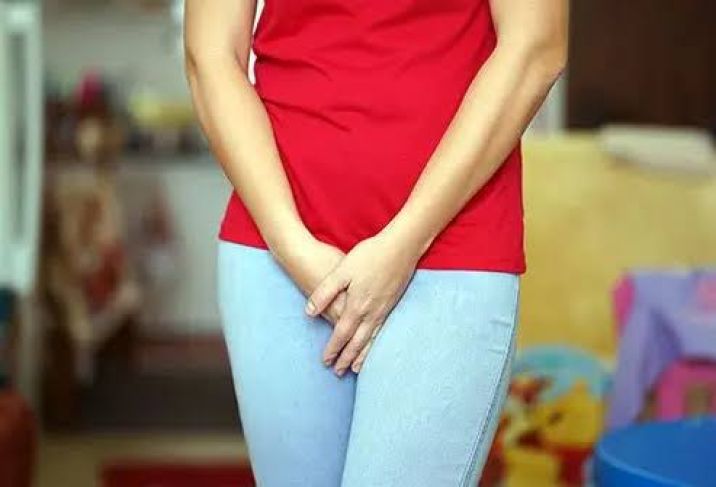
A person may need to pass urine more frequently than usual, wake several times during the night to urinate, or suddenly feel a strong urge that is difficult to control. Some individuals may experience pain or a burning sensation while passing urine, while others notice difficulty starting urination or feel that the bladder has not emptied completely.
Changes in the appearance of urine can also provide important clues. Blood in the urine, cloudy urine, unusually dark urine, or urine with a strong odour should always be assessed by a healthcare professional. Lower abdominal discomfort, pelvic pain, urine leakage, or accidental loss of bladder control may also indicate an underlying bladder disorder. If these symptoms continue, worsen, or occur repeatedly, medical attention should not be delayed.
Factors That May Increase the Risk of Bladder Problems
Several factors can increase the likelihood of developing bladder disorders. Drinking too little water may lead to concentrated urine that can irritate the bladder. Poor personal hygiene, untreated urinary infections, diabetes, kidney stones, and certain neurological conditions may also contribute to urinary symptoms. Increasing age can affect bladder muscle strength and bladder control, making urinary problems more common in older adults.
Smoking is another important risk factor because it has been linked to several serious bladder conditions. Long-term use of urinary catheters, previous urinary tract surgery, and certain medications may also influence bladder function. Understanding these risk factors helps individuals recognise when medical advice may be needed and encourages healthier daily habits.
Healthy Habits That Support Bladder Health
Maintaining good bladder health begins with simple everyday practices. Drinking enough water throughout the day helps dilute urine and supports the normal flushing of the urinary tract. Eating a balanced diet rich in fruits, vegetables, whole grains, and fibre may also contribute to overall urinary health. Limiting excessive caffeine, alcohol, and highly processed foods may reduce bladder irritation in some individuals.
Practising good personal hygiene, avoiding smoking, staying physically active, and maintaining a healthy body weight can further support bladder function. It is also helpful to avoid delaying urination for long periods whenever possible. Regular medical checkups and prompt treatment of urinary symptoms may reduce the risk of complications and help preserve healthy bladder function.
Conclusion
Early Recognition Can Protect Bladder Health
Bladder problems can affect comfort, daily activities, and overall quality of life if left untreated. Symptoms such as frequent urination, burning during urination, blood in the urine, urine leakage, or persistent pelvic discomfort should never be ignored. Early medical assessment can identify the underlying cause and allow appropriate treatment before more serious complications develop. By following healthy daily habits, staying well hydrated, and seeking medical advice when symptoms appear, individuals can support bladder health and maintain healthy urinary function throughout life.