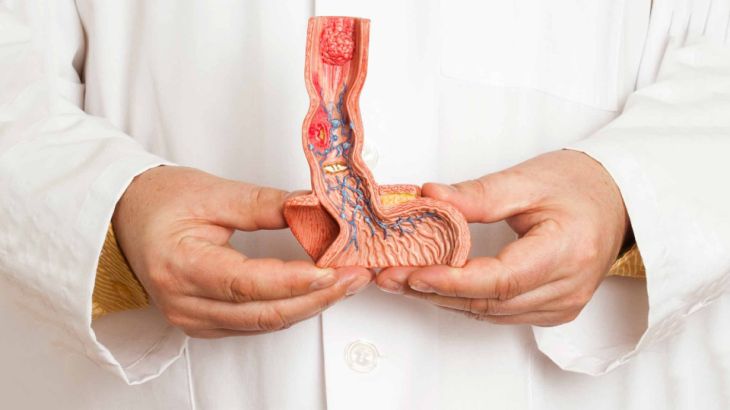
Understanding Common Stomach Diseases and Their Symptoms
The stomach plays a central role in the digestive system by storing food, breaking it down with digestive acids and enzymes, and preparing it for further digestion in the intestines. When the stomach is not functioning properly, digestion can become uncomfortable and may affect overall health and nutrition. Some conditions develop suddenly, while others progress gradually over time. Early symptoms are often mild and may be mistaken for temporary indigestion or dietary discomfort, causing many people to ignore them. Recognising persistent digestive symptoms and understanding the conditions that may affect the stomach can encourage timely medical evaluation. Early diagnosis often allows appropriate treatment and helps reduce the risk of complications while supporting long-term digestive health.
Common Conditions That Affect the Stomach
Several disorders can interfere with the normal function of the stomach. Gastritis develops when the stomach lining becomes inflamed and may occur because of infections, long-term use of certain medicines, excessive alcohol consumption, or other factors. Peptic ulcers are open sores that form in the stomach lining and are commonly associated with Helicobacter pylori infection or prolonged use of anti-inflammatory medicines.
Gastroenteritis is another common condition that usually results from viral, bacterial, or parasitic infections and often causes sudden digestive symptoms. In some individuals, stomach polyps or, less commonly, stomach cancer may also affect stomach health. Although these conditions differ in their causes and severity, many produce similar digestive complaints, making professional medical assessment important for an accurate diagnosis.
Symptoms That Should Not Be Ignored
Stomach diseases can produce a wide variety of symptoms depending on the underlying condition. Persistent stomach pain, burning discomfort in the upper abdomen, bloating, nausea, vomiting, or a feeling of fullness after eating only a small amount may indicate that the stomach is not functioning normally. Some individuals may also experience frequent indigestion, excessive belching, or acid reflux.
Loss of appetite, unexplained weight loss, black or bloody stools, vomiting blood, or ongoing vomiting require prompt medical attention because they may indicate more serious stomach conditions. Long-lasting digestive symptoms should never be ignored, especially if they continue despite simple dietary changes or become progressively worse over time.
Factors That May Increase the Risk of Stomach Diseases
Several lifestyle and medical factors may increase the likelihood of developing stomach disorders. Frequent use of certain pain-relieving medicines, smoking, excessive alcohol intake, chronic stress, and poor dietary habits may irritate the stomach lining or contribute to digestive problems. Infection with Helicobacter pylori is also a significant cause of certain stomach diseases.
Eating highly processed foods regularly, consuming excessive spicy or fatty meals, and maintaining irregular eating patterns may worsen digestive symptoms in some individuals. Increasing age, a family history of certain stomach conditions, and some long-term medical illnesses may also influence stomach health. Understanding these risk factors allows individuals to make healthier daily choices and recognise when medical advice may be needed.
Healthy Habits That Support Stomach Health
Protecting stomach health begins with consistent daily habits. Eating balanced meals that include fruits, vegetables, whole grains, lean proteins, and fibre supports healthy digestion. Drinking enough water throughout the day also helps maintain normal digestive function. Eating meals at regular times and avoiding overeating may reduce unnecessary strain on the stomach.
Limiting alcohol, avoiding tobacco products, reducing highly processed foods, and using medicines only under medical guidance can further protect the stomach lining. Regular physical activity supports overall digestive health, while stress-management techniques such as relaxation exercises, meditation, or adequate sleep may help improve digestive well-being. Seeking medical advice when digestive symptoms persist is equally important for maintaining long-term stomach health.
Conclusion
Early Attention Supports Better Digestive Health
The stomach performs essential functions that allow the body to digest food and absorb nutrients efficiently. Conditions affecting the stomach may cause symptoms such as abdominal pain, bloating, nausea, indigestion, or changes in appetite that should not be ignored if they continue. Early medical assessment can identify the cause and allow timely treatment before complications develop. By maintaining healthy eating habits, following a balanced lifestyle, and seeking professional care when symptoms appear, individuals can support healthy digestion and protect stomach function throughout life.