How Smart Implants Are Advancing Modern Healthcare
Modern healthcare is moving toward treatments that are more personalized, connected, and responsive to individual needs.
One important development in this area is the rise of smart implants.Unlike traditional implants that mainly replace, support, or repair damaged parts of the body, smart implants can include sensors, electronic components, wireless communication, or other advanced technologies.These features may allow doctors to collect useful information about how an implant or a body system is working.Smart implants are being explored in various areas of medicine, including orthopedics, cardiology, neurology, and rehabilitation.Some devices can monitor pressure, movement, temperature, electrical activity, or other biological signals.This information can help healthcare professionals understand a patient’s condition and make better treatment decisions.While many smart implant technologies are still being studied or improved, they show how medicine is moving beyond standard devices.The mix of medical engineering, electronics, materials science, and data analysis could eventually make implants more adaptable and useful throughout a patient’s treatment journey.
Smart Implants Combine Medical Devices With Digital Technology
Traditional medical implants are usually designed to perform a specific function.
For example, a joint replacement helps restore movement, and certain cardiac devices can help regulate the heart’s rhythm.Smart implants add another layer by including technologies that can collect or send information.Sensors play a key role in these systems.Depending on their purpose, they may detect movement, pressure, temperature, electrical signals, or mechanical stress.This information can give a clearer picture of what is happening around an implant.Instead of relying only on occasional check-ups, healthcare professionals may eventually get more continuous information about a patient’s condition.Communication technology can also make smart implants more useful.Some systems are designed to send information to an external device, allowing doctors to review measurements without removing or replacing the implant.Data can be combined with other medical information to give a more complete understanding of a patient’s progress.However, smart implants are not just tiny computers placed inside the body.They must function safely in complex biological environments.Developers need to consider materials, energy needs, durability, biocompatibility, and protection from bodily fluids.The device must also provide meaningful information rather than just producing a lot of data.This mix of engineering and medicine makes smart implants an important area of modern healthcare research.
Continuous Monitoring Could Improve Treatment Decisions
One of the most promising features of smart implants is their potential to provide information over time.
Many medical assessments happen during scheduled visits, giving clinicians only occasional snapshots of a patient’s condition.A sensor-enabled implant could potentially provide more information between visits.For example, researchers are exploring implantable technologies that can monitor mechanical conditions around orthopedic devices.Information about movement or pressure could help doctors understand how an implant is performing during daily activities.In other applications, implantable sensors may monitor physiological signals that are important for treatment.Continuous or repeated measurements could help identify changes earlier.If an implant starts behaving differently from what is expected, the information might prompt a healthcare professional to investigate the situation.This could support more timely clinical decisions, although the exact benefits depend on the device, condition, and quality of the collected data.Smart implants could also help with personalized treatment.Patients do not always respond to medical treatments in the same way.Data collected from an individual could help clinicians understand how that person’s body is reacting and adjust care when necessary.There are important limitations.More data does not automatically mean better healthcare.Measurements must be accurate, clinically relevant, and interpreted properly.Doctors also need reliable systems for distinguishing meaningful changes from normal variations.Therefore, the real value of smart implants lies not just in collecting information, but in turning that information into useful medical knowledge.
Smart Implants May Support More Personalized and Precise Care
Another major advantage of smart implant technology is the possibility of tailoring treatment more closely to individual patients.
Personalized healthcare focuses on moving away from a single approach that works for everyone.
Instead, it takes into account differences in a person's biology, how they live their life, how they respond to treatments, and how their condition may change over time.In the field of neurological medicine, scientists are looking into advanced implantable systems that can interact with the electrical signals in the nervous system.These systems might one day help treat certain neurological conditions or help the brain communicate with medical devices and other external systems.However, much of this work is still in the experimental stage, and how these technologies are used in real-world clinical settings can vary a lot.
Cardiology is another area where smart implantable technology has already made a big difference.
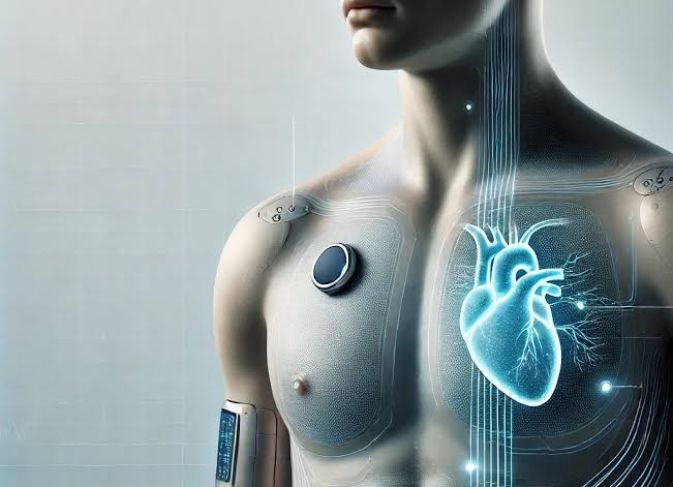
Some implanted cardiac devices can gather information about heart activity and how well the device itself is working.Remote monitoring allows medical teams to look at this data without needing to have every check-up done in person.Looking ahead, implants could go beyond just monitoring conditions to also reacting to specific signals from the body.
Challenges Include Safety, Power, Privacy, and Long-Term Reliability
Even though smart implants have a lot of potential, they also face several tough challenges.
One of the main concerns is safety.Any device placed inside the body must meet very strict medical standards.The materials used need to work well with the body's tissues, and the electronic parts must function properly without causing any harmful issues.Power is another big challenge.These implants require energy to run their sensors and communication systems.Batteries can be a limiting factor, especially if replacing them would require another surgery.Because of this, researchers are looking into other options, such as using extremely low-power electronics or systems that can get energy from their surroundings.Durability is also very important.
Conclusion
Smart implants are an important meeting point of medicine, engineering, electronics, and data-driven healthcare.
By combining traditional medical functions with the ability to sense and communicate, these devices can give doctors more information about a patient's health and how well