Common Skin Diseases and When They Need Medical Attention
Functioning as the human body's primary shield against the external environment, the skin serves as an intricate, multi-layered protective barrier. Beyond guarding internal tissues from pathogens, solar ultraviolet radiation, and physical trauma, this expansive organ regulates core body temperature, preserves hydration levels, and houses specialized sensory receptors. Because it faces continuous exposure to surrounding elements, the skin frequently exhibits signs of physiological stress, ranging from temporary surface irritations to complex, chronic systemic illnesses.
While many everyday skin complaints are superficial and resolve on their own, others act as visible indicators pointing toward deeper immunological shifts or underlying medical pathology. Recognizing frequent dermatological disorders, understanding their biological foundations, and knowing precisely when a skin problem warrants expert clinical evaluation are essential steps in maintaining overall wellness.
1. Acne Vulgaris: Pathophysiology and Clinical Thresholds
Impacting individuals across various age brackets, acne vulgaris stands out as one of the most frequently diagnosed skin disorders worldwide. It develops when microscopic hair follicles become plugged by a combination of shed skin cells and sebum, the natural oil produced by underlying sebaceous glands. This physical obstruction creates an ideal environment for various lesions to form, spanning from non-inflammatory blackheads and whiteheads to swollen red papules, pus-filled pustules, and deep, tender nodules.
Biological Drivers
The formation of acne is typically governed by four interconnected physiological mechanisms: excessive oil secretion, abnormal shedding of cells within the pore lining, the overgrowth of resident skin bacteria (Cutibacterium acnes), and subsequent localized inflammation. Hormonal shifts—particularly surges in androgen levels during puberty, monthly menstrual cycles, or extended periods of high stress—frequently stimulate sebaceous gland activity, amplifying breakouts.
When to Consult a Professional
While mild cases often improve with diligent cleansing routines and over-the-counter topical ingredients such as salicylic acid or benzoyl peroxide, seeking care from a qualified dermatologist becomes necessary when:
-
Standard drugstore regimens yield no visible improvement after several consecutive weeks of use.
-
Deep, painful cysts or hard nodules form beneath the surface of the skin.
-
Breakouts leave behind permanent pitted scarring or lingering dark spots.
-
The condition triggers significant emotional distress, daily anxiety, or social withdrawal.
2. Atopic Dermatitis (Eczema): The Compromised Barrier
Often referred to simply as eczema, atopic dermatitis is a chronic inflammatory condition characterized by dry, red, and intensely itchy skin patches. Although it frequently surfaces during infancy or early childhood, it can persist into or first develop during adult years. Individuals struggling with eczema often report a personal or family background featuring other atopic disorders, such as allergic rhinitis and asthma.
The Breakdown of Epidermal Defense
Genetics play a major role in eczema development, frequently involving mutations that alter the production of filaggrin—a structural protein vital for binding skin cells together. Without a sturdy outer barrier, moisture escapes rapidly, allowing environmental allergens, irritants, and microbes to penetrate deeply into the tissue. This prompts an aggressive immune reaction, fueling persistent inflammation and an unrelenting itch sensation. Scratching damages the tissue further, releasing chemical signals that intensify the urge to scratch, trapping the individual in a difficult physical cycle.
When to Seek Medical Attention
Professional medical guidance is vital when:
-
The rash covers extensive areas of the body or severely disrupts nighttime sleep and daily functioning.
-
Over-the-counter moisturizers and mild hydrocortisone preparations fail to calm active flare-ups.
-
Indicators of a secondary bacterial infection emerge, such as honey-colored crusts, oozing fluid, mounting pain, or spreading warmth.
-
A sudden, widespread flare is accompanied by fever, which can point toward serious viral complications like eczema herpeticum.
3. Psoriasis: An Immune-Driven Systemic Condition
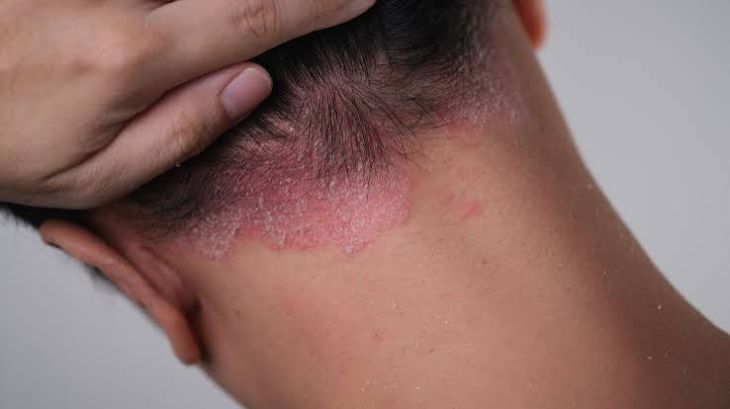
Psoriasis is a chronic autoimmune condition that fundamentally alters how skin cells mature and shed. In a healthy person, skin cells form in the deepest epidermal layer and slowly migrate upward over several weeks before shedding invisibly. For someone with psoriasis, this cellular turnover happens in just a matter of days. As a result, immature cells pile up rapidly on the surface, creating thick, silvery-white scales atop raised, inflamed red plaques.
Systemic Health Implications
Psoriasis extends far beyond surface aesthetics; it is firmly rooted in systemic immune dysfunction. Specialized white blood cells mistakenly attack healthy skin tissues, initiating a widespread inflammatory cascade. Because of this internal inflammation, individuals diagnosed with psoriasis carry a higher statistical risk of developing related medical issues, including psoriatic arthritis, cardiovascular complications, metabolic syndrome, and type 2 diabetes.
When to Consult a Professional
Medical evaluation from a dermatologist or rheumatologist is strongly advised if:
-
Psoriatic plaques cover large portions of the body or cause severe physical discomfort and cracking.
-
You notice joint stiffness, swelling, or persistent pain, which may signal the onset of psoriatic arthritis.
-
Topical remedies no longer control the disease, necessitating advanced systemic medications, biologic injections, or specialized light therapy.
-
The condition heavily impacts your emotional well-being and daily quality of life.
4. Contact Dermatitis: Immune and Irritant Reactions
Contact dermatitis develops when the skin reacts negatively to an external substance, producing an itchy, red, and sometimes blistering rash. There are two primary categories: irritant contact dermatitis, caused by harsh chemicals or physical agents that strip the skin's protective oils (such as industrial solvents or strong detergents), and allergic contact dermatitis, where the immune system mounts a delayed hypersensitivity response to a specific trigger (such as nickel, fragrances, preservatives, or poison ivy).
When to Seek Medical Attention
While mild contact reactions usually fade once the offending substance is washed away and avoided, prompt medical care is required if:
-
The rash covers a substantial portion of the body, the face, the eyes, or sensitive areas.
-
Blisters weep heavily or show signs of secondary infection.
-
Symptoms fail to improve after a week of avoiding suspected triggers and applying cool compresses.
-
An exposure is followed by breathing difficulties or facial swelling, which demands emergency intervention.
Critical Red Flags: When Skin Issues Require Urgent Care
While chronic skin conditions require careful, ongoing management, certain acute presentations act as critical warning signs that necessitate immediate medical evaluation.
Rapidly Spreading Cellulitis
If a localized patch of redness, swelling, and warmth expands rapidly across a limb, accompanied by sharp pain and systemic signs like fever or shaking chills, it may indicate cellulitis. This bacterial infection penetrates deep into the subcutaneous fat and requires prompt intravenous antibiotic therapy.
Widespread Blistering and Mucosal Involvement
The abrupt appearance of a painful, blistering rash that targets both the skin and mucous membranes (such as the lining of the mouth, eyes, or genital tract), accompanied by peeling skin and high fever, represents a true medical emergency. Conditions like Stevens-Johnson syndrome fall into this category and are frequently triggered by adverse drug reactions or infections.
Suspicious Lesions and Changing Moles
Any new skin growth, mole, or sore that shifts in size, shape, or color over a span of weeks or months must be examined professionally. Clinicians evaluate suspicious spots using the ABCDE criteria:
-
Asymmetry: One half of the spot does not mirror the other half.
-
Border irregularity: The edges appear ragged, notched, or poorly defined.
-
Color variation: Pigmentation is uneven, displaying shades of brown, black, tan, red, or white.
-
Diameter: The lesion measures greater than 6 millimeters across, though certain malignancies can occasionally be smaller.
-
Evolving: The growth undergoes noticeable changes in size, shape, elevation, or starts bleeding and itching.
Early detection of skin cancers—including melanoma, basal cell carcinoma, and squamous cell carcinoma—substantially improves long-term prognosis and treatment success.
Conclusion
The skin serves as an intricate mirror of our internal health, registering everything from environmental exposures to complex immune and metabolic processes. Conditions like acne, eczema, psoriasis, and contact dermatitis present daily hurdles for millions of people, balancing proper home care with professional clinical guidance. By understanding the underlying biology of these disorders and staying alert to critical red flags—such as rapid spreading, signs of infection, or changing moles—individuals can ensure they secure timely, effective medical attention, safeguarding both their skin and their long-term health.