How Is Single-Cell Sequencing Revealing New Details About Human Diseases?
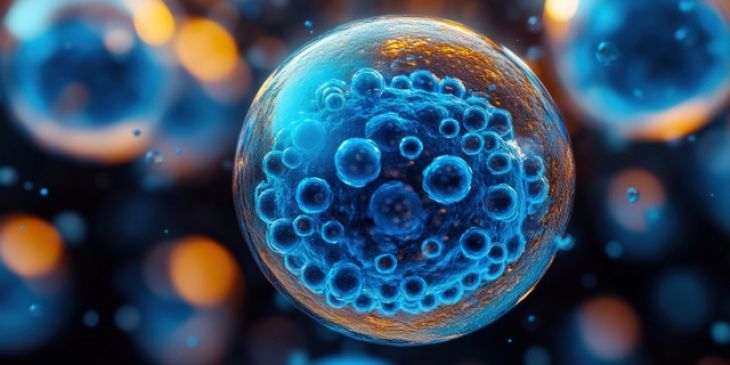
The human body contains trillions of cells, and each cell plays a different role. Even cells that look similar can behave differently, respond to treatments in different ways, or contribute to disease in unique ways.
Traditional research methods often examine groups of cells together. While this approach provides valuable information, it can hide important differences between individual cells.
What Is Single-Cell Sequencing?
Single-cell sequencing is a laboratory technique used to study genetic material from individual cells. Depending on the method, researchers can examine DNA, RNA, or other molecular features.
One widely used method is single-cell RNA sequencing. It measures RNA molecules in individual cells to help scientists understand which genes are active and how cells may be functioning.
For example, a tissue sample may contain several types of immune cells. Studying the entire sample together might reveal general immune activity, but single-cell sequencing can identify distinct cell populations and differences in their activity.
This detailed information helps researchers better understand the complexity of human tissues.
How Does Single-Cell Sequencing Work?
The process generally involves several steps.
Collecting a Sample
Researchers collect a biological sample, such as blood, a tissue sample, or cells grown in a laboratory. The sample depends on the disease or biological process being studied.
Separating Individual Cells
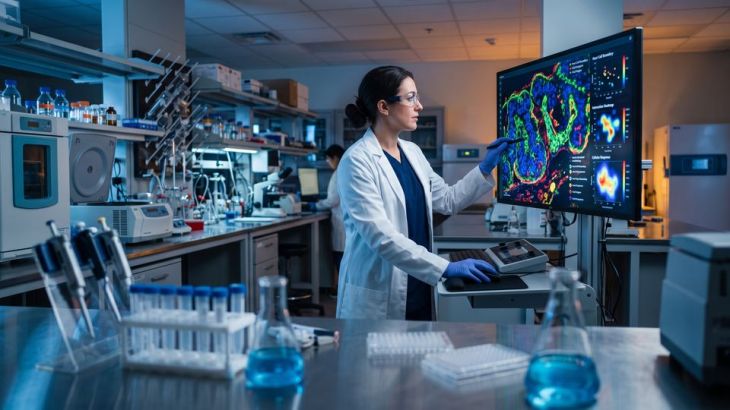
Scientists use specialized laboratory techniques to isolate individual cells or identify their genetic material separately. The goal is to preserve information about each cell rather than combining everything into one measurement.
Analyzing Genetic Material
The laboratory prepares the cells' DNA or RNA for sequencing. A sequencing machine then reads the genetic material and produces large amounts of data.
Using Computer Tools
Specialized software helps researchers organize the data, identify cell types, compare gene activity, and discover patterns. Scientists then interpret and validate these findings using additional experiments or other evidence.
How Is Single-Cell Sequencing Helping Cancer Research?
Cancer tumors often contain different populations of cells. Some cells may grow quickly, while others may interact with the immune system or respond differently to treatment.
Single-cell sequencing helps researchers examine this variation. It can reveal differences between cancer cells within the same tumor and identify immune cells or other cells surrounding them.
This information may help explain why some cancer cells survive treatment or why a tumor responds differently from another tumor of the same type.
Researchers are also studying how cancer changes over time and how resistant cell populations develop. These findings could contribute to future treatment strategies, although single-cell sequencing results do not automatically identify the best treatment for an individual patient.
Can Single-Cell Sequencing Help Scientists Understand Immune Diseases?
The immune system contains many types of cells that protect the body against infections and other threats. When these cells become overactive or fail to work correctly, they may contribute to disease.
Single-cell sequencing allows researchers to examine how immune cells behave during infections, autoimmune conditions, and chronic inflammation.
For example, scientists can investigate which immune cells become active during an inflammatory response and which genes are associated with that activity. This may reveal biological processes that were difficult to detect when studying mixed groups of cells.
Such research could help identify new targets for medicines and improve understanding of immune-related disorders.
What Can It Reveal About Brain Diseases?
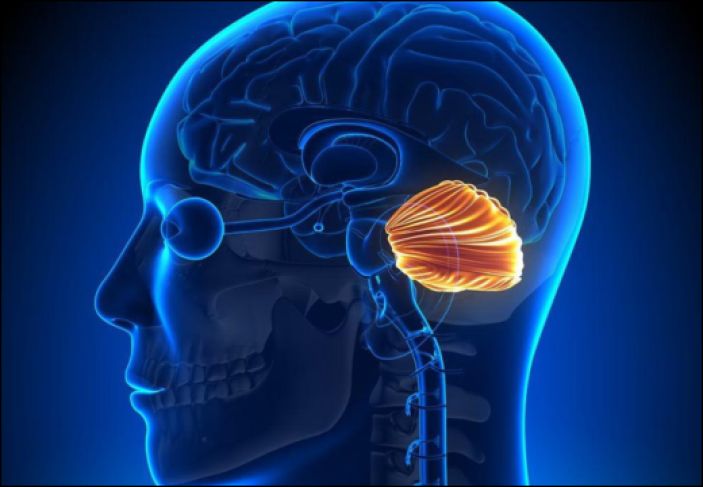
The brain contains neurons, immune cells, and several types of supporting cells. Each has a different role in maintaining brain function.
In conditions such as Alzheimer's disease, Parkinson's disease, and certain brain tumors, some cell populations may change in number or behavior.
Single-cell sequencing helps researchers study these changes at a detailed level. It can reveal differences in gene activity between cell types and show how disease-related processes affect different parts of the brain.
These findings may help scientists understand disease development and investigate potential treatments. However, many applications remain in the research stage.
What Are the Main Benefits of Single-Cell Sequencing?
Single-cell sequencing offers several advantages for medical research:
Detailed cell analysis: It reveals differences that may be hidden when cells are studied in groups.
Better understanding of disease: Scientists can identify cell populations associated with particular biological changes.
Research into treatment resistance: It can help explain why some cells survive certain treatments.
Discovery of potential targets: Researchers may identify genes or cellular processes worth studying for future therapies.
Improved understanding of complex tissues: It helps scientists investigate how different cell types contribute to the same disease.
What Are the Challenges of Single-Cell Sequencing?
Despite its potential, single-cell sequencing has limitations. The technology can be expensive and requires specialized equipment, trained professionals, and advanced data analysis.
Some cells may be lost or damaged during sample preparation. Certain genes may also be difficult to detect, and results can vary depending on the sample and laboratory method.
Another important limitation is that gene activity alone does not always explain what a cell is doing. Researchers often need additional experiments to confirm their findings.
For these reasons, single-cell sequencing is a powerful research tool, but it is not a standalone answer to every medical question.
What Is the Future of Single-Cell Sequencing?
Scientists are combining single-cell sequencing with spatial biology, advanced imaging, and artificial intelligence to build a more complete picture of human tissues.
These approaches may help researchers understand not only which genes are active in individual cells but also where those cells are located and how they interact with their surroundings.
As the technology improves, it may contribute to better disease classification, more detailed research into treatment responses, and the development of personalized medical approaches. Wider use in routine healthcare will depend on evidence, reliability, cost, and clinical validation.
FAQs
What is the difference between DNA sequencing and single-cell RNA sequencing?
DNA sequencing examines genetic information in DNA, while single-cell RNA sequencing measures RNA to help researchers understand which genes are active in individual cells.
Is single-cell sequencing used in cancer research?
Yes. Researchers use it to study differences between cancer cells, investigate the tumor environment, and explore how treatment resistance develops.
Can single-cell sequencing diagnose diseases?
Some sequencing technologies have established clinical uses, but many single-cell methods are still primarily research tools. Whether a particular test can guide diagnosis depends on its validation and intended clinical use.
Why is studying individual cells important?
Cells in the same tissue can have different roles and behaviors. Studying them individually can reveal patterns that may be hidden when many cells are analyzed together.
Can artificial intelligence improve single-cell sequencing?
AI and other computational methods can help analyze large datasets, identify cell populations, and detect patterns. Researchers must still validate the results to ensure that the conclusions are reliable.
Conclusion
Single-cell sequencing is changing how scientists study human diseases by revealing differences between individual cells. It is providing new insights into cancer, immune system disorders, brain diseases, and other complex conditions. Although cost, data quality, and clinical validation remain important challenges, this technology is helping researchers uncover biological details that traditional methods may miss. Continued advances could lead to a deeper understanding of disease and new possibilities for future diagnosis and treatment.