The Potential of mRNA Technology Beyond Vaccines
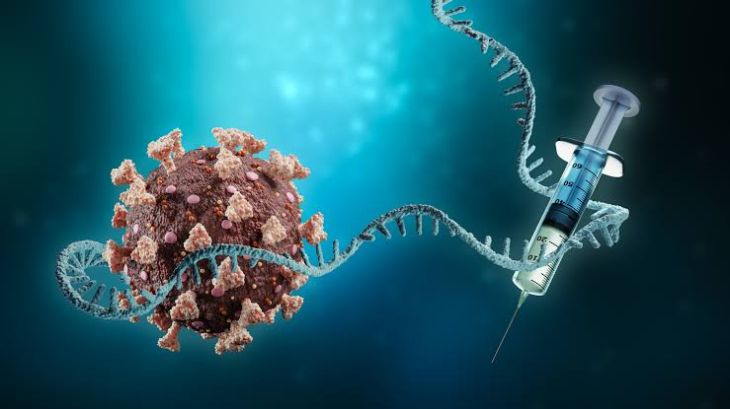
Messenger RNA, commonly known as mRNA, gained widespread attention after mRNA-based COVID-19 vaccines showed how genetic instructions can be delivered into cells to make a specific protein.
However, the underlying technology has the potential to do much more than just fight infectious diseases.Scientists are looking into using mRNA as a temporary system to guide cells to make therapeutic proteins, boost targeted immune responses, support regenerative medicine, and help in gene-editing techniques.Recent studies have found many clinical trials exploring the use of mRNA in these areas, including protein replacement, therapeutic antibodies, cancer treatment, and cell or gene therapies.(PubMed Central (PMC)) One reason mRNA is appealing is its flexibility.Unlike permanently changing DNA, an mRNA medicine gives temporary instructions to cells to make a specific protein.This feature allows researchers to create a versatile platform for developing treatments.However, there are still important challenges, like making mRNA stable, delivering it to specific tissues, managing immune reactions, determining the right dosage, and manufacturing it efficiently.(Nature)
mRNA Could Help Cells Produce Missing or Needed Proteins
One promising area is protein replacement therapy.
Some diseases happen because the body doesn’t make enough of a particular protein, enzyme, hormone, or other molecule.Traditional treatment might involve giving the missing substance from outside the body.Researchers are now exploring whether mRNA could instead give cells temporary instructions to make the needed protein themselves.In this method, scientists design an mRNA sequence that tells the cell how to make a therapeutic protein.The mRNA is then delivered into the right cells, where it can be used to make that protein.Since mRNA usually works in the cell’s cytoplasm and doesn’t permanently change the genome, many researchers see it as a great temporary tool for various treatments.(PubMed Central (PMC)) Possible uses under investigation include inherited diseases caused by a lack of protein production and conditions where extra biological factors may help tissue function.
mRNA Is Being Explored as a Tool for Cancer Treatment
Cancer research is another major area where mRNA technology is being studied.
Scientists are looking at ways mRNA can help the immune system recognize tumors or allow cells to make proteins that can treat cancer.Cancer treatment is especially well-suited for personalized strategies because tumors can have different features from one patient to another.One approach involves creating mRNA that carries instructions for tumor-specific or patient-specific antigens.The goal is to trigger an immune response that targets cancer cells and helps the body fight abnormal cells.Research into custom cancer vaccines has become an important part of the broader mRNA development field.(PubMed Central (PMC)) Another experimental method uses mRNA to make therapeutic proteins directly inside the cells.Scientists have looked into mRNA that makes immune-modulating molecules, cytokines, and other factors that might affect the tumor environment.Preclinical studies have also examined mRNA approaches to restore proteins that are missing and contribute to cancer development.
mRNA Could Support Gene Editing and Other Advanced Therapies
The temporary nature of mRNA also makes it useful for gene-editing tools.
Instead of making a permanent change to DNA using a long-lasting genetic construct, researchers can use mRNA to instruct cells to briefly produce proteins involved in genome editing, such as the Cas9 enzyme used in CRISPR systems.The cell can make the editing machinery for a short time, after which the mRNA breaks down naturally.This idea has gained interest for inherited diseases caused by harmful genetic changes.Scientists are investigating whether using temporary mRNA could help target specific genes for molecular editing.Clinical and preclinical research has also looked into mRNA-based approaches for cell therapies and immune-cell engineering.(PubMed Central (PMC)) Another area is therapeutic antibodies.Instead of making an antibody outside the body and then giving it to a patient, scientists are exploring whether mRNA can tell a person's cells to make the needed antibody temporarily.This could provide a new way to deliver certain biological medicines and possibly simplify the manufacturing process.
Delivery, Safety, and Manufacturing Will Determine Future Success
The biggest challenge for many mRNA applications isn't just creating the genetic instructions—it's getting those instructions to the right cells in the right amount and for the right amount of time.
mRNA is quite delicate and can break down easily in the body.To protect it and help it get into cells, scientists use delivery methods like lipid nanoparticles and other special formulations.(PubMed Central (PMC)) They're also working on improving how well these methods target specific tissues.A delivery system that works well for a vaccine might not be the best choice for a treatment that needs to reach a certain organ or cell type.Recent studies have looked into ways to improve delivery beyond the liver and get the mRNA to tissues like the lungs or spleen.(PubMed Central (PMC)) Safety is another big concern.For some treatments, triggering the immune system can be helpful, but for things like protein replacement or gene editing, unwanted immune reactions can be harmful.So, researchers have to carefully balance immune effects, the right dose, the length of time the mRNA is active, and how well it works for each treatment goal.
Conclusion
mRNA technology has the potential to do much more than just create vaccines.
It could be used in cancer treatment, protein replacement, gene editing, antibody production, and regenerative medicine.Its flexible and temporary nature lets scientists influence cell activity without making lasting genetic changes.(PubMed Central (PMC)) The technology is still evolving, and many of its potential uses are still in the experimental stage.Major challenges include keeping mRNA from breaking down, delivering it to the right tissues, managing immune responses, making sure enough protein is produced, and ensuring consistent manufacturing.(PubMed Central (PMC)) Despite these challenges, progress in RNA design, lipid nanoparticles, targeted delivery, and molecular biology is opening up new possibilities.Research is now focusing more on personalized cancer treatments, short-term protein production, and mRNA-based cell and gene therapies.