How Could Personalized Cancer Vaccines Transform Cancer Care?
Cancer treatment has changed greatly over the years. Doctors now have more options than surgery, chemotherapy, and radiation therapy. One area that is getting a lot of attention is personalized cancer vaccines.
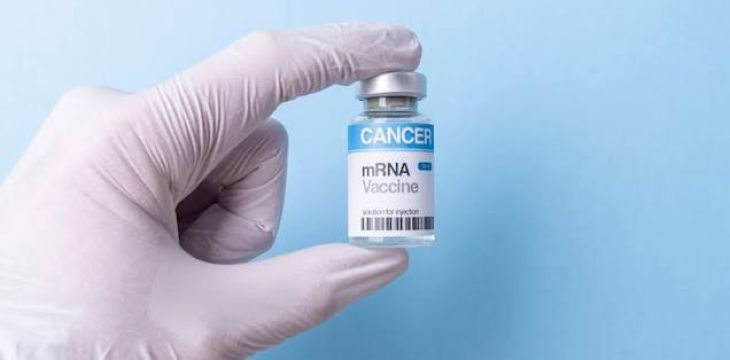
These vaccines are being developed to help the immune system recognize and attack cancer cells. Unlike vaccines that prevent infections, cancer vaccines are designed to help treat cancer or reduce the chance of it returning.
What Are Personalized Cancer Vaccines?
Personalized cancer vaccines are treatments made to match the unique features of a person's cancer.
Cancer cells can contain unusual proteins or markers that are different from healthy cells. Doctors and researchers can study a patient's tumor to identify these changes. A vaccine can then be designed to help the immune system recognize those specific cancer features.
The goal is to make the immune response more focused on cancer cells.
How Do Personalized Cancer Vaccines Work?
The process usually starts by collecting a sample of the patient's tumor. Scientists study the genetic information in the cancer cells and look for changes that could help the immune system identify the tumor.
Researchers then use this information to create a vaccine that teaches immune cells what to look for.
After the vaccine is given, the immune system may produce a stronger response against cells carrying the targeted cancer markers.
This approach is part of a larger field called cancer immunotherapy, which uses the body's immune system to fight cancer.
How Are They Different From Traditional Cancer Vaccines?
Some cancer vaccines are designed to prevent cancer by protecting against infections that can lead to cancer. For example, the HPV vaccine helps prevent infections linked to several types of cancer.
Personalized cancer vaccines are different. They are generally designed using information from an existing tumor and are being studied as treatments for people who already have cancer.
This means they are not simply one vaccine that works for everyone. Instead, researchers are trying to create treatments that are matched to individual tumors.
Could They Make Cancer Treatment More Precise?
One major potential benefit is greater treatment precision.
Traditional treatments can affect both cancerous and healthy cells. Personalized cancer vaccines aim to direct the immune system toward specific features found in cancer cells.
If successful, this could help doctors develop treatments that are better matched to a patient's individual cancer.
However, personalized vaccines are still being studied, and their effectiveness can vary depending on the type and stage of cancer.
Could Personalized Vaccines Help Prevent Cancer From Returning?
Researchers are also studying whether personalized cancer vaccines can reduce the risk of cancer coming back after initial treatment.
Even after surgery or other treatment removes visible cancer, a small number of cancer cells may sometimes remain in the body. These cells can potentially grow later.
A personalized vaccine may help the immune system recognize and attack remaining cancer cells. Clinical trials are investigating this possibility in several types of cancer.
What Role Does Genetic Testing Play?
Genetic information is an important part of creating many personalized cancer vaccines.
Scientists can examine the DNA of tumor cells and compare it with healthy cells. This can help identify mutations that are unique to the tumor.
Advanced laboratory methods can then be used to select promising targets for the vaccine.
This process may become faster and more efficient as technology continues to improve.
What Are the Challenges?
Personalized cancer vaccines also have challenges.
Creating an individual vaccine can take time and may be expensive. Cancer is also complex, and tumors can change as they grow. A target that appears useful at one point may not be present in every cancer cell.
Another challenge is that the immune system does not respond to every cancer in the same way.
Researchers are continuing to study how personalized vaccines can be combined with other treatments to produce stronger results.
What Could the Future of Personalized Cancer Vaccines Look Like?
The future could involve cancer treatment plans designed around the unique biology of each patient's tumor.
Personalized vaccines may potentially be combined with treatments such as immunotherapy, targeted therapy, chemotherapy, or surgery.
As researchers learn more about cancer genetics and the immune system, vaccine development may become quicker and more precise.
Still, more research and clinical trials are needed before personalized cancer vaccines become a standard treatment for many cancers.
FAQs
Are personalized cancer vaccines available for everyone?
No. Many personalized cancer vaccines are still being studied in clinical trials. Availability depends on the specific cancer, treatment program, and country.
Are cancer vaccines the same as vaccines for infections?
No. Vaccines such as those used against HPV are designed to prevent certain infections and related cancers. Personalized cancer vaccines are being developed to help the immune system fight existing cancer.
Can personalized cancer vaccines cure cancer?
Researchers are studying their potential, but they cannot currently be considered a universal cure for cancer. Results can vary based on the type and characteristics of the cancer.
Do personalized cancer vaccines have side effects?
They can. Possible side effects depend on the specific vaccine and treatment combination. Doctors monitor patients closely during clinical trials and treatment.
Why are personalized cancer vaccines important?
They could provide a more individualized approach to cancer care by targeting features that are specific to a patient's tumor.
Conclusion
Personalized cancer vaccines represent an exciting area of cancer research. By using information from an individual's tumor, these treatments aim to help the immune system recognize and fight cancer more precisely.
Although researchers have made progress, personalized cancer vaccines are still being studied, and many questions remain. Continued research and clinical trials will help determine how effective these treatments can be and which patients may benefit most.