How Could Nanotechnology Revolutionize Cancer Treatment?
Cancer treatment has changed greatly over the years, but many treatments can still affect healthy cells along with cancer cells. Researchers are therefore looking for better ways to find and treat cancer while causing fewer unwanted effects. Nanotechnology is one area that could help.
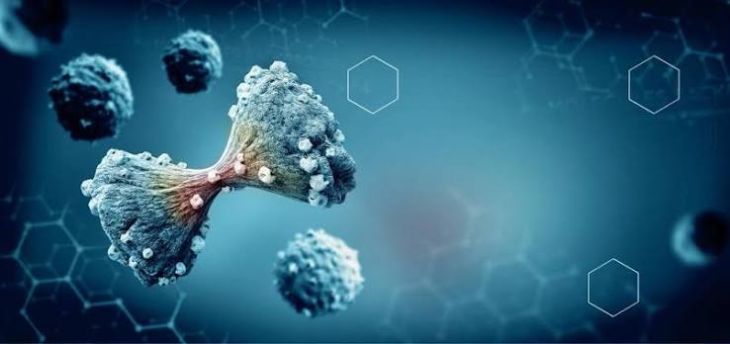
Nanotechnology involves working with extremely small materials and structures. In cancer research, scientists are studying how these tiny particles can carry medicines, help doctors find tumors, and deliver treatment more directly to cancer cells.
What Is Nanotechnology?
Nanotechnology involves materials that are extremely small, often measured in nanometers. A nanometer is much smaller than the width of a human hair.
At this tiny scale, materials can have special properties that make them useful in medicine.
Scientists can design nanoparticles to carry medicines or other substances. These particles may be engineered to interact with specific cells or tissues.
In cancer treatment, researchers are studying how nanoparticles can help deliver drugs to tumors while limiting exposure to healthy tissue.
How Can Nanotechnology Help Treat Cancer?
One of the main goals is to improve drug delivery.
Traditional cancer medicines travel through the body after they are taken or injected. They may reach cancer cells, but they can also affect healthy cells. This can contribute to side effects.
Nanoparticles can act as tiny carriers for certain medicines. Researchers can design them to transport a drug through the body and release it under specific conditions.
Can Nanotechnology Target Cancer Cells?
Scientists are exploring ways to make nanoparticles recognize features found on cancer cells.
Some nanoparticles can be attached to molecules that recognize certain proteins or markers on tumor cells. The idea is that the particles may be more likely to reach or interact with cancer cells.
However, this does not mean nanoparticles can perfectly distinguish every cancer cell from every healthy cell. Cancer is very complex, and tumors can vary greatly between patients.
Researchers are continuing to study how targeting can be improved.
How Could Nanotechnology Reduce Side Effects?
Cancer treatments can cause side effects because they may affect healthy cells as well as cancer cells.
More targeted drug delivery could potentially reduce the amount of medicine that reaches healthy tissues.
For example, if a nanoparticle carries a chemotherapy drug and releases more of the drug near a tumor, researchers may be able to improve how the treatment is delivered.
This does not mean nanotechnology eliminates side effects. Nanoparticle-based treatments can have their own risks, and their safety must be carefully evaluated.
Can Nanotechnology Improve Chemotherapy?
Nanotechnology is being studied as a way to improve chemotherapy delivery.
Some nanoparticle systems can carry chemotherapy medicines and change how those medicines are distributed in the body. This may help keep the drug in circulation for longer or increase its delivery to certain tissues.
Some nanoparticle-based chemotherapy medicines have already been developed and approved for medical use.
However, the benefits depend on the specific medicine, cancer type, and nanoparticle system being used.
Can Nanotechnology Help Find Cancer Earlier?
Nanotechnology may also have a role in cancer detection.
Researchers are studying nanoparticles that can interact with cancer-related molecules or help make tumors easier to see during medical imaging.
In the future, tiny particles could potentially help doctors identify biological changes associated with cancer before a tumor becomes large enough to detect using some traditional methods.
This area is still under investigation, and more research is needed before many of these techniques can become routine.
Could Nanotechnology Help With Cancer Imaging?
Yes. Some nanoparticles are being studied as imaging agents.
They may help doctors see tumors more clearly during certain imaging procedures. Better imaging could help medical teams understand the location and size of a tumor and determine whether treatment is working.
Improved imaging may also help doctors plan surgery or other treatments more precisely.
Can Nanotechnology Be Used With Other Cancer Treatments?
Nanotechnology does not have to be used alone.
Researchers are studying combinations of nanoparticles with chemotherapy, radiation therapy, immunotherapy, and other cancer treatments.
For example, nanoparticles may potentially deliver substances that help cancer cells become more sensitive to another treatment.
Combining different approaches could eventually provide more effective treatment for some cancers.
What Are the Challenges of Nanotechnology?
Nanotechnology has significant potential, but there are still challenges.
Scientists need to understand how nanoparticles behave inside the human body, how long they remain there, and how they are removed.
Researchers also need to make sure that nanoparticle treatments are safe and can be manufactured consistently.
Another challenge is that tumors are different from one person to another. A nanoparticle designed to target one type of cancer may not work in the same way for another type.
Large and arefully designed clinical studies are needed to determine which approaches are safe and effective.
FAQs
What is nanotechnology in cancer treatment?
It is the use of extremely small materials, such as nanoparticles, to help detect cancer or deliver medicines and other treatments.
Can nanotechnology cure cancer?
Nanotechnology is not a cure for cancer by itself. It is being developed as a tool that may improve how certain cancer treatments are delivered and used.
Can nanoparticles deliver chemotherapy?
Yes. Some nanoparticle-based medicines are designed to carry chemotherapy drugs and change how those drugs move through the body.
Can nanotechnology reduce cancer treatment side effects?
It may reduce some side effects by helping deliver medicines more selectively, but nanoparticle treatments can still cause side effects and must be carefully tested.
Is nanotechnology currently used in cancer treatment?
Yes. Some nanoparticle-based cancer medicines are already approved and used. Many other nanotechnology approaches remain in research and clinical development.
Conclusion
Nanotechnology could change cancer treatment by providing new ways to deliver medicines, detect tumors, improve imaging, and combine different treatments.
Nanoparticles can act as tiny carriers that may help deliver drugs closer to cancer cells. Some nanotechnology-based treatments are already available, while many other applications are still being studied.