Understanding Lymphatic System Disorders and Their Warning Signs
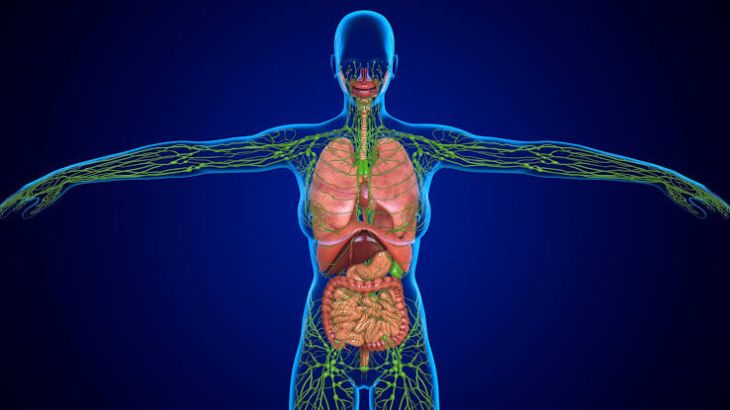
Comprising a vast web of delicate lymphatic capillaries, collecting vessels, lymph nodes, the spleen, thymus, and tonsils, this system fulfills two critical physiological functions. First, it drains excess interstitial fluid from tissue spaces, filtering it and returning it safely to the bloodstream. Second, it serves as a frontline immune surveillance network, housing specialized white blood cells that identify and neutralize pathogens, toxins, and abnormal cells. When disruptions occur within this intricate network—whether due to blockages, infections, or cellular malignancies—the resulting lymphatic disorders can compromise fluid balance and undermine immune defense, producing distinct clinical warning signs.
Lymphedema and Fluid Obstruction
Lymphedema is a chronic, progressive condition characterized by localized swelling—most frequently in the arms or legs—caused by a blockage or impairment within the lymphatic drainage pathways. This condition is broadly divided into primary lymphedema, resulting from congenital developmental abnormalities of the lymphatic vessels, and secondary lymphedema, which is much more common and typically triggered by surgical removal of lymph nodes, radiation therapy for cancer, or severe physical trauma. As obstructed lymphatic fluid accumulates in the interstitial spaces, it induces chronic inflammation, progressive tissue fibrosis, and skin thickening. Patients experience a persistent heavy feeling in the affected limb, restricted range of motion, recurrent skin infections (cellulitis), and noticeable swelling that worsens over time, highlighting the critical importance of early compression therapy and specialized massage techniques.
Lymphadenopathy and Infectious Responses
Lymphadenopathy refers to the abnormal enlargement, tenderness, or hardening of one or more lymph nodes throughout the body, serving as a classic physical warning sign that the immune system is actively fighting an underlying threat. Because lymph nodes act as specialized filtering stations where white blood cells congregate to intercept pathogens, localized infections like strep throat, dental abscesses, or skin wounds cause nearby regional nodes to swell as they ramp up immune activity. Systemic infections such as infectious mononucleosis, tuberculosis, or viral illnesses can trigger generalized lymphadenopathy accompanied by fever, night sweats, and profound fatigue. While tender, reactive nodes typically shrink once the primary infection clears, persistent, painless, and rock-hard lymph nodes require immediate clinical investigation to rule out more serious underlying pathologies.
Lymphoma and Malignant Cellular Proliferations
Lymphoma represents a group of blood cancers that originate within the lymphocytes—the specialized white blood cells housed inside the lymphatic system—primarily categorized into Hodgkin lymphoma and non-Hodgkin lymphoma. In these malignant conditions, abnormal lymphocytes begin to multiply uncontrollably, crowding into lymph nodes, the spleen, bone marrow, and other organs, causing painless, progressive enlargement of lymph nodes in the neck, armpits, or groin. Patients frequently experience classic systemic "B symptoms," which include unexplained persistent fevers, drenching nighttime sweats, and significant, unintentional weight loss, alongside profound fatigue and generalized itching. Advanced diagnostic evaluations involving excisional lymph node biopsies, imaging scans, and bone marrow analyses are essential for determining the specific subtype, staging the disease, and guiding targeted chemotherapy, immunotherapy, or radiation protocols.
Splenomegaly and Secondary Organ Involvement
Splenomegaly is the abnormal enlargement of the spleen, a fist-sized secondary lymphoid organ situated in the upper left abdomen that filters blood, recycles old red blood cells, and mounts immune responses. Because the spleen is intricately connected to the lymphatic and circulatory systems, it can become enlarged due to a wide variety of underlying conditions, including severe viral or bacterial infections, portal hypertension resulting from liver cirrhosis, hemolytic anemias, and hematologic malignancies like leukemia or lymphoma. As the spleen swells beyond its normal dimensions, it begins to sequester blood cells too rapidly, leading to conditions like hypersplenism where red blood cells, white blood cells, and platelets are depleted. Patients often feel a sense of fullness or dull pain in the upper left abdomen, experience early satiety from stomach compression, and show an increased vulnerability to infections or easy bruising.
Lymphangitis and Acute Vascular Inflammation
Lymphangitis is an acute, painful inflammation of the lymphatic channels, typically resulting from bacterial pathogens—most commonly streptococci or staphylococci—that breach the skin barrier and invade nearby superficial lymphatic vessels. This condition frequently manifests as a complication of an untreated skin wound, cellulitis, or infected blister. Clinically, lymphangitis is characterized by distinct, tender, red streaks that trace visibly beneath the skin extending from the site of infection toward regional lymph nodes, accompanied by systemic symptoms such as high fever, chills, rapid heart rate, and throbbing pain. Because bacteria can rapidly enter the bloodstream through these inflamed channels and precipitate life-threatening sepsis, acute lymphangitis requires urgent medical evaluation and prompt administration of targeted intravenous or oral antibiotic therapies.
Conclusion
Lymphatic system disorders encompass a diverse range of fluid drainage failures, reactive immune responses, malignant growths, and acute vascular inflammations that can significantly impair overall health and immune function. Recognizing the early warning signs associated with conditions like lymphedema, reactive lymphadenopathy, lymphoma, splenomegaly, and lymphangitis is essential for securing timely clinical evaluations. Through careful physical examination, advanced imaging, and specialized medical interventions, patients can effectively manage lymphatic pathologies, control chronic inflammation, and protect their long-term physiological well-being.