How Could Liquid Biopsy Technology Make Cancer Detection Faster?
Finding cancer early can give doctors more opportunities to treat the disease. However, some cancers can be difficult to detect before symptoms appear. Traditional biopsies usually require doctors to remove a small piece of tissue from a tumor for testing.
Liquid biopsy technology offers another approach. Instead of taking tissue directly from a tumor, liquid biopsy can look for cancer-related material in body fluids, especially blood. Researchers are studying how this technology could make cancer detection faster, easier, and less invasive.
What Is a Liquid Biopsy?
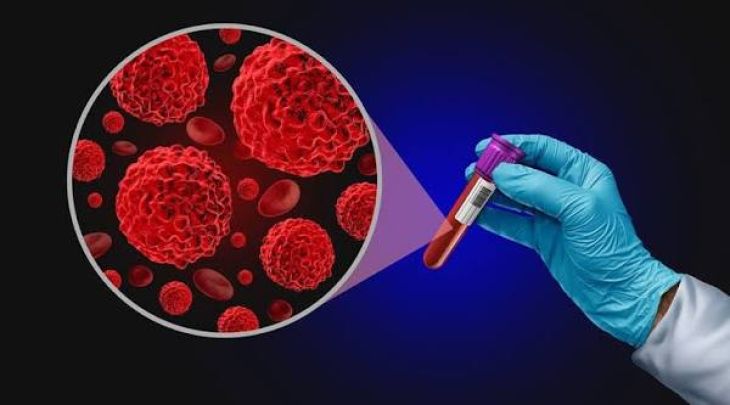
A liquid biopsy is a test that looks for signs of cancer in a sample of body fluid. Blood is the most commonly studied sample.
Cancer cells can release tiny pieces of genetic material, proteins, and other substances into the bloodstream. Scientists can examine these materials to look for changes that may be linked to cancer.
Unlike a traditional biopsy, a liquid biopsy does not usually require a needle or surgical procedure to remove a piece of the tumor.
How Does Liquid Biopsy Work?
The process usually starts with a blood sample. Scientists then use laboratory techniques to search for cancer-related material.
One important target is circulating tumor DNA, often called ctDNA. This is DNA that comes from cancer cells and enters the bloodstream.
Researchers may also study circulating tumor cells, proteins, and other biological signals.
If cancer-related changes are found, doctors may use the information along with other tests to better understand what is happening in the body.
Could Liquid Biopsy Detect Cancer Earlier?
One of the biggest areas of research is early cancer detection.
Some cancers may not cause noticeable symptoms during their early stages. Researchers are studying whether liquid biopsies can identify cancer-related signals before the disease becomes more advanced.
Scientists are also exploring tests that can look for signals from several types of cancer using one blood sample.
However, these tests are still being studied. Detecting a cancer signal does not always mean that a person has cancer, and more testing may be needed to confirm the result.
Why Could Liquid Biopsy Be Faster?
Traditional tissue biopsies can involve several steps, including collecting tissue, preparing the sample, and examining it in a laboratory.
Liquid biopsy only requires a sample of body fluid, which may make sample collection easier and less invasive.
In some situations, liquid biopsy may also provide information about a tumor without requiring doctors to reach the tumor directly.
The speed of testing depends on the specific test, laboratory, and healthcare system, so liquid biopsy is not automatically faster in every situation.
Can Liquid Biopsy Help Monitor Cancer?
Liquid biopsy may also be useful after a person has been diagnosed with cancer.
Doctors and researchers are studying whether changes in ctDNA and other tumor-related signals can show how a cancer is responding to treatment.
For example, a decrease in certain cancer-related signals might provide information about how a tumor is responding. An increase could potentially suggest that cancer is becoming active again.
This area is still developing, and liquid biopsy results must be interpreted carefully.
Could It Help Find Cancer Recurrence?
Researchers are studying whether liquid biopsy can help identify signs that cancer has returned after treatment.
A blood test could potentially detect small amounts of cancer-related material before a tumor becomes visible through imaging.
This could give doctors another tool for monitoring patients. However, more research is needed to determine how accurately these tests can predict recurrence and whether using them improves patient outcomes.
What Are the Benefits of Liquid Biopsy?
Liquid biopsy technology has several potential advantages:
-
It usually requires only a blood sample.
-
It can be less invasive than a tissue biopsy.
-
Samples can potentially be collected more easily.
-
It may provide information about changes in a tumor over time.
-
Researchers are exploring its use for early cancer detection and monitoring.
These benefits make liquid biopsy an important area of cancer research.
What Are the Challenges?
Liquid biopsy also has limitations.
Early-stage tumors may release very small amounts of cancer-related material into the blood. This can make detection difficult.
There is also a risk of false-positive or false-negative results. A test may detect a signal that is not caused by cancer, or it may fail to detect cancer when it is present.
For this reason, liquid biopsy cannot currently replace all standard cancer screening or diagnostic methods.
FAQs
Is a liquid biopsy the same as a regular biopsy?
No. A regular biopsy usually involves removing a small piece of tissue from the body. A liquid biopsy generally uses a body-fluid sample, such as blood, to look for cancer-related material.
Can a liquid biopsy confirm cancer?
Not necessarily. A liquid biopsy result may provide useful information, but doctors may need other tests, such as imaging or a tissue biopsy, to confirm a cancer diagnosis.
Is liquid biopsy painful?
Because it generally involves collecting blood, the procedure is usually much less invasive than removing tissue from a tumor.
Can liquid biopsy detect all cancers?
No. Liquid biopsy does not currently detect every cancer reliably. Researchers are working to improve its ability to detect different cancer types, especially at early stages.
Is liquid biopsy available for cancer patients today?
Some liquid biopsy tests are already used for specific purposes, including certain treatment decisions. Other uses, particularly broad early cancer screening, are still being researched.
Conclusion
Liquid biopsy technology could change how doctors detect and monitor cancer. By studying cancer-related DNA, cells, proteins, and other signals in blood, researchers hope to develop faster and less invasive ways to gather important information about cancer.
Although the technology is promising, it still has limitations and cannot replace every existing cancer test. Continued research may help make liquid biopsies more accurate and useful, potentially making early cancer detection and cancer monitoring easier in the future.