How Could Lab-on-a-Chip Technology Make Certain Medical Tests Faster?
Medical tests help doctors understand what is happening inside the body. They are used to detect infections, check blood sugar levels, identify health problems, and monitor treatment. However, some laboratory tests require special equipment, trained staff, and several hours or even days to produce results.
Scientists are developing a technology called lab-on-a-chip that could make certain medical tests faster and more convenient. It uses tiny devices to perform laboratory processes with very small amounts of blood, saliva, or other samples.
What Is Lab-on-a-Chip Technology?
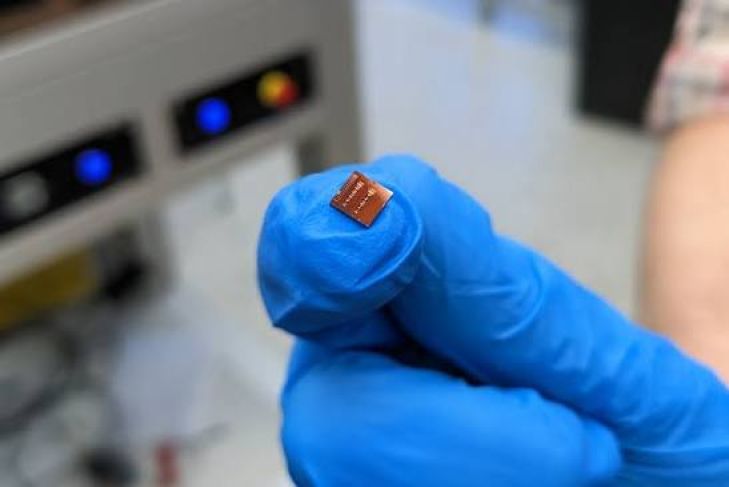
Lab-on-a-chip technology involves placing several laboratory functions onto a small device, sometimes no larger than a credit card or a small plastic chip.
These devices contain tiny channels and chambers that move and process liquid samples. This technology is closely connected to a field called microfluidics, which studies how very small amounts of liquid behave and move through narrow spaces.
A single chip may be designed to prepare a sample, mix it with chemicals, detect specific substances, and produce a result.
Instead of using several large laboratory machines, certain testing steps can take place inside one compact device.
How Does Lab-on-a-Chip Technology Work?
The process depends on the type of test, but most devices follow a few basic steps.
Collecting a Small Sample
The process begins with a small amount of blood, saliva, urine, or another biological sample. Some devices are designed to work with only a tiny drop of liquid.
Moving the Sample Through Microchannels
The sample enters narrow channels inside the chip. These channels guide the liquid toward different testing areas.
Detecting Specific Substances
The device may contain chemical sensors, biological materials, or other components that react with substances in the sample.
For example, a chip may be designed to detect genetic material from a virus or identify certain proteins linked to a disease.
Producing the Result
Sensors and electronic components collect information from the testing process. Depending on the device, the result may appear on a connected screen or be sent to a computer.
Some systems can provide results within minutes, although testing time varies depending on the medical condition and technology being used.
Which Medical Tests Could Become Faster?
Researchers are exploring lab-on-a-chip technology for several areas of healthcare.
Infectious Disease Testing
Detecting infections quickly can help doctors make treatment decisions sooner. Lab-on-a-chip devices are being studied for identifying viruses, bacteria, and other infectious organisms.
Some systems use molecular testing methods to detect genetic material from pathogens. Others look for specific proteins or immune responses.
These devices could eventually make certain infection tests available in clinics, emergency departments, and remote healthcare settings.
Blood Testing
Blood samples provide important information about a person's health. Traditional laboratory testing may involve sending samples through several processing stages.
Lab-on-a-chip devices could perform selected blood tests using smaller sample volumes. Researchers are studying their use for checking blood cells, proteins, and other substances.
However, they cannot currently replace every type of routine blood test.
Cancer Detection Research
Scientists are investigating whether microfluidic chips can identify cancer-related biomarkers in blood and other samples.
Some devices are designed to capture circulating tumor cells or detect specific molecules associated with cancer. These technologies may eventually contribute to earlier detection and treatment monitoring.
However, many cancer-related applications remain under research and require clinical validation before they can be used for routine diagnosis.
Diabetes Monitoring
Some lab-on-a-chip systems are being developed to measure glucose and other substances in small biological samples.
Such devices could potentially make selected tests more convenient. However, their accuracy and suitability depend on the specific system, and they should not replace approved diabetes monitoring methods unless clinically validated for that purpose.
Genetic Testing
Microfluidic devices can combine sample preparation and genetic analysis in a compact system. Researchers are exploring their use for detecting specific genetic changes and identifying infectious organisms.
This may make certain molecular tests faster and more accessible in the future.
What Are the Benefits of Lab-on-a-Chip Technology?
Lab-on-a-chip technology could offer several advantages for medical testing.
Smaller sample requirements: Many devices can work with tiny amounts of blood or other body fluids.
Faster testing: Combining several laboratory steps into one device may reduce the time needed for selected tests.
Portable equipment: Compact systems could make testing possible in smaller clinics and remote locations.
Reduced sample handling: Some devices can perform multiple steps inside a single chip, reducing the need to transfer samples between different containers.
Potentially lower costs: Mass production may make certain tests more affordable, although actual costs depend on the device and testing process.
More accessible healthcare: Portable testing systems could help bring selected diagnostic services closer to communities with limited laboratory facilities.
What Challenges Must Scientists Overcome?
Despite its potential, lab-on-a-chip technology still faces several challenges.
Testing accuracy: Devices must provide reliable results across different patient samples and testing conditions.
Sample preparation: Blood and other biological samples can contain substances that interfere with testing. Removing or managing these substances can be difficult.
Device manufacturing: Producing tiny channels and sensors with consistent quality requires specialized manufacturing methods.
Clinical validation: Each medical test must be carefully evaluated to confirm that it is safe, accurate, and useful for patients.
Cost and availability: Some advanced chips and testing systems can be expensive to develop and manufacture.
Ease of use: Devices intended for clinics or home testing must be simple enough for users to operate correctly.
What Is the Future of Lab-on-a-Chip Technology?
The future of lab-on-a-chip technology may involve combining microfluidics with artificial intelligence, biosensors, and wireless communication.
Artificial intelligence could help analyze testing information, while connected devices may allow results to be shared securely with healthcare professionals.
Researchers are also working on chips that can perform several tests using one sample. Such systems could eventually help doctors investigate multiple health conditions more efficiently.
However, not every laboratory test can be reduced to a tiny chip. Complex diseases may still require advanced imaging, specialist examinations, and detailed laboratory analysis.
FAQs
Can lab-on-a-chip devices provide medical test results within minutes?
Some devices can produce results within minutes, but testing time depends on the sample, disease being investigated, and technology used.
Do lab-on-a-chip devices require large blood samples?
Many systems are designed to use very small sample volumes. Some can work with only a drop of blood or a small amount of another body fluid.
Can lab-on-a-chip technology detect cancer?
Researchers are studying its use for detecting cancer-related biomarkers and circulating tumor cells. However, most applications are still being evaluated and are not replacements for established cancer screening or diagnostic methods.
Can these devices be used at home?
Some compact diagnostic devices are designed for use outside traditional laboratories. However, home use depends on the specific test, regulatory approval, and whether professional interpretation is required.
Conclusion
Lab-on-a-chip technology could make certain medical tests faster, more portable, and less dependent on large laboratory equipment. By combining tiny channels, sensors, and testing processes, these devices can analyze small biological samples in compact systems.
Researchers are exploring applications in infection detection, blood testing, cancer research, diabetes monitoring, and genetic analysis. Although challenges involving accuracy, manufacturing, and clinical validation remain, continued development may make selected medical tests more accessible and convenient in the future.