What Is Huntington’s Disease and How Does It Affect the Brain?
Huntington's condition represents a complex, inherited degenerative disorder that progressively alters central nervous system architecture over time. Across decades of clinical research, medical science has mapped how this hereditary pathology disrupts physical coordination, cognitive processing capacity, and emotional stability. Because the underlying genetic trait follows a dominant inheritance pattern, understanding its biological pathways and structural consequences remains essential for families navigating the diagnosis, as well as for clinicians developing personalized management protocols. While initial physical or psychological indicators typically surface during middle adulthood, juvenile manifestations can occasionally emerge earlier in life, presenting unique diagnostic considerations. Although curative interventions capable of reversing neuronal loss are still under active development, modern multidisciplinary care provides substantial support to preserve functional independence and enhance overall daily well-being for patients and their families.
The Genetic Blueprint: Trinucleotide Repeat Expansion
To comprehend how this disorder impacts cerebral tissue, examining the foundational genetic material is necessary. The pathology stems from a specific alteration within the HTT gene, which normally encodes instructions for synthesizing the huntingtin protein. While the physiological roles of this protein involve cellular survival and intracellular transport, an abnormal expansion alters its structure significantly. In typical genetic profiles, a particular DNA segment—consisting of cytosine, adenine, and guanine—repeats between ten and thirty-five times. However, individuals inheriting forty or more of these specialized repeats develop the pathogenic variant. This expansion yields an elongated, misfolded protein that eventually fragments into toxic byproducts. These molecular fragments accumulate within neurons, disrupting internal energy metabolism, impairing cellular cleanup mechanisms, and ultimately initiating programmed cell death pathways across sensitive neural circuits. This process is cumulative, meaning the longer the repeat expansion, the earlier the onset often occurs, a phenomenon known as genetic anticipation.
Structural Degeneration Within Deep Brain Networks
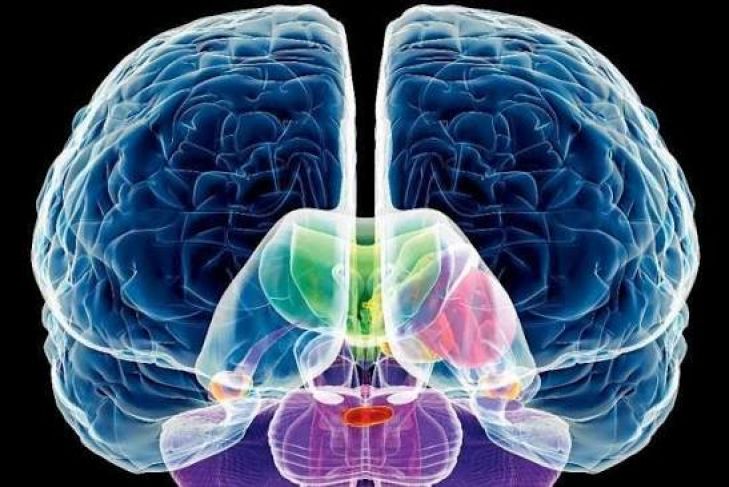
Although the altered protein circulates widely throughout the body, its most destructive effects concentrate inside specialized subcortical nuclei. The primary epicenters of damage involve the basal ganglia, a deeply situated collection of gray matter structures responsible for modulating voluntary movement, sequencing motor actions, and regulating automatic behavioral responses. Within this interconnected network, the caudate nucleus and the putamen—collectively known as the striatum—undergo the most severe neuronal depletion. The striatum functions as a critical relay station that processes motor signals before they reach the spinal musculature. As these internal populations of nerve cells deteriorate, the brain loses its capacity to suppress unwanted physical movements or coordinate fluid muscular action. In advanced stages, neurodegeneration extends beyond the basal ganglia to involve the cerebral cortex, contributing to widespread cognitive decline, global atrophy, and personality evolution that fundamentally changes the individual’s interaction with their environment.
Observable Motor and Physical Alterations
The disruption of neural signaling within the basal ganglia manifests through diverse motor manifestations that shift as the condition advances through clinical stages. A hallmark physical indicator is chorea, characterized by rapid, unpredictable, and purposeless movements affecting the limbs, torso, and facial muscles. Alongside this hyperactive motion, individuals frequently experience dystonia, which involves abnormal posturing and sustained muscle contractions that restrict joint flexibility and cause significant physical discomfort. Bradykinesia, or the progressive slowing of voluntary movement, paired with compromised postural stability, develops as the disease matures, drastically increasing the likelihood of accidental falls and injuries. In the terminal phases, oromotor weakness becomes severe; muscles governing speech production and swallowing lose efficiency, resulting in chronic dysarthria (slurred speech) and significant nutritional challenges that require specialized dietary interventions to prevent aspiration.
Cognitive Shifts and Neuropsychiatric Challenges
Beyond physical movement changes, this disorder profoundly impacts cognitive faculties and psychological health due to the involvement of frontal-subcortical circuits and limbic pathways. Cognitive alterations frequently manifest as executive dysfunction, wherein patients encounter mounting difficulties with task planning, mental flexibility, time management, and complex problem-solving. Processing speed and short-term memory retrieval also diminish gradually over time, often making the maintenance of professional and social roles impossible. Concurrently, neurochemical imbalances frequently generate significant psychiatric symptoms. Clinical depression is a frequent feature that stems directly from cerebral structural alterations rather than purely situational reactions to the diagnosis. Additional behavioral indicators can include heightened anxiety, obsessive-compulsive tendencies, pathological apathy, irritability, and sudden emotional lability—shifts that often place immense strain on familial relationships and require careful clinical assessment and tailored pharmacological intervention.
The Journey of Care: Family and Caregiver Impact
Huntington’s disease is widely regarded as a "family disease" because the psychological and physical toll extends well beyond the patient. Caregivers often face unique challenges as they navigate the patient’s personality changes, fluctuating moods, and increasing physical dependency. The unpredictability of the disease—where an individual may experience "good days" followed by sudden behavioral outbursts—requires immense patience and specialized training. Support groups and genetic counseling are vital components of the care model, helping family members manage the grief of watching a loved one decline while simultaneously addressing their own risks as potential carriers of the genetic expansion. Creating a safe, structured home environment that minimizes stress and maximizes the patient’s remaining abilities is a critical, ongoing task for the primary care team.
Diagnostic Evaluation and Confirmation Protocols
Identifying the condition involves a comprehensive clinical assessment that integrates family medical history, detailed neurological examinations, and definitive laboratory testing. Because the condition is autosomal dominant, a parent carrying the genetic expansion has an equal mathematical probability of transmitting the variant to offspring. Neurological evaluations assess motor reflexes, balance, sensory integration, and cognitive task execution. Furthermore, neuroimaging modalities such as magnetic resonance imaging or computed tomography scans frequently reveal characteristic structural changes, including ventricular enlargement alongside noticeable atrophy of the striatum. Absolute confirmation is achieved through specialized genetic testing. By quantifying the exact number of repeating segments within the gene sequence, laboratory diagnostics verify the presence of the mutation, providing clear biological data for long-term clinical planning and family reproductive counseling.
Comprehensive Management and Supportive Interventions
While a complete medical reversal remains unavailable, modern supportive care frameworks have transformed the quality of life for diagnosed individuals and their caregivers. Coordinated multidisciplinary teams—integrating neurologists, physical therapists, occupational specialists, speech-language pathologists, and psychiatric professionals—address the evolving needs of each patient. Targeted pharmaceutical agents help manage specific manifestations, such as motor-suppressing medications for chorea, alongside mood stabilizers or antidepressants for psychiatric symptoms. Rehabilitation therapies focus on preserving mobility, adapting home environments for safety, and maintaining functional independence through the use of assistive devices. Simultaneously, international research endeavors continue exploring innovative strategies, including gene-silencing therapies designed to inhibit toxic protein production, neuroprotective agents, and stem-cell-based cellular restoration techniques.
Conclusion
Understanding this complex neurodegenerative disorder requires recognizing how genetic mutations drive progressive structural changes within specialized brain networks, influencing movement, cognition, and emotional health. Through systematic clinical evaluation, comprehensive multidisciplinary support, and ongoing scientific innovation in gene-targeted therapeutics, modern medicine continually refines care strategies to optimize patient well-being. By addressing the physical, psychological, and social dimensions of Huntington’s disease, we offer both dignity to those currently living with the condition and hope for a future where targeted therapies may effectively halt the disease at its genetic source.