How Liver Diseases Affect Overall Health
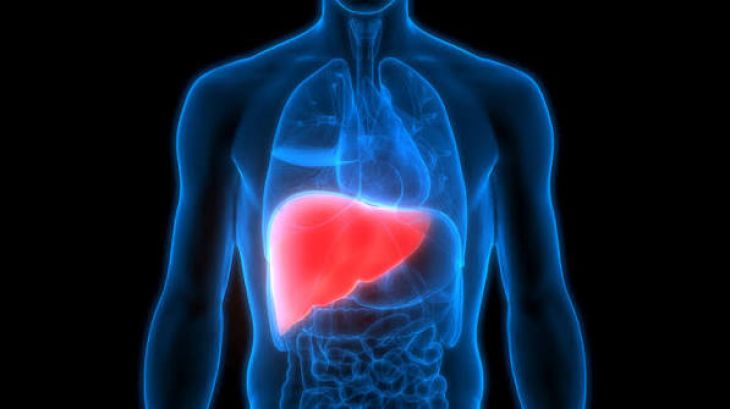
The liver is one of the hardest-working organs in the human body. Every day, it performs hundreds of tasks that help maintain good health. It processes nutrients from food, stores vitamins and minerals, produces substances needed for digestion, removes harmful waste products, and helps regulate many important body functions. Because the liver is involved in so many processes, any condition that reduces its ability to work properly can influence overall health. Liver diseases may develop slowly or appear suddenly, depending on the cause. In the early stages, many people notice very few symptoms, making regular health check-ups valuable for early detection. Although some liver conditions require medical treatment, healthy lifestyle choices can also support liver function. Understanding how liver diseases affect the body encourages people to recognize warning signs early and adopt habits that protect this important organ throughout life.
The Liver Supports Many Essential Body Functions
The liver works continuously to keep the body functioning efficiently. It filters blood coming from the digestive system, breaks down nutrients into usable forms, stores energy for later use, and produces bile that helps digest fats. The liver also helps process medicines and removes toxins from the bloodstream. When liver function becomes impaired, these important activities may become less efficient. As a result, digestion, nutrient absorption, and energy production may all be affected. People with liver disorders may notice tiredness, reduced appetite, digestive discomfort, or difficulty maintaining normal energy levels. Since the liver performs many interconnected tasks, changes in its health often influence several body systems rather than affecting only one area. This explains why maintaining liver health is important for overall physical well-being.
Liver Problems Can Affect More Than Digestion
Although the liver is closely linked to digestion, its influence extends throughout the body. Reduced liver function may affect the body's ability to regulate nutrients, remove waste products, and maintain normal chemical balance. Over time, this may contribute to fatigue, muscle weakness, swelling in certain areas of the body, or changes in skin and eye color. Some individuals may experience difficulty concentrating or feel generally unwell when liver disease progresses. In addition, long-term liver conditions may influence the health of other organs because many body systems depend on the liver's normal functioning. Since symptoms can vary depending on the underlying condition, professional medical evaluation is important whenever persistent or unusual health changes occur. Recognizing these broader effects highlights the liver's essential role beyond digestion alone.
Everyday Habits Influence Liver Health
Many daily choices can either support or place stress on the liver. Eating balanced meals prepared with fruits, vegetables, whole grains, legumes, lean proteins, and healthy fats provides nutrients that help the body function normally. Staying physically active and maintaining a healthy body weight may also support liver wellness. Limiting alcohol consumption, avoiding unnecessary use of medications, and following prescription instructions carefully can reduce strain on the liver. Good hygiene practices and recommended vaccinations may help lower the risk of certain infections that affect liver health. Drinking enough water and avoiding exposure to harmful chemicals whenever possible are additional practical steps. Although these habits cannot prevent every liver disease, they contribute to better overall health and help the liver perform its natural functions more effectively.
Early Detection and Regular Medical Care Matter
Many liver diseases progress quietly before noticeable symptoms appear. For this reason, routine medical examinations and laboratory tests are valuable, particularly for individuals with risk factors such as obesity, diabetes, excessive alcohol use, or a family history of liver disease. Early diagnosis allows healthcare professionals to recommend appropriate treatment and lifestyle changes before significant damage occurs. People should seek medical advice if they notice persistent fatigue, yellowing of the skin or eyes, ongoing abdominal discomfort, unexplained weight loss, swelling, or unusually dark urine. Following medical recommendations, attending follow-up appointments, and maintaining healthy daily habits all contribute to better long-term outcomes. Timely attention often improves the chances of managing liver disease successfully while protecting overall health.
Conclusion
The liver quietly performs many essential tasks that support nearly every part of the body. When liver diseases develop, their effects often extend beyond the liver itself, influencing digestion, energy production, metabolism, and overall well-being. Fortunately, healthy eating, regular exercise, maintaining a healthy weight, limiting alcohol, and seeking medical care when symptoms appear all help support liver health. Regular check-ups also improve the chances of detecting liver problems early. By caring for the liver through informed daily choices, individuals can protect one of the body's most important organs and promote better health for years to come.