How Could Gene Therapy Open New Possibilities in Cancer Treatment?
Treatment for cancer has evolved significantly throughout time. Doctors now use many different approaches, including surgery, chemotherapy, radiation therapy, targeted therapy, and immunotherapy. Researchers are also studying gene therapy as another possible way to fight cancer.
The goal of gene therapy is to alter or use genetic information to treat illness. In order to improve the body's ability to detect and combat cancer, scientists are investigating ways to alter genes within immune cells or cancer cells.
Although many gene therapy approaches are still being studied, this field could create new possibilities for treating certain cancers.
What Is Gene Therapy?
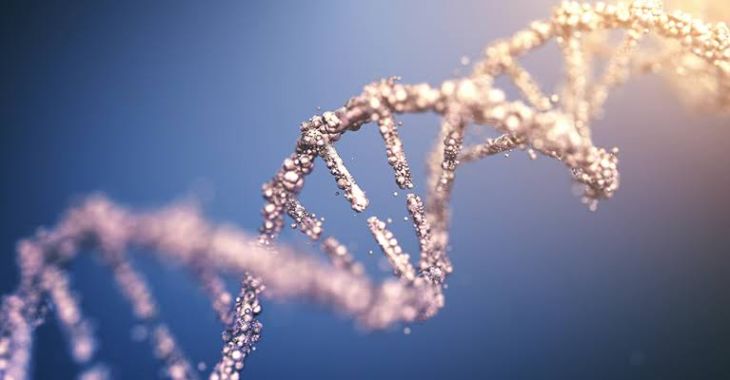
Genes are instructions inside our cells that help control how the body works. Changes in certain genes can contribute to cancer by causing cells to grow or divide abnormally.
Gene therapy aims to introduce, change, remove, or control genetic material to help treat a disease.
For cancer, researchers are developing different gene-based approaches. Some alter immune cells to better combat cancer, while others directly target cancer cells.
How Could Gene Therapy Fight Cancer?
There is no single way that gene therapy works against cancer. Researchers are studying several different approaches.
Helping the Immune System
Changing immune cells to improve their ability to identify cancer cells is one strategy..
A well-known example is CAR T-cell therapy. This treatment involves taking certain immune cells from the patient and genetically altering them in a lab. After being reintroduced to the body, the altered cells are able to identify and combat particular cancer cells.
For certain blood malignancies, this strategy has grown in importance as a cancer treatment.
Targeting Cancer Cells
Additionally, researchers are looking into direct delivery of genetic material into cancer cells.
The goal may be to interfere with genes that help cancer cells grow or survive. In some approaches, genetic changes may make cancer cells easier for the immune system to attack.
Replacing or Repairing Genetic Functions
Some cancers are linked to changes in genes that normally help control cell growth. Researchers are investigating whether gene-based treatments could restore or replace certain functions that have been lost.
Because cancer can result from a variety of genetic alterations, this field is complicated.
Could Gene Therapy Make Cancer Treatment More Personalized?
The potential for individualized treatment is one of the most exciting aspects of gene therapy.
Cancer is not one single disease. Tumors can have different genetic features, even when they develop in the same organ.
Doctors may be able to find more effective treatments for a patient's cancer by examining the genetic features of the disease.
This fits into the broader idea of precision medicine, where treatment decisions are based on the unique features of a person's cancer.
What Are the Benefits of Gene Therapy?
Gene therapy could offer several potential benefits:
-
It might target particular biological pathways or cancer cells.
-
It can potentially strengthen the immune system's response to cancer.
-
Some approaches may provide longer-lasting effects.
-
Treatment can sometimes be designed around the genetic features of a patient's cancer.
-
When certain conventional treatments don't work, it might provide an alternative.
However, the benefits depend on the type of gene therapy and the type of cancer being treated.
What Are the Challenges?
Although gene therapy shows promise, there are obstacles to overcome.
It can be challenging to deliver genetic material to the right cells. Additionally, cancer cells may alter over time, making it possible for some of them to evade treatment.
Some gene-based treatments can cause serious side effects. For example, treatments that strongly activate the immune system can sometimes cause dangerous immune reactions.
Gene therapies may also require specialized laboratories and medical centers, making them difficult to access in some areas.
Researchers are working to make these treatments safer, more effective, and easier to deliver.
Is Gene Therapy Available for Cancer Treatment?
Some gene-based cancer treatments are already available for certain cancers and specific patients. CAR T-cell therapies, for example, are used for several types of blood cancer.
Numerous alternative gene therapy strategies are still undergoing clinical studies, though.
Treatments that are effective for one kind of cancer might not be effective for another. Doctors consider factors such as cancer type, stage, genetic features, previous treatments, and overall health when deciding which options may be appropriate.
FAQs
Can gene therapy cure cancer?
Cancer cannot always be cured by gene therapy. Some gene-based treatments can produce strong results in certain cancers, but researchers are still studying many other approaches.
Is CAR T-cell therapy a type of gene therapy?
Indeed. Genetically altering a patient's immune cells to enable them to identify and combat specific cancer cells is known as CAR T-cell therapy.
Is gene therapy safe?
Gene-based treatments can have side effects, and some can be serious. Doctors carefully monitor patients during treatment.
Can all forms of cancer be treated using gene therapy?
No. Gene therapy is currently used or studied for specific cancers and situations. Research is ongoing to expand its use.
Is gene therapy personalized?
Certain gene-based therapies can be tailored to a patient's immune system or malignancy. For this reason, the technology plays a significant role in precision cancer research.
Conclusion
By altering genetic information or modifying immune cells to combat cancer, gene therapy may create new avenues for cancer treatment. Approaches such as CAR T-cell therapy show how genetic technology can be used to create new cancer treatments.
Although challenges remain, ongoing research may lead to safer, more precise, and more personalized therapies. As scientists continue to understand the genes involved in cancer, gene therapy could become an increasingly important tool in the future of cancer care.