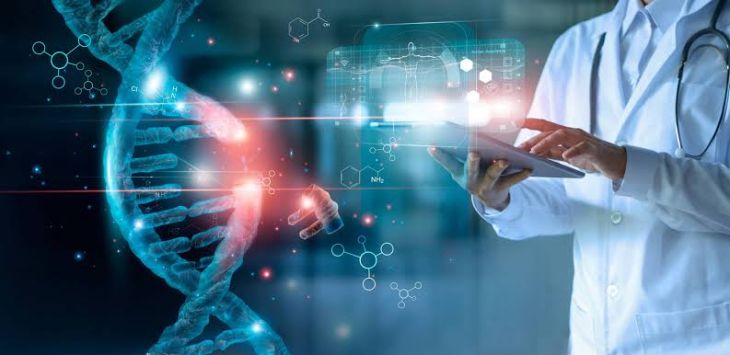
The Future of Personalized Medicine and Patient Care
Instead of using the same treatments for everyone, doctors now focus more on individual patients. This new way of treating patients is called personalized medicine. It considers a person's genes, lifestyle, environment, and medical history when making healthcare decisions. Improvements in genetic research, artificial intelligence, digital health tools, and data analysis are helping this new approach become a reality. Now, doctors can use genetic information to predict risks, choose better medications, and create treatment plans that fit each patient's needs. As technology continues to improve, personalized medicine is expected to be a key part of how healthcare is delivered worldwide.
Understanding Personalized Medicine
Personalized medicine, also called precision medicine, is a way of providing medical care that is tailored to each person's unique features.
These features include genetic makeup, age, lifestyle, family history, environmental factors, and existing health conditions. Traditional medicine often uses standard treatment guidelines that work for many people but not for everyone. Personalized medicine tries to fix this by looking at the biological differences that affect how diseases develop and how patients respond to treatment. Genetic testing is a big part of this process. It helps doctors find inherited conditions, predict disease risk, and choose medications that are most likely to work. This approach has already made a difference in cancer treatment, where therapies are selected based on specific genetic changes in tumors. Personalized medicine is also being explored in areas like heart disease, brain conditions, rare diseases, and mental health. By focusing on individual differences, healthcare providers can make more informed decisions that improve treatment results and reduce unnecessary medications and side effects.
Technology Driving the Future of Patient Care
The rapid development of digital technology is one of the main drivers of personalized medicine.
Artificial intelligence can process large amounts of medical data quickly, helping healthcare professionals spot patterns that are not obvious with traditional methods. Machine learning algorithms can predict how diseases might progress understanding of a patient's daily health, rather than relying only on occasional check-ups. Telemedicine has also improved access to personalized care by allowing remote consultations with healthcare providers. Electronic health records help doctors see complete patient histories, making treatment decisions more accurate and coordinated. Also, improvements in genomic sequencing have made genetic testing faster and more affordable, allowing more people to benefit from precision healthcare. Together, these technologies create a healthcare system that is more proactive, data-driven, and responsive to each patient's unique needs.
Benefits and Challenges of Personalized Medicine
Personalized medicine offers many benefits for both patients and healthcare professionals.
One major advantage is that treatments can be more effective because they are tailored to a person's genetic profile and health characteristics.Patients are also less likely to have harmful side effects when medications match their biological needs.The early detection of disease risk allows for preventative measures to be taken before serious health problems develop.This can improve quality of life while lowering long-term healthcare costs.However, personalized medicine also has several challenges.Genetic testing and advanced diagnostic tools may still be expensive or not available in some areas.Protecting patient privacy is also important because genetic information is very sensitive and needs to be kept secure.Healthcare professionals need special training to correctly interpret genetic data and clearly explain results to patients.Ethical issues also arise about genetic discrimination and equal access to advanced medical care.Overcoming these challenges will require strong regulations, better healthcare infrastructure, ongoing research, and public awareness to ensure that personalized medicine benefits everyone, not just a small group.
What the Future Holds for Healthcare
The future of personalized medicine is expected to change nearly every part of healthcare.
Researchers are working on new targeted therapies that focus on the specific biological causes of disease instead of just treating symptoms. Advances in gene-editing technologies may one day help fix certain inherited disorders before they start. Artificial intelligence will keep improving diagnostic accuracy by combining genetic information with imaging results, lab tests, and lifestyle data. Preventive healthcare is likely to become more important realize they are sick. Collaboration between doctors, researchers, technology companies, and policymakers will be key to making these innovations widely available. While challenges remain, the ongoing integration of genetics, digital health, and precision therapies promises a future where healthcare is more personalized, efficient, and aimed at improving long-term patient outcomes.
Conclusion
Personalized medicine is one of the biggest advancements in modern healthcare.
By combining genetic science, digital technology, artificial intelligence, and patient-centered care, it offers the potential to deliver safer, more effective, and better-suited treatments for each individual. Although challenges related to cost, privacy, access, and education still need to be addressed, ongoing research and technological innovation continue to move healthcare toward a more personalized future.