Understanding Common Eye Diseases and Their Symptoms
Our vision serves as a primary window to the surrounding world, allowing us to read, recognize faces, navigate physical spaces, and appreciate vivid details. Healthy sight depends on a complex web of anatomical structures working in seamless coordination, including the light-focusing cornea, the adjustable crystalline lens, the neural retina, and the transmitting optic nerve. When injury, aging, or pathology disrupts any part of this visual pathway, sight can become compromised.
Vision disorders can develop at any stage of life. Certain conditions emerge slowly and produce subtle initial changes, while others strike abruptly with pain, redness, or sudden visual distortion. Because many eye disorders progress silently during their early stages, recognizing typical warning signs and scheduling routine professional evaluations are crucial steps in protecting long-term ocular health.
What Are Eye Diseases?
Ocular pathologies encompass a wide range of medical conditions affecting the structures responsible for sight. These disorders may target the external surface of the eye, the internal lens, the light-sensitive retina, or the optic nerve pathways leading to the brain.
While natural biological aging accounts for many gradual visual shifts, other conditions stem from genetic predispositions, infectious pathogens, physical trauma, or systemic health issues like diabetes and chronic hypertension. Because internal changes often occur without causing immediate discomfort or pain, comprehensive eye exams remain essential for detecting hidden abnormalities before permanent vision loss occurs.
Cataracts and Their Signs and Symptoms
A cataract develops when the normally clear crystalline lens inside the eye becomes cloudy or opaque. Because this lens must remain transparent to focus light accurately onto the retina, opacification progressively blurs and distorts visual clarity.
Causes and Progression
Most cataracts are linked to normal aging as proteins within the lens break down and clump together. However, they can also result from eye trauma, prolonged exposure to ultraviolet radiation, certain medications like corticosteroids, or metabolic conditions such as diabetes. They typically develop slowly over several years.
Warning Signs
-
Blurred or hazy vision that cannot be corrected with new glasses.
-
Increased sensitivity to glaring lights, headlights, or bright sunlight.
-
Faded color perception or a yellowish tint to vision.
-
Difficulty seeing clearly at night or reading in dim light.
When cataracts begin interfering significantly with daily activities, an ophthalmologist can surgically remove the cloudy natural lens and replace it with a clear artificial intraocular lens.
Glaucoma and Its Warning Signs
Glaucoma is a group of progressive conditions that damage the optic nerve, which carries visual signals from the eye to the brain. Elevated pressure inside the eye is a frequent risk factor, though optic nerve injury can sometimes occur even with normal intraocular pressure levels.
The Silent Thief of Sight
Glaucoma is often called a hidden condition because open-angle glaucoma—the most prevalent type—develops with virtually no early symptoms. Peripheral vision fades so gradually that individuals often compensate unconsciously until advanced damage has occurred. Conversely, acute angle-closure glaucoma is a sudden medical emergency marked by severe eye pain, headache, nausea, and blurred vision accompanied by rainbow-colored halos around lights.
Routine tonometry and optic nerve scans during regular eye exams are vital for catching pressure changes and nerve fiber loss long before noticeable vision impairment sets in.
Age-Related Macular Degeneration (AMD)
Age-related macular degeneration focuses its impact on the macula, a tiny specialized region near the center of the retina responsible for sharp, straight-ahead vision needed for reading, driving, and recognizing faces.
Forms and Indicators
AMD generally manifests in two forms: dry (characterized by cellular debris accumulation) and wet (involving abnormal, leaky blood vessels beneath the retina). Early warning signs include straight lines appearing wavy or distorted, blurred central vision, and difficulty adapting to low-light environments. While peripheral vision typically remains intact—meaning AMD rarely causes total blindness—the loss of central detail severely impacts daily tasks and independence.
Conjunctivitis and Eye Infection
Conjunctivitis, commonly known as pink eye, involves inflammation of the conjunctiva—the thin, transparent membrane lining the white sclera and the inner surfaces of the eyelids.
Triggers and Symptoms
This condition can be triggered by viral or bacterial infections, allergic reactions to pollen or dust, or chemical irritants. Typical indicators include redness in the white of the eye, excessive tearing, burning, itching, and a gritty sensation. Infectious variants frequently produce a sticky discharge that causes eyelids to adhere together overnight. Practicing diligent hand hygiene and avoiding touching or rubbing the eyes helps prevent the spread of infectious forms.
Diabetic Retinopathy
Diabetic retinopathy is a systemic microvascular complication arising from prolonged, elevated blood glucose levels associated with diabetes. Chronically high blood sugar damages the delicate blood vessels that nourish the retina.
Disease Stages
In early non-proliferative stages, weak vessels may bulge and leak fluid into retinal tissue without causing noticeable symptoms. As the condition advances to the proliferative stage, abnormal new blood vessels grow along the retina, increasing the risk of severe bleeding and permanent vision loss. Rigorous management of blood sugar, blood pressure, and cholesterol, combined with annual dilated retinal exams, forms the foundation of prevention and early intervention.
Refractive Errors and Vision Issues
Refractive errors occur when the anatomical shape of the eye prevents incoming light from focusing correctly on the retina, resulting in blurred images.
-
Nearsightedness (Myopia): Distant objects appear blurry while close-up items remain sharp.
-
Farsightedness (Hyperopia): Close work causes strain and blur, though distance vision may be clearer.
-
Astigmatism: An irregularly curved cornea or lens scatters light, creating distorted vision at all distances.
-
Presbyopia: Age-related stiffening of the natural lens makes focusing on nearby print difficult during middle age.
Prescription eyeglasses, contact lenses, or corrective surgical procedures can effectively compensate for these structural focusing flaws.
Dry Eye Disease
Dry eye disease happens when the tear film is unstable—either because the eyes fail to produce enough tears or because tears evaporate too quickly due to compromised oil gland function.
Affected individuals frequently experience a stinging, burning, or scratchy sensation, along with redness and intermittent blurred vision. Paradoxically, severe dryness can also trigger reflex watery tearing. Prolonged screen viewing, dry environmental conditions, contact lens wear, and certain medications frequently exacerbate dry eye discomfort.
Warning Signs That Require Immediate Attention
Certain sudden ocular symptoms indicate urgent medical situations that should never be ignored:
-
An abrupt, painless loss of vision in one or both eyes.
-
A sudden onset of flashing lights accompanied by a dramatic surge in dark floaters or a dark shadow resembling a curtain moving across the visual field.
-
Severe, throbbing eye pain accompanied by sudden redness and sensitivity to light.
-
Sudden double vision or an inability to move the eye normally.
How Eye Diseases Are Diagnosed
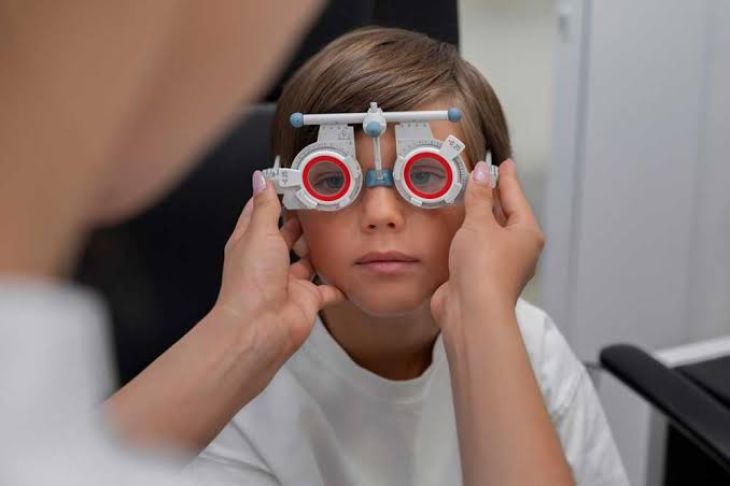
Eye care professionals utilize a variety of advanced diagnostic tools to evaluate ocular health. Visual acuity charts measure sharpness at specific distances, tonometry tests internal fluid pressure, and slit-lamp examinations allow magnified inspection of external and internal structures. Furthermore, optical coherence tomography (OCT) provides high-resolution cross-sectional scans of the retina and optic nerve, enabling doctors to detect microscopic abnormalities well before symptoms disrupt daily life.
Practical Ways to Protect Your Vision
While genetic factors and aging cannot be altered, everyday habits can significantly support long-term eye health:
-
Schedule comprehensive eye examinations according to professional guidelines or personal risk factors.
-
Wear sunglasses that block 100% of UVA and ultraviolet-B rays when outdoors.
-
Use certified protective eyewear during sports, woodworking, or chemical handling.
-
Maintain a nutrient-rich diet containing leafy greens, omega-3 fatty acids, and antioxidants.
-
Quit smoking, manage systemic conditions like hypertension and diabetes, and take regular screen breaks to reduce digital eye strain.
Conclusion
Eye disorders encompass a diverse group of conditions that can influence visual clarity and overall quality of life. From cataracts and glaucoma to macular degeneration and refractive errors, understanding how these conditions manifest empowers individuals to seek timely medical care. Because many prevalent eye diseases progress silently without early pain, regular professional eye examinations remain the single most effective tool for preserving clear vision and lifelong ocular health.