What Is a Concussion and How Can It Affect the Brain?
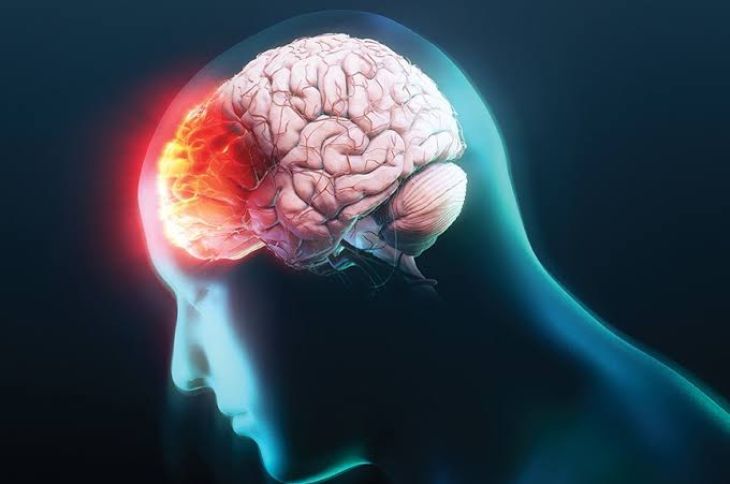
A concussion is clinically classified as a mild traumatic brain injury (mTBI), typically resulting from a direct blow to the head, a violent jolt to the body, or an acceleration-deceleration force—such as those experienced during contact sports, motor vehicle collisions, or accidental falls. Although the term "mild" is standard medical nomenclature used to distinguish these injuries from those involving intracranial hemorrhage or skull fractures, any injury affecting the brain demands serious clinical attention. Unlike structural brain injuries that involve visible tearing or mass lesions on standard CT scans, a concussion primarily disrupts neurological function at a microscopic, cellular level. Understanding how these mechanical forces alter brain chemistry and electrical signaling is essential for recognizing symptoms early, ensuring proper medical evaluation, and preventing long-term complications stemming from cumulative head impacts.
The Biomechanical Mechanism: How Impact Alters Neurons
To understand how a concussion affects the brain, one must examine the physical forces involved during an impact. When the head is struck or abruptly jarred, the soft, gelatinous tissue of the brain shifts rapidly inside the rigid casing of the skull. This sudden movement causes the brain to slide, twist, and collide against the internal bony ridges of the cranium. At the microscopic level, these rapid shearing and stretching forces strain the delicate axons—the long, thin nerve fibers that neurons use to communicate across different regions of the brain. While the axons typically do not snap completely, this widespread mechanical stretching damages their outer membranes and temporarily disrupts their internal structural scaffolding. As a result, the brain’s vast neural network experiences an immediate, widespread disruption in its ability to transmit electrical impulses smoothly, leading to the clinical phenomenon known as a functional impairment.
The Neurometabolic Cascade: Inside the Cellular Crisis
Beyond the initial mechanical stretching, a concussion triggers a complex sequence of biochemical and metabolic events known as the neurometabolic cascade. This internal crisis begins the exact moment the injury occurs and explains why cognitive and physical symptoms persist long after the physical impact. First, the stretching of neuronal membranes damages ion channels, causing a sudden, uncontrolled release of potassium ions out of the neurons and an influx of calcium ions into the cells. To restore the chemical balance, the brain’s cellular pumps must work overtime, consuming massive amounts of adenosine triphosphate (ATP), the primary energy currency of cells. Simultaneously, the injury restricts regional cerebral blood flow, causing a sharp drop in glucose availability. This mismatch between high energy demand and low energy supply plunges neurons into a state of metabolic crisis. During this vulnerable window, the brain functions sub-optimally, rendering it exceptionally sensitive to secondary injuries or physical exertion.
Observable Symptoms and Clinical Manifestations
Because the neurometabolic cascade affects widespread regions of the cerebral cortex, brainstem, and limbic system, a concussion produces a diverse spectrum of physical, cognitive, and emotional symptoms. These signs typically appear immediately after the trauma, though some may develop over the subsequent hours as the chemical imbalance settles. Physical signs often include persistent headaches, dizziness, sensitivity to light (photophobia), sensitivity to noise (phonophobia), nausea, and temporary loss of balance. Cognitive alterations are equally prevalent; individuals frequently experience confusion, feeling "in a fog," difficulty concentrating, slowed processing speed, and short-term memory gaps regarding the event itself. Emotional and sleep changes—such as mood swings, uncharacteristic irritability, heightened anxiety, or struggling with insomnia—frequently accompany the recovery phase, indicating that the injury has impacted the emotional regulatory centers of the limbic system.
Pediatric Concussion Considerations
Concussions in children and adolescents require specialized clinical vigilance, as the developing brain is physiologically more vulnerable to neuro-metabolic disturbances. Because the myelination of nerve fibers is incomplete in younger individuals, the electrical conductivity of the brain is slower, and the metabolic recovery process can take longer than in adults. Pediatric patients are at a higher risk for Post-Concussion Syndrome (PCS), where symptoms linger for weeks or months, potentially impacting academic performance and social development. Standardized "return-to-learn" protocols are essential for students, involving a gradual reintroduction to classroom environments with accommodations, such as shortened school days or reduced screen time, to prevent cognitive fatigue from exacerbating the brain’s energy deficit.
Long-Term Implications and Cumulative Risks
While the vast majority of individuals recover fully from a single concussion, there is growing medical concern regarding repetitive head impacts. Repeated concussions before the brain has fully healed can lead to a condition known as Second Impact Syndrome, where rapid cerebral swelling causes catastrophic neurological collapse. Furthermore, emerging research suggests a potential link between a history of multiple concussions and Chronic Traumatic Encephalopathy (CTE), a neurodegenerative disease characterized by the accumulation of tau proteins in the brain. CTE can lead to progressive cognitive decline, memory loss, and behavioral changes years after the initial athletic career has ended. These risks underscore the critical importance of conservative management and the necessity of preventing "sub-concussive" impacts in high-contact sports.
Recovery, Management, and Healing Protocols
Fortunately, the vast majority of individuals who sustain a single concussion experience a full functional recovery within days to several weeks. Healing requires a careful, phased approach to allow the brain's metabolic processes to normalize. Modern medical guidelines emphasize a brief initial period of relative rest—typically 24 to 48 hours—followed by a gradual, symptom-limited return to physical and cognitive activities. Complete, prolonged isolation in dark rooms is no longer recommended, as strict social withdrawal can heighten anxiety and delay recovery. Instead, patients are encouraged to engage in light, non-strenuous activities that do not significantly exacerbate their symptoms. Medical evaluation is crucial to rule out more severe pathology, especially if "red flag" symptoms arise, such as worsening headaches, repeated vomiting, or extreme drowsiness.
Conclusion
A concussion is a complex physiological disruption of brain function triggered by biomechanical forces that stretch delicate neural fibers and initiate a demanding cellular energy crisis. By recognizing that symptoms stem from microscopic axonal strain and temporary metabolic imbalance rather than visible structural damage, patients and healthcare providers can approach recovery with appropriate patience and care. Through structured physical and cognitive pacing, supportive multidisciplinary management, and vigilant monitoring, the injured brain successfully restores its chemical equilibrium. By prioritizing brain health and adhering to modern return-to-play protocols, individuals can effectively navigate the recovery process and safeguard their long-term neurological future.