Understanding Common Prostate Problems and Their Symptoms
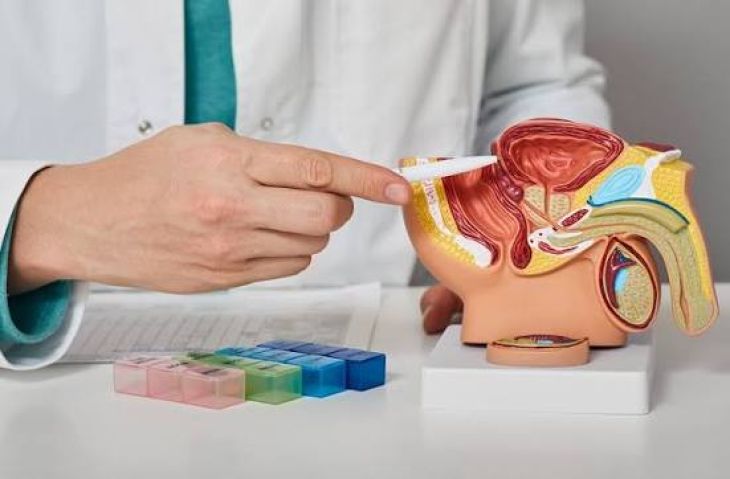
The prostate is a vital walnut-sized exocrine gland situated directly beneath the urinary bladder in biological males, wrapped securely around the upper portion of the urethra—the muscular tube responsible for transporting urine and semen out of the body. Despite its relatively compact dimensions, the prostate plays an indispensable role in male reproductive health. Its primary function involves secreting an alkaline fluid that nourishes, protects, and transports sperm during ejaculation.
Because of its unique anatomical placement surrounding the urinary tract, any physiological alteration, structural enlargement, or pathological inflammation within the prostate directly impacts urinary function and overall quality of life. As men age, the prostate undergoes natural hormonal shifts, making it uniquely vulnerable to various benign and malignant conditions. Recognizing these disorders, understanding their distinct symptom profiles, and knowing precisely when to consult a medical professional are essential components of lifelong health management.
1. Benign Prostatic Hyperplasia (BPH): The Age-Related Expansion
Benign Prostatic Hyperplasia, commonly referred to as BPH, is the single most frequent prostate disorder affecting aging men. It is characterized by a non-malignant, progressive enlargement of the prostate gland. As men transition past their fourth and fifth decades of life, the tissues within the prostate naturally begin to multiply and grow. While BPH is not cancerous and does not directly increase an individual's risk of developing prostate cancer, the physical consequences of the enlargement can be profoundly disruptive.
The Mechanical Impact on the Urinary Tract
Because the prostate encases the urethra, its gradual expansion exerts inward pressure, pinching the urinary channel shut much like a clamp on a garden hose. This mechanical obstruction forces the bladder wall to work significantly harder to push urine through the narrowed passage. Over extended periods, this constant muscular strain causes the bladder wall to thicken, become irritable, and eventually lose its elasticity, leading to a cascade of lower urinary tract symptoms.
Symptom Manifestations
Patients experiencing BPH typically report a gradual onset of urinary alterations, which are generally categorized into obstructive and irritant symptoms:
-
Weak Urinary Stream: Urine flows with noticeably less force and volume compared to younger years.
-
Hesitancy and Straining: Difficulty initiating the urinary stream, often requiring physical effort or patience in the restroom.
-
Terminal Dribbling: Prolonged dripping of urine at the very end of urination.
-
Incomplete Emptying: A persistent sensation that the bladder remains partially full even after finishing urination.
-
Frequency and Urgency: Needing to urinate much more often throughout the day and experiencing sudden, intense urges that are difficult to postpone.
-
Nocturia: Waking up multiple times during the night to empty the bladder, which severely disrupts restorative sleep patterns.
2. Prostatitis: Inflammation and Infection of the Gland
Unlike BPH, which primarily stems from age-related tissue growth, prostatitis involves painful inflammation, swelling, and often bacterial infection of the prostate gland. Importantly, prostatitis is not restricted to older adults; it can affect biological males of nearly any age, from young adulthood onward. The condition is clinically subdivided into four distinct categories based on underlying causes and specific clinical presentations.
The Four Classifications of Prostatitis
-
Acute Bacterial Prostatitis: A sudden, severe bacterial infection of the prostate that triggers dramatic systemic symptoms, including high fevers, shaking chills, severe pelvic or lower back pain, and acute urinary obstruction. This represents an urgent medical condition requiring immediate antibiotic intervention.
-
Chronic Bacterial Prostatitis: Characterized by recurrent, recurring bacterial infections of the prostate interspersed with symptom-free periods. Patients typically experience persistent, mild urinary symptoms and recurring bouts of localized discomfort.
-
Chronic Prostatitis / Chronic Pelvic Pain Syndrome (CPCP/CPPS): The most common yet least understood form of prostatitis. It features chronic pelvic pain lasting for at least three months without evidence of a bacterial infection. The exact origin remains multifactorial, potentially involving pelvic floor muscle spasms, localized nerve sensitivity, or psychological stress.
-
Asymptomatic Inflammatory Prostatitis: This form causes no noticeable symptoms or physical discomfort. It is typically discovered incidentally during medical evaluations or screenings for other urological conditions, often identified via elevated white blood cell counts in prostatic secretions.
Recognizing Prostatitis Symptoms
Depending on the specific type, symptoms of prostatitis can include localized pain or a heavy, aching sensation in the perineum (the area between the scrotum and anus), lower abdomen, lower back, or genital region. Pain during or immediately after ejaculation is also a frequent and distressing indicator.
3. Prostate Cancer: Understanding the Malignancy
Prostate cancer is one of the most frequently diagnosed malignancies among men worldwide. Unlike BPH, which involves benign cellular proliferation, prostate cancer occurs when abnormal malignant cells begin to multiply uncontrollably within the glandular tissue of the prostate, forming a tumor.
Slow-Growing vs. Aggressive Pathologies
Many forms of prostate cancer are remarkably slow-growing, remaining confined to the prostate gland for years or even decades without causing significant harm or life-threatening symptoms. However, certain aggressive cellular variants can grow rapidly and spread beyond the prostate capsule to surrounding lymph nodes, distant bones, or other internal organs. Because early-stage prostate cancer frequently produces no warning signs whatsoever, routine clinical screening plays a critical role in early detection.
Symptoms of Advanced Disease
While localized early-stage prostate cancer is typically asymptomatic, more advanced disease or significant tumor enlargement can generate specific red flags:
-
Blood in the urine (hematuria) or blood in the semen (hematospermia), caused by irritation or vascular invasion within the urinary and reproductive tracts.
-
New-onset or worsening erectile dysfunction.
-
Deep, persistent bone pain, particularly in the lower back, hips, pelvis, or ribs, which can indicate that the cancer has metastasized to the skeletal system.
-
Unexplained weight loss, chronic fatigue, and progressive physical weakness.
4. Diagnostic Evaluation and Clinical Assessment
Because conditions like BPH, prostatitis, and prostate cancer can produce overlapping urinary symptoms, accurate medical evaluation by a primary care physician or a specialized urologist is essential. Clinicians utilize a multi-step diagnostic approach to pinpoint the exact underlying cause of urological discomfort.
-
Detailed Medical History and Symptom Scoring: Standardized questionnaires, such as the International Prostate Symptom Score (IPSS), help quantify the severity of urinary disruptions and monitor treatment efficacy over time.
-
Digital Rectal Examination (DRE): A quick, physical examination where the clinician inserts a gloved, lubricated finger into the rectum to manually assess the size, shape, symmetry, and consistency of the prostate gland, checking for nodules, hard spots, or tenderness.
-
Prostate-Specific Antigen (PSA) Blood Test: PSA is a protein produced by the cells of the prostate gland. While elevated PSA levels can indicate prostate cancer, they can also rise due to benign enlargement, recent urinary tract infections, vigorous cycling, or acute inflammation (prostatitis).
-
Advanced Imaging and Urodynamic Studies: Transrectal ultrasound (TRUS), multiparametric MRI scans, and urodynamic testing evaluating bladder pressure and flow rates provide deep structural and functional insights when complex pathology is suspected.
5. Management Strategies and Therapeutic Options
Treatment for prostate conditions varies dramatically depending on the specific diagnosis, the severity of symptoms, and the patient's overall health and personal preferences.
-
For BPH: Management ranges from "watchful waiting" and lifestyle adjustments (such as reducing evening fluid intake and avoiding bladder irritants like caffeine and alcohol) to targeted pharmaceutical interventions. Medications include alpha-blockers, which relax the smooth muscles of the prostate and bladder neck to improve urine flow, and 5-alpha reductase inhibitors, which gradually shrink the physical volume of the gland over time. Minimally invasive surgical procedures or traditional resections may be recommended when medical therapy proves insufficient.
-
For Prostatitis: Acute and chronic bacterial infections are managed with targeted courses of antibiotics tailored to specific pathogen sensitivities, often supplemented by anti-inflammatory medications, alpha-blockers, and pelvic floor physical therapy for chronic pelvic pain syndromes.
-
For Prostate Cancer: Therapeutic pathways depend entirely on tumor aggressiveness and staging. Options range from active surveillance (closely monitoring slow-growing tumors without immediate intervention) to radical prostatectomy, radiation therapy, hormone therapy, and advanced targeted immunotherapies.
Conclusion
The prostate is a small yet remarkably influential gland capable of generating substantial physical changes as men age. Whether an individual is navigating the common urinary disruptions of benign prostatic hyperplasia, dealing with the painful inflammation of prostatitis, or confronting a diagnosis of prostate cancer, understanding the biological roots of these conditions empowers patients to seek timely medical care. Through comprehensive clinical evaluations, modern diagnostic screening tools, and individualized management plans, medical science continues to enhance urological health, preserve daily comfort, and ensure long-term well-being for men worldwide.