Common Bone Diseases and How to Protect Bone Health
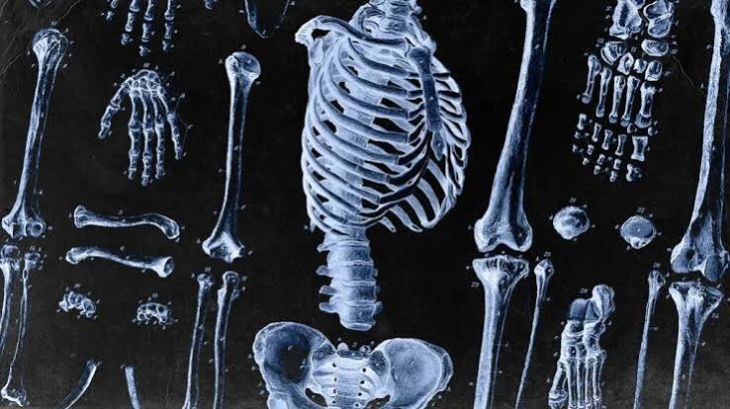
Bones give the body its shape, support movement, protect delicate organs, and provide a framework for muscles to work effectively. Although bones may seem solid and unchanging, they are living tissues that continuously undergo repair and renewal. Old bone is gradually removed while new bone is formed to maintain the skeleton.
Several conditions can interfere with this natural process and weaken the bones. Some bone diseases develop slowly and may remain unnoticed until a fracture occurs, while others can cause pain, stiffness, swelling, or difficulty moving. Age, genetics, nutritional deficiencies, hormonal changes, certain medicines, injuries, and underlying health conditions can all influence bone health.
Osteoporosis is one of the best-known bone disorders, but it is not the only condition that can affect the skeleton. Osteoarthritis affects joints and the tissues surrounding them, while osteomalacia can develop when bones do not receive enough vitamin D or other nutrients needed for proper mineralization. Paget's disease can cause abnormal bone remodeling, and certain inherited conditions can affect bone development and strength.
Understanding common bone diseases and adopting healthy habits can help support the skeleton throughout life. Proper nutrition, regular physical activity, adequate calcium and vitamin D, injury prevention, and appropriate medical care all have important roles in maintaining strong and functional bones.
Why Bone Health Matters
Healthy bones provide more than physical support. They help protect organs, allow the body to move, and serve as storage sites for minerals such as calcium and phosphorus. Bone tissue also contains bone marrow, which is involved in producing blood cells.
Throughout life, the skeleton is constantly being remodeled. Specialized cells remove older bone tissue, while other cells create new material. During childhood and adolescence, bone formation is generally greater than bone breakdown, allowing bones to grow and become stronger.
Bone mass usually reaches its peak during early adulthood. After that, maintaining the existing bone structure becomes increasingly important. As people age, bone loss may gradually become faster than bone formation.
The strength of the skeleton is influenced by several factors, including genetics, diet, exercise, hormones, body weight, lifestyle habits, and certain medical conditions. Building strong bones earlier in life can provide a valuable foundation for maintaining skeletal health later.
Because some bone diseases develop without obvious early symptoms, protecting bone health should be considered a long-term process rather than something to focus on only after a problem appears.
Osteoporosis
Osteoporosis is a condition in which bones become less dense and more fragile. As bone strength decreases, the skeleton becomes more vulnerable to fractures.
The condition often develops gradually. A person may not realize that bone density has declined until a relatively minor fall or injury results in a broken bone. The hip, spine, and wrist are among the areas commonly affected.
Several factors can increase the likelihood of developing osteoporosis. Growing older is one important factor, and bone loss can accelerate after menopause because of hormonal changes. A family history of osteoporosis, low body weight, inadequate calcium or vitamin D, smoking, excessive alcohol consumption, limited physical activity, and prolonged use of certain medicines can also contribute to risk.
Osteoporosis does not always cause pain before a fracture occurs. However, spinal fractures can sometimes result in persistent back pain, loss of height, or changes in posture.
Treatment depends on fracture risk and the individual's overall health. Lifestyle measures are important, and some people may need prescription medicines designed to slow bone loss or strengthen the skeleton.
Osteomalacia
Osteomalacia is a disorder in which bones do not become properly mineralized, making them softer than they should be. Vitamin D deficiency is one of the important causes because vitamin D helps the body absorb calcium and maintain normal bone mineralization.
People with osteomalacia may experience bone discomfort, muscle weakness, difficulty walking, or a greater tendency to develop fractures. The pain may occur in areas such as the hips, lower back, pelvis, or legs.
Inadequate vitamin D intake or absorption can contribute to the condition. Certain digestive disorders, kidney problems, liver disorders, and some medications can also interfere with vitamin D metabolism or mineral balance.
Treatment focuses on correcting the underlying problem. Depending on the cause, a healthcare professional may recommend vitamin D, calcium, or other supplements and may investigate whether another medical condition is affecting nutrient absorption or metabolism.
A balanced diet and appropriate exposure to sunlight can support vitamin D levels, although individual needs vary. People should avoid taking high doses of supplements without professional guidance.
Paget's Disease of Bone
Paget's disease of bone affects the normal process through which old bone is removed and replaced with new tissue. Instead of being remodeled in an organized way, affected bones may become unusually large, misshapen, or structurally weaker.
The condition can affect one or several bones. The pelvis, spine, skull, and long bones of the legs are among the areas that may be involved.
Some people with Paget's disease have no noticeable symptoms, and the condition may be discovered unexpectedly during an X-ray or blood test. Others may experience persistent bone pain, changes in bone shape, or problems related to pressure on nearby nerves.
Although the newly formed bone may appear larger, it is not necessarily stronger. In some cases, affected bones can become more susceptible to fractures or other complications.
Treatment is not always required for every person. When treatment is needed, doctors may prescribe medicines that help control abnormal bone remodeling and reduce complications.
Rickets
Rickets is a bone disorder that primarily affects children whose growing bones do not receive adequate mineralization. Vitamin D deficiency is a common cause, although insufficient calcium or phosphorus and certain inherited or medical conditions can also contribute.
Because children's bones are still developing, inadequate mineralization can interfere with normal skeletal growth. Signs may include delayed growth, bone pain, muscle weakness, changes in bone shape, or abnormalities involving the legs.
The condition can sometimes cause the bones to bend or become softer than normal. Dental development may also be affected in some cases.
Treatment depends on the underlying cause. A child with nutritional deficiencies may require appropriate vitamin D, calcium, or other nutrients under medical supervision. Children with inherited or other medical causes may need specialized treatment.
Adequate nutrition during childhood is important for building a strong skeleton. Parents should discuss persistent bone or growth concerns with a pediatric healthcare professional rather than relying solely on supplements.
Bone Infections
Bone infections, also known as osteomyelitis, occur when harmful microorganisms infect bone tissue. Bacteria are a common cause, although other organisms can sometimes be responsible.
An infection may reach a bone through the bloodstream or spread from nearby infected tissue. In some cases, an injury or surgical procedure can provide a route for microorganisms to enter the bone.
Symptoms can include localized pain, swelling, warmth, redness, fever, and tenderness. Some people may also feel generally unwell or experience difficulty using the affected part of the body.
Bone infections require medical evaluation because untreated infection can damage bone tissue and potentially spread to other parts of the body.
Treatment may involve antibiotics, and some cases require a procedure to drain infected material or remove damaged tissue. The treatment approach depends on the location, severity, and cause of the infection.
Bone Tumors
Bone tumors develop when abnormal cells form a growth within bone tissue. They can be benign or cancerous, and not every bone tumor represents cancer.
A benign tumor may remain localized and grow slowly, while a malignant tumor can invade nearby tissues or spread to other parts of the body. Cancers that begin elsewhere in the body can also spread to bones.
Possible symptoms include persistent bone pain, swelling, tenderness, or an unusual lump. Some tumors may weaken a bone enough to cause a fracture after relatively minor trauma.
Diagnosis may involve imaging tests such as X-rays, CT scans, or MRI. In some situations, a biopsy is required to examine a sample of the abnormal tissue.
Treatment depends on the type and behavior of the tumor. Options may include monitoring, surgery, radiation therapy, chemotherapy, targeted medicines, or other specialized treatments.
Warning Signs of Bone Problems
Bone diseases do not always produce obvious symptoms in their early stages. However, certain changes may indicate that medical evaluation is appropriate.
Persistent or unexplained bone pain should not be ignored, particularly when it continues despite rest. Repeated fractures or a fracture caused by a relatively minor injury may indicate reduced bone strength.
Changes in posture, unexplained loss of height, difficulty walking, persistent muscle weakness, or swelling around a bone can also warrant professional assessment.
Sudden severe pain following an injury may indicate a fracture and requires appropriate evaluation. In older adults, even a seemingly minor fall can sometimes result in a significant fracture when bone density is reduced.
The presence of these symptoms does not automatically mean that a person has a specific bone disease. A healthcare professional can determine the cause through medical history, physical examination, imaging, blood tests, or bone density testing when appropriate.
How to Protect Bone Health
Protecting bone health begins with everyday habits. A balanced diet provides the nutrients required for bone maintenance and repair. Calcium-rich foods may include dairy products, fortified foods, tofu prepared with calcium, certain fish, and selected vegetables.
Vitamin D is also important because it helps the body use calcium effectively. Dietary sources, sunlight exposure, and supplements may all contribute to maintaining adequate vitamin D levels, depending on individual circumstances.
Regular physical activity is another important part of maintaining strong bones. Weight-bearing activities such as walking, stair climbing, dancing, and suitable strength exercises can help support skeletal strength.
Muscle-strengthening and balance exercises are particularly useful for older adults because stronger muscles and better balance can reduce the likelihood of falls.
Avoiding tobacco and limiting excessive alcohol consumption can also support bone health. Maintaining an appropriate body weight and managing medical conditions that can affect the skeleton are equally important.
Preventing Falls and Fractures
Fall prevention becomes increasingly important as people age or when bone strength is reduced. A simple fall can cause a serious fracture when bones are fragile.
Keeping floors clear of clutter, securing loose rugs, improving lighting, and using handrails on stairs can reduce common household hazards. Bathroom surfaces should be kept as safe as possible, and frequently used items should be stored where they can be reached without unnecessary climbing.
Appropriate footwear can improve stability. Regular vision checks may also help because difficulty seeing obstacles can increase the likelihood of falling.
People who feel unsteady while walking should discuss the problem with a healthcare professional. Balance training, strength exercises, mobility aids, or treatment of an underlying health issue may help reduce fall risk.
For individuals with osteoporosis or another condition that significantly weakens bones, preventing falls is an important part of protecting against fractures.
When to Seek Medical Advice
Medical evaluation may be appropriate when a person experiences persistent bone pain, repeated fractures, unexplained loss of height, changes in posture, or difficulty moving normally.
Anyone who develops a fracture after a minor fall or injury should discuss the possibility of reduced bone strength with a healthcare professional, especially if they have other risk factors for osteoporosis.
People taking medicines that can affect bone health may also benefit from discussing monitoring and preventive measures with their doctor.
Children with unexplained bone pain, abnormal growth, muscle weakness, or changes in the shape of their legs should receive appropriate medical assessment.
Early evaluation can help identify an underlying condition and provide an opportunity to protect bone strength before significant complications develop.
Conclusion
Bones are living tissues that provide support, protect important organs, assist movement, and contribute to several essential body functions. Conditions such as osteoporosis, osteomalacia, Paget's disease, rickets, bone infections, and bone tumors can interfere with normal skeletal health in different ways.
Some bone disorders cause noticeable symptoms, while others remain hidden until a fracture or another complication occurs. Persistent pain, repeated fractures, changes in posture, unexplained loss of height, swelling, or difficulty moving should therefore receive appropriate medical attention.
Maintaining strong bones is a long-term commitment. Eating a nutritious diet, getting adequate calcium and vitamin D, staying physically active, avoiding tobacco, limiting excessive alcohol, and preventing falls can all contribute to healthier bones.
Regular medical care is especially valuable for people who have risk factors for bone disease. Identifying problems early and following an appropriate treatment or prevention plan can help protect mobility, independence, and quality of life as the years progress.