Combined Health Benefits of Turmeric and Vitamin B12
Maintaining good health requires a combination of essential nutrients and beneficial natural compounds. While vitamins provide the body with the nutrients it needs to perform critical functions, plant-based compounds can offer additional support for overall wellness. Two substances that have gained significant attention in the health and nutrition world are turmeric and Vitamin B12. Although they differ greatly in their composition and function, both contribute to well-being in unique ways. When included as part of a balanced lifestyle, turmeric and Vitamin B12 can complement each other and support various aspects of physical and mental health.
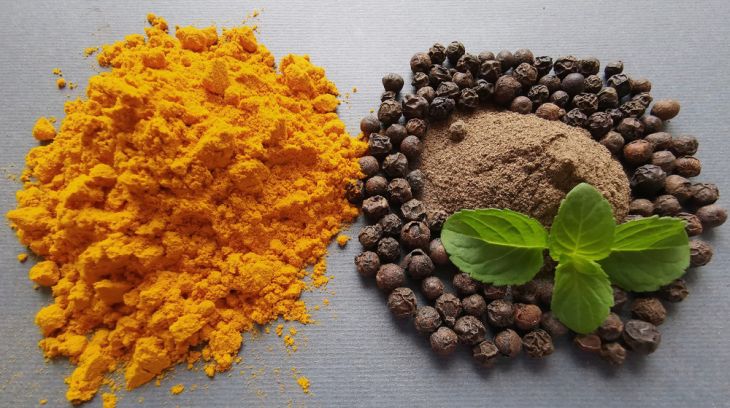
Turmeric is a golden-yellow spice derived from the root of the Curcuma longa plant. It has been used for centuries in traditional cuisines and wellness practices, particularly in Asia. The main active compound in turmeric is curcumin, which is known for its antioxidant and anti-inflammatory properties. Vitamin B12, on the other hand, is an essential water-soluble vitamin required for red blood cell formation, nerve function, DNA synthesis, and energy metabolism. While turmeric acts primarily as a protective plant compound, Vitamin B12 serves as a vital nutrient that the body cannot function without.
Understanding how these two components work together can help individuals make informed choices about nutrition and overall wellness.
Understanding Their Different Roles
Before exploring their combined benefits, it is important to recognize that turmeric and Vitamin B12 serve different purposes. Vitamin B12 is directly involved in essential biological processes. Without sufficient levels, the body may struggle to produce healthy blood cells, maintain nerve function, and support normal cell division.
Turmeric does not provide the same essential nutrient functions. Instead, it contains bioactive compounds that may help support the body's natural defense systems. Curcumin, in particular, is valued for its ability to help manage oxidative stress and support a healthy inflammatory response.
When consumed together as part of a nutritious diet, these substances can contribute to health from different angles—one by fulfilling critical physiological requirements and the other by providing supportive plant-based benefits.
Supporting Energy and Vitality
One of the most notable benefits of Vitamin B12 is its role in energy production. The vitamin helps the body convert food into usable energy and supports the formation of healthy red blood cells that transport oxygen throughout the body. When Vitamin B12 levels are low, individuals may experience fatigue, weakness, and reduced stamina.
Turmeric supports overall vitality in a different way. By contributing antioxidant compounds that help protect cells from oxidative stress, it may help the body maintain better overall function. While turmeric does not directly boost energy production, it can be a valuable addition to a healthy lifestyle focused on wellness and balance.
Together, they support energy and vitality through complementary mechanisms.
Benefits for Nervous System Health
The nervous system depends heavily on Vitamin B12. This nutrient helps maintain the myelin sheath, the protective layer surrounding many nerve fibers. Healthy myelin is necessary for efficient communication between the brain and the rest of the body.
A deficiency in Vitamin B12 can lead to symptoms such as:
-
Tingling or numbness in the hands and feet
-
Difficulty maintaining balance
-
Memory problems
-
Reduced concentration
-
Mood changes
Turmeric may also contribute to neurological wellness. Curcumin’s antioxidant properties help protect cells from oxidative stress, including cells within the nervous system. Although it cannot replace the essential functions of Vitamin B12, it may provide additional support for long-term brain and nerve health.
Supporting Healthy Aging
As people age, maintaining physical and mental well-being becomes increasingly important. Aging is often associated with increased oxidative stress, reduced nutrient absorption, and changes in cognitive function.
Vitamin B12 supports healthy aging by:
-
Promoting normal nerve function
-
Supporting red blood cell production
-
Helping maintain cognitive performance
-
Assisting in DNA synthesis and cellular repair
Turmeric contributes by:
-
Providing antioxidant protection
-
Supporting the body's response to inflammation
-
Helping maintain cellular health
-
Contributing beneficial plant compounds to the diet
Together, they offer a combination of nutritional support and cellular protection that may be beneficial throughout the aging process.
Role in Immune System Support
A strong immune system depends on many factors, including proper nutrition and overall health. Vitamin B12 supports immune function indirectly by helping produce healthy blood cells and supporting normal cellular activity.
Turmeric is often valued for its role in supporting the body's natural defense mechanisms. Curcumin has been studied for its influence on pathways related to inflammation and immune responses. While more research continues to explore these effects, turmeric remains a popular ingredient in wellness-focused diets.
Including both Vitamin B12-rich foods and turmeric-containing meals can help create a balanced nutritional foundation that supports overall health.
Supporting Cellular Health
Every day, the body produces millions of new cells to replace damaged or aging ones. Vitamin B12 is essential for DNA synthesis, a process necessary for creating new cells and supporting healthy cell division.
Without adequate Vitamin B12, cell production becomes impaired, particularly in tissues where cells divide rapidly. This can affect blood formation, tissue repair, and overall vitality.
Turmeric supports cellular health through its antioxidant activity. Antioxidants help reduce damage caused by free radicals, which can contribute to cellular stress over time.
Some of the combined benefits for cellular health include:
-
Support for DNA production
-
Promotion of healthy cell division
-
Assistance in tissue maintenance
-
Protection against oxidative stress
-
Support for long-term wellness
These complementary actions highlight the value of both nutrients within a balanced diet.
Dietary Sources and Incorporation
Obtaining Vitamin B12 and turmeric through food is often the most practical approach for many individuals.
Good sources of Vitamin B12 include:
-
Fish
-
Meat
-
Eggs
-
Milk
-
Cheese
-
Yogurt
-
Fortified cereals
Turmeric can be incorporated into the diet through:
-
Curries
-
Soups
-
Rice dishes
-
Smoothies
-
Herbal teas
-
Golden milk beverages
Combining nutrient-rich foods with flavorful spices such as turmeric can make meals both enjoyable and beneficial.
The Importance of Balance
While turmeric and Vitamin B12 each offer valuable benefits, neither should be viewed as a cure-all. Good health depends on a variety of factors, including a balanced diet, regular physical activity, quality sleep, hydration, and stress management.
Vitamin B12 is an essential nutrient that must be obtained regularly through food or supplements. Turmeric serves as a supportive dietary component that may enhance overall wellness through its natural compounds. Their greatest value comes when they are incorporated into a broader healthy lifestyle rather than relied upon individually.
Conclusion
The combined health benefits of turmeric and Vitamin B12 demonstrate how essential nutrients and natural plant compounds can work together to support overall well-being. Vitamin B12 plays a critical role in energy production, nerve function, DNA synthesis, and red blood cell formation, making it indispensable for health. Turmeric, through its active compound curcumin, contributes antioxidant and anti-inflammatory support that may help protect cells and promote wellness. Together, they offer complementary benefits for the nervous system, immune health, cellular function, and healthy aging. By including both Vitamin B12-rich foods and turmeric in a balanced diet, individuals can support their bodies with a combination of essential nutrition and natural wellness-promoting compounds.