How Is Exhaled-Breath Analysis Being Studied for Detecting Diseases?
What if a person's breath could reveal clues about their health? Scientists are exploring this possibility through exhaled-breath analysis, a research area that studies the chemicals present in the air people breathe out.
When we exhale, we release more than carbon dioxide and water vapor. Our breath can contain tiny amounts of other chemicals produced by normal body processes. Changes in these chemicals may sometimes be linked to infections, lung conditions, metabolic disorders, or other health problems.
What Is Exhaled-Breath Analysis?
Exhaled-breath analysis is a method of examining the air a person breathes out to look for substances that may provide information about their health.
One important group of substances studied by researchers is called volatile organic compounds, or VOCs. These are chemicals that can easily enter the air. Some are produced during normal metabolism, while others may be affected by inflammation, infection, diet, medicines, or environmental exposure.
Scientists investigate whether particular patterns of VOCs can help distinguish between healthy and diseased states.
Unlike many traditional tests, breath collection may not require needles or tissue samples. However, a breath test's usefulness depends on whether it can measure relevant substances accurately and reliably.
How Does Breath Analysis Work?
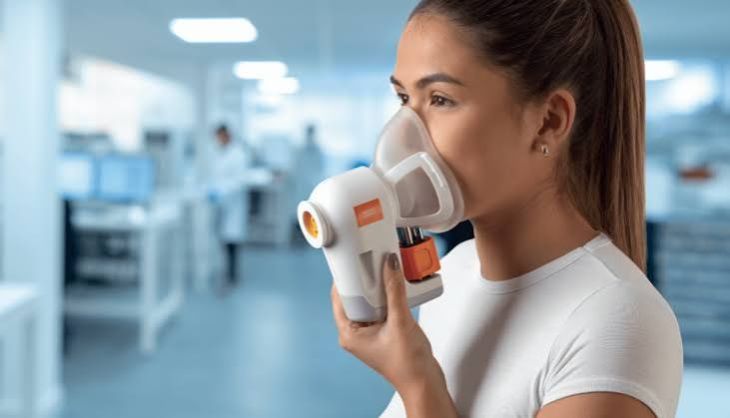
Breath analysis involves collecting an exhaled sample and measuring its chemical contents.
Collecting a Breath Sample
A person may breathe into a collection bag, a special tube, or a device designed for breath testing. The collection method depends on the technology being studied.
Researchers must control factors such as sample contamination, breathing patterns, and the timing of collection to improve consistency.
Identifying Chemical Compounds
Scientists use laboratory instruments to identify and measure substances in the sample. Some techniques can detect very small quantities of chemicals that are difficult to measure using simpler methods.
Using Sensors to Detect Changes
Researchers are also developing sensors that respond to selected chemicals in breath. Some experimental devices use arrays of sensors to recognize patterns rather than looking for a single substance.
Analyzing the Results
Computer programs and artificial intelligence may help identify patterns in the collected data. Researchers then compare these patterns with other test results and clinical information to determine whether they are associated with a particular disease.
A pattern linked to a disease in one research study does not automatically make it a reliable diagnostic test.
Can Breath Analysis Help Detect Lung Diseases?
Lung diseases are an important area of breath-analysis research because the air people exhale comes directly from the respiratory system.
Scientists are investigating whether breath chemistry could help identify signs associated with asthma, chronic obstructive pulmonary disease (COPD), respiratory infections, and other lung conditions.
For example, changes in certain breath compounds may reflect inflammation or changes in the body's metabolism. Researchers are studying whether these patterns could help assess disease activity or distinguish between different conditions.
Breath testing may eventually complement established tests, but it does not currently replace standard medical evaluation for most lung diseases.
How Is Breath Analysis Being Studied for Cancer Detection?
Cancer cells can have different metabolic activities from healthy cells. These differences may affect the chemicals released into the bloodstream and, in some cases, the compounds that appear in exhaled breath.
Researchers are studying breath-analysis methods for cancers such as lung cancer and other tumors. The goal is to identify chemical patterns that could help detect disease or determine who may need further testing.
Some experimental systems use sensor arrays, sometimes described as electronic noses, to recognize combinations of chemicals.
However, breath patterns can be influenced by smoking, diet, medicines, other illnesses, and environmental exposure. Scientists must show that a test can distinguish cancer from these other influences before it can be relied upon for screening or diagnosis.
Could Breath Analysis Help Detect Infections?
Infections can change the body's metabolism and inflammatory responses. Researchers are exploring whether these changes create measurable patterns in exhaled breath.
Some studies have investigated breath-based approaches for identifying respiratory infections. Depending on the technology, a test may detect chemicals produced by the body during infection or substances associated with the infectious organism itself.
These methods could potentially provide an additional way to investigate infections without collecting invasive samples. However, breath analysis cannot reliably identify every infection, and established tests may still be needed to confirm the cause.
Can Breath Analysis Help Monitor Diabetes and Other Metabolic Conditions?
The body produces different chemicals as it processes food and uses energy. Certain compounds in breath may change when metabolism is altered.
For example, acetone in exhaled breath has been studied as a possible marker related to fat metabolism and ketone production. Researchers are investigating whether breath sensors could help monitor aspects of metabolic health.
However, breath acetone cannot replace blood glucose measurements or other established tests used to manage diabetes. A person's breath chemistry can also be affected by diet, exercise, fasting, and other factors.
What Are the Benefits of Exhaled-Breath Analysis?
Breath analysis has several potential advantages:
Non-invasive collection: Most methods do not require needles or surgical procedures.
Convenience: Collecting a breath sample can be simple when the equipment is designed for easy use.
Research into early detection: Scientists are investigating whether chemical changes could appear before obvious symptoms develop.
Repeated monitoring: Breath samples may be collected repeatedly to study changes over time.
Potential portability: Some sensor-based devices are being developed for use outside specialized laboratories.
These benefits depend on the specific test and its proven performance.
What Challenges Must Researchers Overcome?
Despite its promise, breath analysis faces several challenges.
Chemical complexity: Exhaled breath contains many compounds, and the relevant disease-related signals may be present in extremely small amounts.
Variation between people: Age, diet, smoking, medication, exercise, and other factors can change breath chemistry.
Accuracy: A test must reliably distinguish a disease from healthy conditions and from other illnesses with similar chemical patterns.
Standardization: Differences in sample collection, equipment, and data analysis can make research results difficult to compare.
Clinical validation: Large, well-designed studies are needed to establish how accurately a breath test works in real-world healthcare settings.
What Is the Future of Breath-Based Disease Detection?
Scientists are combining chemical analysis, advanced sensors, and artificial intelligence to improve breath-testing methods. These tools may help recognize complex chemical patterns more quickly and could eventually make some tests easier to use.
In the future, validated breath tests may help with disease screening, treatment monitoring, or deciding when additional medical tests are needed. However, their usefulness will depend on strong clinical evidence and clear guidance about when the results should influence medical decisions.
For now, people should not rely on experimental breath-analysis devices to diagnose or rule out a disease.
FAQs
Can a breath test detect diseases?
Some breath tests are used for specific medical purposes, while many disease-detection methods remain under research. Each test must be validated for the condition it is intended to detect.
Is breath analysis painful?
Breath collection is generally non-invasive and painless. The person usually breathes into a collection device or follows instructions provided by a healthcare professional.
Can breath analysis detect cancer early?
Researchers are investigating whether breath chemistry could help detect certain cancers earlier. More evidence is needed before most experimental breath tests can be recommended for routine cancer screening.
What are volatile organic compounds in breath?
Volatile organic compounds are chemicals that can enter the air easily. Some are produced by normal body processes, and researchers study whether changes in their levels or patterns are associated with disease.
Can breath analysis replace blood tests?
Not generally. Breath analysis may eventually complement certain medical tests, but it cannot replace established blood tests or other diagnostic methods unless evidence supports its use for a specific purpose.
Conclusion
Exhaled-breath analysis is an emerging research area that could provide new ways to investigate disease through simple, non-invasive sample collection. Scientists are studying its potential applications in lung conditions, cancer, infections, and metabolic disorders. Although early findings are promising, chemical complexity, individual differences, and the need for clinical validation remain important challenges. With continued research, reliable breath tests may become useful additions to medical testing, helping clinicians gather information about health more conveniently.