Breakthrough Medical Innovations That Could Shape the Future
Healthcare is changing very quickly because of new scientific discoveries and technology.
These changes are making it easier to find, treat, and prevent diseases.Medical breakthroughs that once seemed impossible are now becoming part of everyday practice, leading to better patient results and more efficient care.From AI helping doctors detect diseases to gene-editing techniques targeting genetic disorders, modern medicine is entering a new era of precision and individualized treatment.Wearable devices, robotic surgeries, and digital healthcare tools are also helping people track their health more closely and giving doctors better tools to provide care.These innovations are not only increasing survival chances but also improving the quality of life for millions of people worldwide.As research continues to grow, the future of healthcare promises safer treatments, quicker diagnoses, and better access to medical services.Understanding these breakthroughs can help patients, healthcare workers, and decision-makers get ready for the exciting changes that are coming in the medical field.
Artificial Intelligence Is Revolutionizing Medical Diagnosis
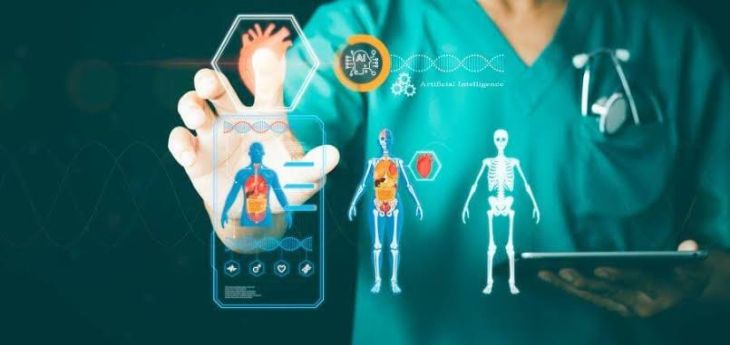
Artificial Intelligence (AI) has become one of the most important changes in modern healthcare.
AI systems can quickly and accurately analyze medical images, test results, and patient records.In radiology, AI helps doctors spot problems in X-rays, CT scans, and MRIs that could indicate diseases such as cancer, pneumonia, or brain disorders.AI algorithms can also help detect heart disease by looking at electrocardiograms and finding patterns that might be hard for humans to see.Many hospitals are using AI to help with urgent cases, cut down on mistakes, and improve care.Beyond diagnosis, AI-powered assistants help patients book appointments, answer health questions, and remind them to take medicine.Scientists are also creating models that predict disease risks based on a person’s medical history and lifestyle, which allows for earlier preventive care.While AI can’t replace doctors, it is a strong tool that improves decision-making and makes healthcare more efficient.As technology gets better, AI is expected to become a major part of future medical practice.
Gene Editing and Personalized Medicine Offer New Hope
Gene-editing technologies like CRISPR are creating new possibilities for treating genetic diseases that were once hard to manage.
Scientists are working to change genes that cause conditions such as sickle cell disease, certain blood disorders, and some inherited immunity issues.Even though research is still ongoing, these developments could greatly improve patient results.Along with gene editing, personalized medicine is changing the way treatments are given.Instead of a "one-size-fits-all" approach, doctors use genetic testing to understand how an individual’s body reacts to different medicines and treatments.This allows for more tailored care that is more effective and has fewer side effects.For example, personalized cancer treatments focus on specific genetic changes in tumors, leading to more targeted therapies.Advances in biotechnology also help scientists find biomarkers that can show how diseases progress or how well treatments work.These changes are leading to healthcare that is customized for each person rather than following general guidelines.As research grows, personalized medicine is expected to become more common in many medical fields.
Robotics and Smart Medical Devices Improve Patient Care
Medical robotics has changed the way surgeries are performed by giving surgeons more precision and control.
Robotic-assisted surgeries often involve smaller cuts, less blood loss, less pain after surgery, and faster recovery times compared to traditional methods.Surgeons can work with better views and highly accurate movements, making difficult operations safer in some cases.In addition to robotics, smart wearable devices are growing in popularity.Fitness trackers and smartwatches can check heart rate, oxygen levels, physical activity, sleep quality, and even detect unusual heart rhythms.Continuous glucose monitors help people with diabetes manage their blood sugar levels without repeated finger pricks.Remote monitoring devices also allow healthcare providers to watch over people with chronic illnesses from their homes, reducing the need for hospital visits.These connected devices send real-time health information that helps catch problems early.
Future Healthcare Will Focus on Prevention and Accessibility
One of the biggest changes in healthcare is the growing focus on prevention instead of just treating diseases after they appear.
Advances in digital health, telemedicine, and predictive analytics are making preventive care more available than ever.Telemedicine lets patients talk to doctors from anywhere, saving travel time and helping people in remote areas get medical advice.Digital health platforms encourage healthier living by offering personalized exercise plans, nutrition tips, and reminders for medication.Researchers are also developing better vaccines, regenerative medicine, and stem cell therapies that could offer more treatment options for different conditions in the future.Three-dimensional bioprinting is another area of hope, with scientists looking into making tissues and even transplantable organs.Although many of these technologies are still being developed, they show where modern healthcare is heading.More teamwork between researchers, doctors, governments, and technology companies will be key to making sure these innovations are safe, effective, affordable, and available to everyone around the world.
Conclusion
Breakthrough medical innovations are changing healthcare in ways that were once unthinkable.
AI, gene editing, personalized medicine, robotic surgeries, wearable health tools, and digital health platforms are all helping to improve diagnosis, treatment, and disease prevention.These advancements offer hope for better patient outcomes, quicker medical responses, and more efficient healthcare systems.However, along with innovation, important issues like ethics, patient privacy, cost, and equal access must be considered.Using these technologies responsibly will ensure that scientific progress helps society as a whole.