Understanding Brain Infections and Their Effects on the Body
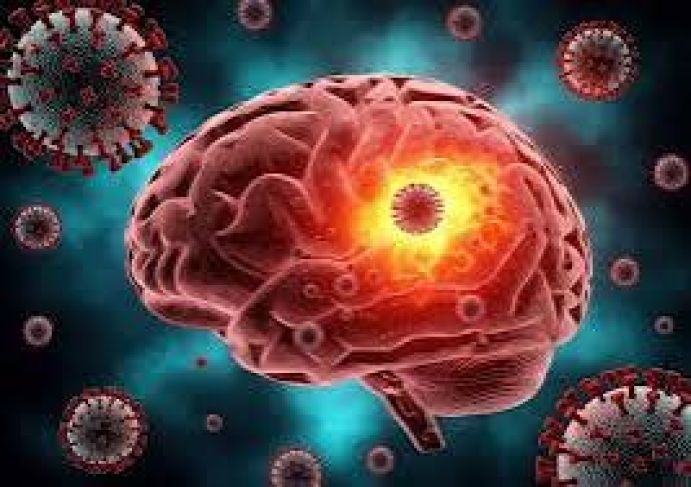
The human brain is one of the most heavily guarded and secure organs in the body, protected by the skull, the cerebrospinal fluid, and the highly selective blood-brain barrier. Despite these formidable defense mechanisms, pathogens—including bacteria, viruses, fungi, and parasites—can occasionally breach these barriers and cause serious infections within the central nervous system (CNS). Brain infections are critical medical emergencies that require rapid diagnosis and immediate intervention, as the delicate nature of neural tissue means that inflammation, increased pressure, and cellular destruction can quickly lead to life-threatening complications. Understanding how these infections develop, how they disrupt brain architecture, and how they trigger widespread systemic reactions across the entire body is essential for recognizing early warning signs and improving clinical outcomes.
The Breach: How Pathogens Enter the Central Nervous System
To understand brain infections, one must first examine the routes by which microscopic invaders bypass the body's natural security systems. Pathogens typically reach the central nervous system through several distinct pathways, depending on the specific causative agent and the individual's underlying health status.
-
Bloodstream Dissemination (Hematogenous Spread): The most common route involves pathogens entering the bloodstream from an infection elsewhere in the body—such as pneumonia, a sinus infection, a urinary tract infection, or dental abscesses. Once circulating, these microbes can cross the blood-brain barrier or infect the endothelial cells lining the cerebral blood vessels, gaining direct access to brain tissue.
-
Direct Extension from Adjacent Structures: Infections of the middle ear (otitis media), the mastoid air cells, the nasal sinuses, or the teeth can spread directly through the thin bone walls that separate these structures from the cranial cavity.
-
Direct Trauma or Surgical Introduction: Open head injuries, penetrating skull fractures, or neurosurgical procedures can provide a direct physical pathway for environmental bacteria or fungi to enter the sterile environment of the brain and meninges.
-
Peripheral Nerve Transport: Certain neurotropic viruses, such as the rabies virus or herpes simplex virus, utilize retrograde axonal transport, traveling inward along the pathways of peripheral or cranial nerves directly into the central nervous system.
Major Types of Brain and Central Nervous System Infections
Brain infections are generally categorized based on the specific anatomical structures they target and the nature of the offending pathogen. Each condition presents distinct pathological characteristics and clinical symptoms.
Meningitis
Meningitis is an inflammation of the meninges—the three protective membranes (the dura mater, arachnoid mater, and pia mater) that envelop and cushion the brain and spinal cord. It can be caused by viral, bacterial, or fungal agents. Bacterial meningitis is notoriously aggressive and medical emergencies can unfold within hours, causing severe inflammation, swelling, and potential damage to cranial nerves. Viral meningitis, while more common and generally less severe, still causes significant systemic discomfort, headache, and photophobia.
Encephalitis
While meningitis affects the surrounding membranes, encephalitis is an acute inflammation of the brain parenchyma—the actual functional tissue of the brain itself. Most cases of encephalitis are viral in origin, stemming from enteroviruses, arboviruses transmitted by mosquitoes, or the herpes simplex virus. Because the inflammation occurs directly within neural networks, encephalitis frequently alters brain function, causing confusion, behavioral changes, seizures, sensory disturbances, and altered levels of consciousness.
Brain Abscesses
A brain abscess is a localized, pus-filled collection of infection surrounded by a protective capsule, typically developing as a complication of a bacterial or fungal infection spreading from another body site, a direct head injury, or a dental procedure. As the abscess grows, it acts as a space-occupying lesion, increasing intracranial pressure and exerting mechanical force on surrounding brain tissue, which can lead to focal neurological deficits depending on its exact location.
The Neurological and Cellular Impact
Once a pathogen establishes an infection within the central nervous system, it triggers a cascade of destructive cellular events that profoundly alter brain function. The damage stems from a combination of direct microbial toxicity and the body's own aggressive immune response.
When immune cells detect invaders inside the central nervous system, they release inflammatory signaling molecules known as cytokines and chemokines. While this immune activation is designed to destroy the pathogen, it also increases the permeability of the blood-brain barrier, allowing fluid to leak into the brain tissue and causing vasogenic edema—widespread brain swelling. Because the brain is encased within the rigid, unyielding bone of the skull, this swelling leads to a dangerous rise in intracranial pressure (ICP).
As intracranial pressure climbs, it compresses delicate blood vessels, restricting cerebral blood flow and depriving neurons of vital oxygen and glucose. Furthermore, the local inflammatory environment disrupts normal neurotransmitter signaling, damages myelin sheaths, and can trigger neuronal apoptosis (programmed cell death). This dual assault of swelling and cellular toxicity explains why brain infections frequently result in long-term neurological consequences, including memory deficits, motor weakness, sensory loss, and chronic seizure disorders.
Systemic Effects: How Brain Infections Impact the Entire Body
While the primary battleground of a brain infection is localized within the cranial cavity, the effects of the condition reverberate throughout the entire human body, triggering widespread systemic responses.
-
SIRS and Sepsis: Particularly in severe bacterial meningitis or systemic encephalitis, the overwhelming immune response can spill over into the general circulation, leading to systemic inflammatory response syndrome (SIRS) or full-scale sepsis. Blood pressure can drop dangerously low (septic shock), impairing perfusion to all major organs.
-
Autonomic Nervous System Disruption: The brainstem houses vital autonomic centers that regulate heart rate, blood pressure, body temperature, and respiration. When inflammation or swelling affects these deep brain structures, patients may experience profound autonomic instability, characterized by wild fluctuations in blood pressure, erratic heart rhythms, and dangerous body temperature dysregulation.
-
Metabolic and Endocrine Imbalances: The hypothalamus, responsible for regulating hormones and fluid balance, can be compromised by central nervous system infections. This often leads to severe metabolic disturbances, such as the syndrome of inappropriate antidiuretic hormone secretion (SIADH), resulting in dangerous electrolyte imbalances like profound hyponatremia (low blood sodium).
-
Musculoskeletal and Peripheral Complications: Prolonged bedrest, severe muscle rigidity, and catabolic states induced by systemic infection can lead to profound muscle wasting, joint contractures, and peripheral nerve compression injuries, requiring extensive rehabilitation during recovery.
Clinical Diagnosis and Emergency Management
Diagnosing a brain infection requires rapid, highly coordinated medical intervention. Because time is critical in preventing permanent neurological disability or death, clinicians utilize a combination of clinical assessments, diagnostic imaging, and laboratory testing.
-
Lumbar Puncture (Spinal Tap): Examining the cerebrospinal fluid (CSF) obtained via a lumbar puncture is the cornerstone of diagnosing meningitis and many forms of encephalitis. Analysis of CSF pressure, white blood cell counts, protein levels, glucose levels, and polymerase chain reaction (PCR) testing can rapidly identify whether the infection is bacterial, viral, or fungal.
-
Neuroimaging: Magnetic resonance imaging (MRI) and computed tomography (CT) scans are essential for visualizing brain swelling, identifying localized abscesses, ruling out structural shifts, and detecting areas of tissue necrosis or hemorrhage.
-
Blood Cultures and Laboratory Workup: Blood tests help identify circulating pathogens, evaluate systemic inflammatory markers, and monitor organ function.
Emergency treatment involves the immediate administration of targeted antimicrobial therapies—such as high-dose intravenous antibiotics for bacterial infections, antiviral medications like acyclovir for viral encephalitis, or antifungal agents when appropriate. Corticosteroids are frequently administered alongside antimicrobials to reduce dangerous brain swelling and minimize long-term neurological damage. Supportive care, including mechanical ventilation, seizure management, and fluid optimization in an intensive care unit (ICU), is vital during the acute phase.
Conclusion
Brain infections represent profound medical challenges where microscopic pathogens breach the central nervous system, triggering severe neuroinflammation, cellular damage, and dangerous increases in intracranial pressure. By understanding how these infections develop—whether through the bloodstream, direct trauma, or adjacent structures—and recognizing their widespread impact on both the brain and the entire body, medical professionals can act swiftly to deploy life-saving interventions. Through rapid diagnostic protocols, targeted antimicrobial therapy, and comprehensive critical care, modern medicine continues to improve survival rates and enhance functional recovery for individuals facing these severe neurological conditions.