How Blood Pressure Medicines Help Control Hypertension
It often happens without any obvious signs, so it's sometimes called "the silent killer." If not treated, high blood pressure can hurt blood vessels and increase the chance of serious health issues like heart attack, stroke, kidney disease, heart failure, and vision loss.However, hypertension can often be managed through a mix of healthy lifestyle habits and prescribed medications.Blood pressure medicines are important when lifestyle changes alone aren’t enough to keep blood pressure in a healthy range.These medicines work in different ways depending on the patient's condition, age, and overall health.Some help blood vessels relax, while others reduce fluid levels in the body or slow down the heart rate.Doctors carefully pick the best medication based on individual needs and may use more than one type to get the best results.Knowing how these medicines work helps patients stick to their treatment and understand the importance of taking them exactly as prescribed for long-term health and disease prevention.
Understanding How Blood Pressure Medicines Work
Blood pressure medicines are made to lower the force of blood flowing through the arteries.
Different medicines target various parts of the body that help control blood pressure.Diuretics, which are often called water pills, help the kidneys remove extra salt and water, reducing the fluid in the bloodstream.ACE inhibitors and angiotensin receptor blockers work by stopping hormones that make arteries narrow, helping them relax.Calcium channel blockers stop calcium from entering the heart and blood vessel muscles, keeping arteries open.Beta-blockers reduce the heart's workload by slowing the heart rate and decreasing the force of each beat.Some people might also take medicines like alpha-blockers, vasodilators, or centrally acting agents, depending on their medical history.Since hypertension affects people in different ways, doctors often start with one medicine and adjust treatment over time based on blood pressure readings and side effects.The main goal is to lower blood pressure safely while keeping blood flow normal and reducing long-term stress on the heart and blood vessels.
Why Consistent Medication Use Matters
Taking blood pressure medicine regularly is one of the most important things for managing hypertension successfully.
Many people stop taking their medication when they start to feel better or when their blood pressure readings improve.However, hypertension often doesn't have any symptoms, and stopping treatment without medical advice can cause blood pressure to rise again, increasing the risk of serious complications.Blood pressure medicines work best when taken at the same time each day, allowing the medication to stay at a steady level in the body.Patients should never skip a dose, take double doses, or change their medication without talking to a healthcare provider.Regular blood pressure monitoring helps doctors see if the treatment is working or if changes are needed.Some people may have mild side effects during the first few weeks of treatment, but these often get better over time or can be managed by changing the medication.Talking openly with healthcare professionals helps patients address concerns and continue treatment safely.Taking medication consistently for a long time greatly reduces the risk of stroke, heart attack, kidney damage, and other issues from uncontrolled hypertension.
Lifestyle Changes That Improve Medication Effectiveness
Although blood pressure medicines are very effective, they work even better when combined with healthy lifestyle habits.
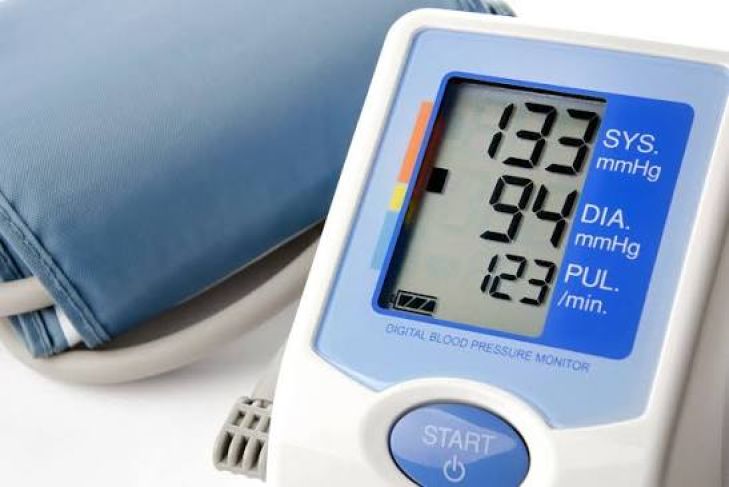
Eating a balanced diet with plenty of fruits, vegetables, whole grains, lean proteins, and low-fat dairy helps keep blood pressure healthy.Reducing salt intake helps prevent fluid retention, which makes medicines work better.Keeping a healthy weight can also lower the amount of medication some people need over time.Regular physical activity strengthens the heart and improves circulation, while limiting alcohol and avoiding tobacco further protect heart health.Managing stress through relaxation, meditation, enough sleep, or hobbies can also help better control blood pressure.People with diabetes, kidney disease, or high cholesterol should manage these conditions as well, since they can make hypertension worse.Healthcare providers often recommend using home blood pressure monitors so patients can track their progress between visits.
Long-Term Benefits and Future of Hypertension Treatment
Modern blood pressure medicines have greatly reduced deaths and disabilities from heart disease. reducing the chance of stroke and memory loss.The kidneys benefit because controlled blood pressure prevents damage to the small units that clean the blood.Researchers are developing new medicines with better safety, fewer side effects, and longer-lasting effects that may require fewer daily doses.Advances in personalized medicine are also helping doctors choose the best treatments based on a patient's genes, medical history, and overall health.Digital health tools, wearable devices, and remote monitoring are making it easier for healthcare providers to track progress and adjust treatment when needed.
Conclusion
Blood pressure medicines are a key part of treating hypertension and preventing serious complications like heart attack, stroke, kidney disease, and heart failure.
These medicines work in different ways to safely and effectively lower blood pressure, helping millions live healthier lives.However, medicine alone isn't enough.The best results come from combining prescribed treatment with healthy eating, regular exercise, weight management, stress reduction, and regular medical checkups.Patients should always take their medications exactly as directed and never stop treatment without talking to their healthcare provider, even if they feel fine.