How Autoimmune Diseases Can Affect Different Organs
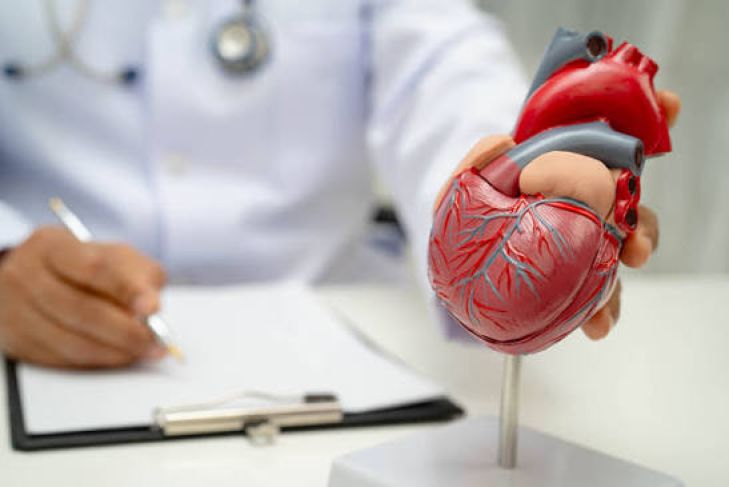
The human immune system operates as a highly sophisticated defense network designed to distinguish between native physiological cells and foreign invaders such as bacteria, viruses, and parasites. In healthy individuals, specialized white blood cells and biochemical antibodies maintain strict self-tolerance. However, in people with autoimmune diseases, this protective regulatory barrier fails entirely. The immune system mistakenly mounts an aggressive inflammatory attack against normal, healthy tissues throughout the body. Because immune cells circulate continuously through the bloodstream and lymphatic vessels, these pathological responses rarely remain isolated to a single site. Instead, autoimmune disorders frequently target multiple organ systems simultaneously, producing complex, systemic clinical presentations that require precise diagnostic evaluation and specialized multidisciplinary management.
Systemic Lupus Erythematosus and Multi-Organ Inflammation
Systemic Lupus Erythematosus stands as a classic prototype of a multi-system autoimmune disease characterized by the widespread production of autoantibodies and circulating immune complexes. These abnormal protein complexes deposit within diverse tissues, triggering severe inflammatory cascades that notably affect the skin, joints, kidneys, and serous membranes surrounding the heart and lungs. Patients frequently experience chronic joint pain, profound fatigue, and characteristic cutaneous manifestations like the butterfly-shaped facial rash. Furthermore, lupus nephritis—inflammation of the microscopic filtering units within the kidneys—can lead to progressive protein loss and renal impairment, while pericarditis or pleuritis can cause chest pain and respiratory discomfort, demonstrating the profound multi-organ reach of the disease.
Rheumatoid Arthritis and Joint and Systemic Damage
Rheumatoid Arthritis is a chronic, inflammatory autoimmune condition that primarily attacks the synovial membranes lining the joints, though its pathological effects extend well beyond the musculoskeletal system. The immune system recruits inflammatory cells into the joint space, forming a destructive tissue layer called pannus that progressively erodes adjacent cartilage and bone, resulting in severe pain, swelling, and permanent joint deformity. Beyond the joints, systemic inflammation can impact cardiovascular health by accelerating atherosclerosis, affect pulmonary tissue to cause interstitial lung disease, and produce subcutaneous rheumatoid nodules. This dual nature highlights how localized autoimmune attacks can drive widespread systemic complications and metabolic stress.
Hashimoto’s Thyroiditis and Endocrine Destruction
Hashimoto’s Thyroiditis represents the most common autoimmune endocrine disorder, wherein the immune system selectively targets the thyroid gland located in the anterior neck. Autoantibodies directed against thyroid peroxidase and thyroglobulin gradually infiltrate the thyroid tissue, inducing chronic lymphocytic inflammation and the progressive destruction of hormone-producing follicular cells. As functional thyroid tissue is replaced by fibrous scar tissue, the gland fails to produce adequate levels of thyroxine and triiodothyronine, plunging the body into systemic hypothyroidism. This metabolic slowdown affects virtually every organ system in the body, causing chronic fatigue, weight gain, sluggish cognitive processing, elevated cholesterol levels, and reduced heart muscle contractility.
Multiple Sclerosis and Central Nervous System Demyelination
Multiple Sclerosis is a chronic autoimmune and inflammatory disorder targeting the central nervous system, which encompasses both the brain and the spinal cord. In this condition, autoreactive T-cells breach the blood-brain barrier and attack the protective myelin sheath that insulates nerve fibers, as well as the underlying neuronal cells themselves. This destructive process strips away insulation and forms scarred plaques that disrupt the rapid transmission of electrical signals along neural pathways. Depending on the precise anatomical location of these demyelinating lesions, patients experience diverse neurological symptoms, including progressive muscle weakness, loss of coordination, visual disturbances, sensory numbness, and cognitive fatigue, reflecting widespread central nervous system impairment.
Inflammatory Bowel Disease and Gastrointestinal Manifestations
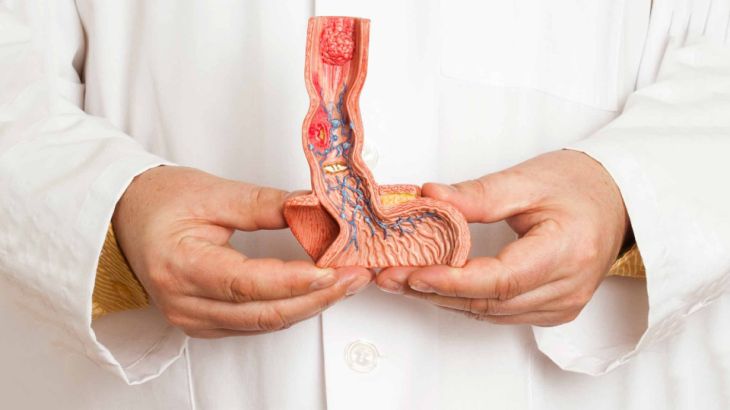
Inflammatory Bowel Disease encompasses chronic, relapsing autoimmune and immune-mediated inflammatory conditions of the gastrointestinal tract, primarily comprising Crohn’s disease and ulcerative colitis. In Crohn’s disease, transmural inflammation can affect any portion of the digestive tract from the mouth to the anus, creating deep ulcers, strictures, and fistulas, whereas ulcerative colitis focuses continuous mucosal inflammation within the colon and rectum. Patients experience chronic abdominal cramping, severe diarrhea, rectal bleeding, and significant nutritional malabsorption. Additionally, the chronic systemic inflammatory state frequently triggers extra-intestinal autoimmune manifestations, such as painful joint inflammation, skin lesions, and ocular complications.
Conclusion
Autoimmune diseases represent a diverse group of complex medical conditions where immune system dysregulation turns the body's defenses against its own healthy tissues. By examining how systemic autoimmunity targets specific anatomical sites—from the multi-organ inflammatory cascades of lupus and rheumatoid arthritis to the localized endocrine destruction of Hashimoto's thyroiditis, the central nervous system demyelination of multiple sclerosis, and the gastrointestinal damage of inflammatory bowel disease—clinicians and patients gain critical insight into these systemic disorders. Early recognition of overlapping symptoms, precise immunological testing, and comprehensive, multidisciplinary therapeutic strategies are essential for controlling chronic inflammation, preserving target organ function, and improving the long-term quality of life for affected individuals.