How AI Is Helping Doctors Detect Diseases Earlier
Finding health problems early can make a big difference in treating many diseases. When a health issue is found at an early stage, doctors may have more time to manage it before it gets worse.Artificial intelligence (AI) is becoming a helpful tool in this area.By quickly going through a lot of medical information, AI systems can help doctors notice patterns that might be hard to see during a regular checkup.AI is being used in many areas of medicine, like looking at medical images, lab tests, assessing disease risk, and keeping an eye on patients.It doesn't take the place of doctors or make all medical choices on its own.Instead, it can give extra information that healthcare professionals can use along with a patient's symptoms, medical history, physical exam, and test results.As technology improves, AI might make early diagnosis faster and allow doctors to spend more time on patients who need more care.
AI Can Analyze Medical Images Quickly
One of the most promising uses of AI in healthcare is analyzing medical images.
Doctors often look at X-rays, CT scans, MRIs, ultrasounds, mammograms, and other diagnostic images.Reviewing these can take a lot of time and focus, especially when there are many patients.AI systems can go through medical images and find patterns that might need more attention.For example, computer programs can be trained to recognize signs of certain problems.In some cases, AI can point out areas that look suspicious, helping a radiologist focus on those parts more closely.This technology might be especially helpful when a condition causes small changes that are hard to notice.However, an AI result isn't the same as a diagnosis.Doctors still need to look at the full medical picture and decide if more tests are needed.The biggest benefit could come from combining AI's fast analysis with human expertise.AI can process images quickly, while doctors can understand the findings in the context of a patient's symptoms, past medical history, and other clinical details.This combination might help detect diseases earlier and more consistently.
AI Helps Identify Patterns in Patient Data
Modern healthcare creates a lot of information.
A patient's medical record can include lab results, prescriptions, past diagnoses, vital signs, imaging reports, and other clinical notes.Going through all of this by hand can be hard, especially when the data is spread out over many years.AI can help organize and analyze that information to spot patterns that might need medical attention.Machine-learning systems can be trained using large sets of data to find connections between different health factors.For instance, researchers are exploring AI tools that can estimate the risk of certain diseases based on a mix of clinical measurements and patient characteristics.However, this doesn't mean an algorithm can predict the future with certainty.Health is affected by many factors, and AI can sometimes give wrong or incomplete results.Its performance also depends a lot on the quality and variety of the data used to develop it.When used carefully, AI can be an extra screening and decision-making tool.It might help doctors find patients who could benefit from more tests or closer attention.Early attention can be especially important when a disease has few noticeable symptoms in the beginning.
AI Is Supporting Earlier Detection of Serious Diseases
Researchers and healthcare organizations are looking into AI for early detection across many medical conditions.
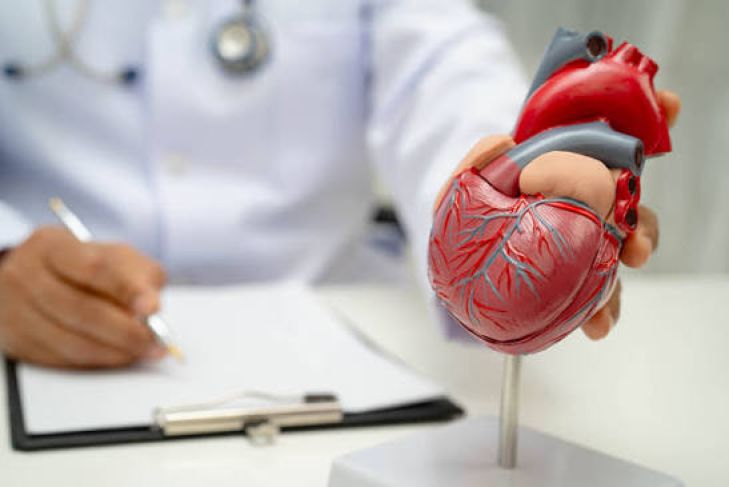
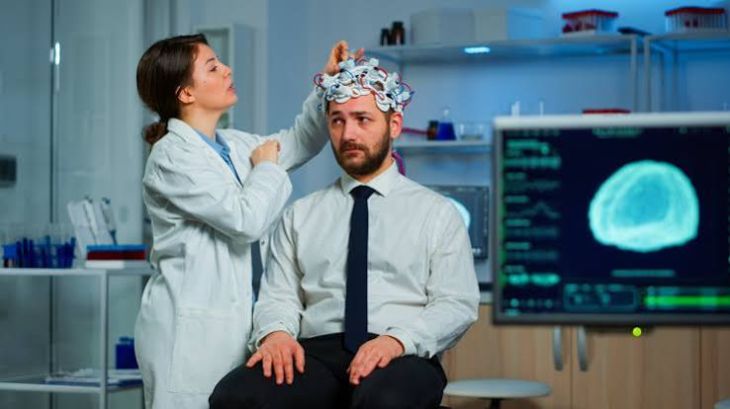
Cancer is one key area because finding certain cancers early can lead to more treatment options.AI tools can help examine medical images and other clinical data that might show signs of disease.AI is also being studied for heart conditions.Algorithms can look at health measurements and patterns to help identify people who might need more testing.Similar work is happening in areas like eye disease, neurological disorders, lung conditions, and infectious diseases.Another important use involves lab and genetic information.Advanced computer systems can analyze complex biological data and look for patterns linked to specific conditions.This can help researchers better understand diseases and support more personalized diagnosis methods.However, AI shouldn't be seen as a universal disease detector.
Human Expertise Remains Essential in AI-Assisted Diagnosis
Even though AI has many capabilities, it can't replace the knowledge, judgment, and communication skills of healthcare professionals.
A diagnosis involves more than just recognizing a pattern in data.Doctors take into account symptoms, physical findings, personal history, medications, family background, test results, and a patient's unique situation.AI systems can also make mistakes.An algorithm might miss something, give a false alert, or behave differently when used with data that's different from what it was trained on.Bias in medical data can affect how well AI works and lead to unfair results for different groups of patients.For these reasons, using AI responsibly needs clinical oversight, proper testing, data protection, and ongoing evaluation.Healthcare professionals should understand the limits of the systems they use rather than treating computer outputs as final answers.Patient privacy is another big concern.
Conclusion
AI is changing how doctors analyze medical information and could help detect many diseases earlier.
From medical images to patient records and lab data, artificial intelligence can process complex information and find patterns that need attention.Its role is best seen as support rather than replacement.Doctors are needed to determine if an AI finding is meaningful and what the next steps should be.Reliable AI systems must also be carefully tested, watched, and used with care for patient privacy and fairness.As research continues, AI might become more involved in screening, diagnosis, and patient monitoring.