How 3D Printing Is Being Used in Modern Healthcare
Also known as additive manufacturing, 3D printing creates three-dimensional objects by building them layer by layer from digital designs.This technology has moved far beyond industrial manufacturing and is now becoming an important part of hospitals, research laboratories, and medical device companies.Doctors, surgeons, and engineers are working together to create customized solutions that improve patient care and treatment outcomes.From producing patient-specific prosthetic limbs to creating surgical models that help doctors prepare for complex procedures, 3D printing offers flexibility and precision that traditional manufacturing methods cannot easily provide.Researchers are also exploring the possibility of printing tissues and organs, which could transform transplant medicine in the future.Although some applications are still under development, many healthcare organizations already use 3D printing in daily medical practice.
Customized Medical Devices and Prosthetics
One of the biggest advantages of 3D printing in healthcare is the ability to create personalized medical devices.
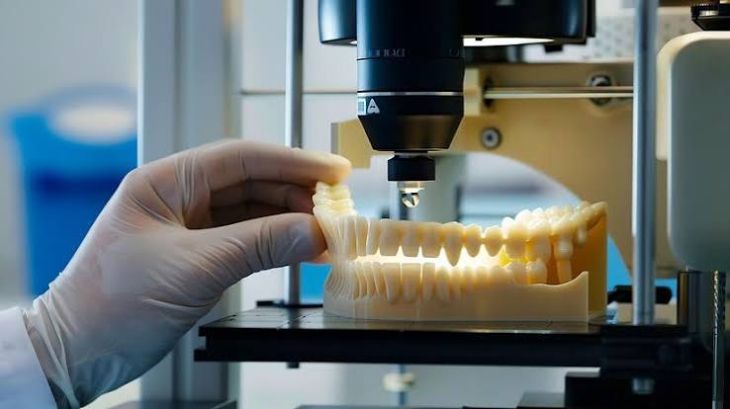
Every patient has a unique body structure, and standard-sized implants or prosthetics may not always provide the best fit.Using medical imaging technologies such as CT scans or MRI scans, healthcare professionals can design devices that perfectly match the patient's anatomy.This improves comfort, function, and overall treatment success.Customized prosthetic limbs are particularly beneficial for children, who require frequent replacements as they grow.Traditional prosthetics can be expensive and time-consuming to manufacture, while 3D printing offers a faster and often more affordable solution.Dentists also use this technology to produce crowns, bridges, orthodontic aligners, and dental models with impressive accuracy.Orthopedic specialists create patient-specific bone implants that improve surgical precision and reduce recovery time.The ability to rapidly produce customized devices also helps patients receive treatment sooner.As software, materials, and printing techniques continue to advance, personalized medical equipment is becoming increasingly available, allowing healthcare providers to deliver treatments tailored to each individual's specific needs while improving patient satisfaction and clinical outcomes.
Improving Surgical Planning and Medical Education
3D printing has significantly improved how surgeons prepare for complex operations.
Before performing difficult procedures, doctors can create detailed physical models of a patient's organs, bones, or blood vessels using medical imaging data.These models allow surgeons to study the exact anatomy before entering the operating room.Practicing on a realistic model helps identify potential challenges, reduce surgical risks, and improve confidence during the actual procedure.This preparation can shorten operation times and enhance patient safety.Medical students and trainee surgeons also benefit from 3D-printed anatomical models because they provide hands-on learning experiences without relying solely on cadavers or digital simulations.Hospitals use these models to explain surgical procedures to patients and their families, making complex medical information easier to understand.Better communication often reduces anxiety and helps patients make informed decisions about their treatment.In specialties such as neurosurgery, cardiovascular surgery, and orthopedic surgery, patient-specific models have become valuable educational and planning tools.As printing quality improves, these models continue to support better clinical decision-making and enhance both medical education and patient care.
Advancing Tissue Engineering and Organ Research
Perhaps the most exciting area of medical 3D printing is the development of biological tissues and organs.
Scientists are working on a process called bioprinting, where living cells are combined with specialized materials to create tissue-like structures.Although fully functional printed organs for transplantation are still under research, significant progress has already been made in producing skin tissue, cartilage, and small tissue samples for laboratory studies.These printed tissues help researchers test new medicines more accurately while reducing dependence on animal testing in some situations.Pharmaceutical companies can study how drugs interact with human cells before beginning clinical trials, potentially improving both safety and efficiency.Researchers also hope that one day bioprinted organs may help address the worldwide shortage of organ donors.Even before complete organs become available, bioprinted tissues can support regenerative medicine by helping repair damaged areas of the body.Despite technical and regulatory challenges, ongoing scientific advancements continue to move this field forward.The combination of biology, engineering, and advanced manufacturing has opened new possibilities that could reshape the future of personalized medicine and organ transplantation over the coming decades.
Challenges, Future Opportunities, and Healthcare Impact
Despite its remarkable benefits, 3D printing in healthcare still faces several challenges.
High-quality medical printers, specialized materials, and skilled professionals require significant investment, which may limit adoption in smaller healthcare facilities.Strict regulatory standards are necessary to ensure that printed medical devices meet safety and quality requirements before they are used in patient care.
Conclusion
3D printing is changing modern healthcare by making medical treatment more personalized, precise, and innovative.
From customized prosthetics and implants to advanced surgical planning and groundbreaking tissue engineering research, the technology is improving the quality of patient care in numerous ways.Although challenges related to cost, regulation, and technical development still exist, continuous research and technological progress are steadily overcoming these barriers.Healthcare providers are increasingly recognizing the value of patient-specific solutions that improve treatment accuracy, reduce recovery times, and enhance overall outcomes.